High Beef Prices Are Changing the Barbecue Plate
From restaurant menus to backyard cookouts, higher beef costs are changing how many Americans approach one of the country's most familiar food traditions.
Save Article
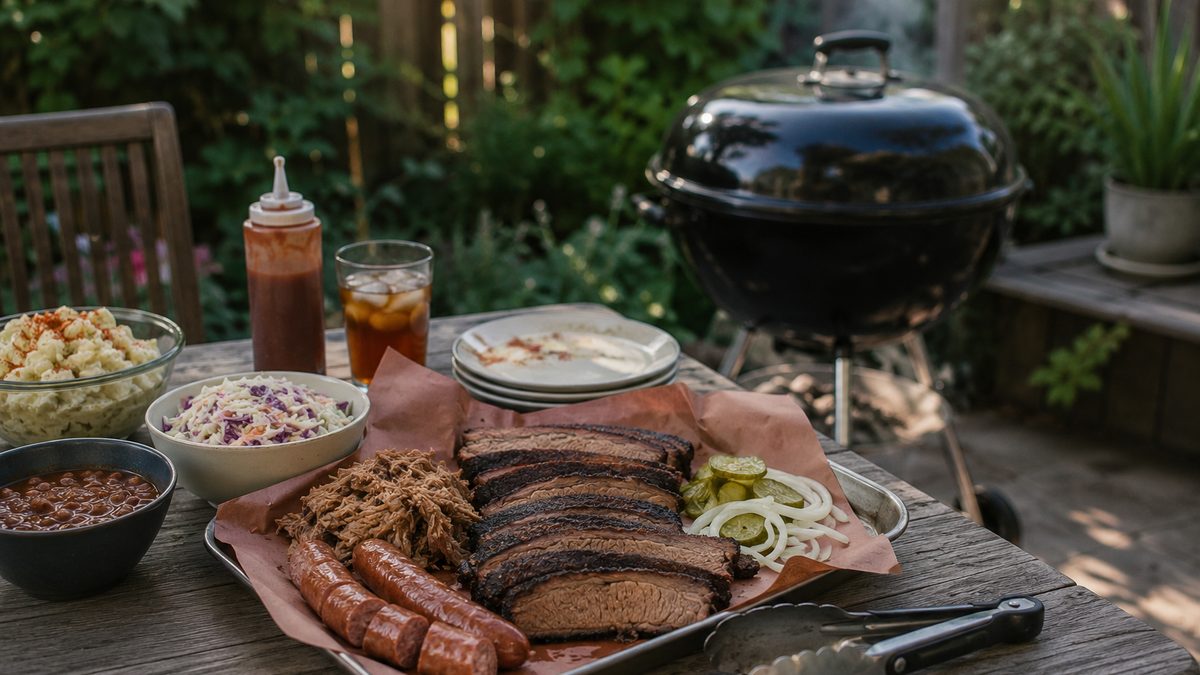
Higher beef costs are putting pressure on barbecue restaurants and changing what some cooks put on the summer plate. Editorial illustration by TheDailyGlobe.
Key Facts
- USDA reported 86.2 million cattle and calves on U.S. farms as of Jan. 1, 2026.
- USDA reported 27.6 million beef cows as of Jan. 1, 2026, down 1 percent from the previous year.
- USDA Economic Research Service recently lowered its 2026 beef production forecast.
- Federal data points to continued tight cattle supplies compared with previous years.
- Recent food reporting has documented pressure on barbecue restaurants as beef costs remain elevated.
For many Americans, barbecue is more than a meal. It is a weekend gathering, a family tradition, a local restaurant stop, or a centerpiece of summer celebrations. But in many places, the cost of putting brisket on the table has become harder to ignore.
Whether someone is ordering smoked beef from a neighborhood barbecue restaurant or planning a backyard cookout, higher beef prices are influencing choices. Some restaurants are adjusting menus, some customers are ordering differently, and some home cooks are looking more closely at alternatives such as pork, chicken, or sausage.
Why Beef Costs Matter to Barbecue
Barbecue occupies a unique place in American food culture because beef, especially brisket, is often one of the most celebrated menu items. In many regions, customers expect brisket to be available, and pitmasters often view it as a signature product.
When beef becomes more expensive, the effects can spread throughout the barbecue business. Restaurants must decide whether to absorb higher costs, raise menu prices, reduce portion sizes, or encourage customers toward other meats.
Home cooks face similar choices. A family planning a weekend gathering may find that the price of a brisket feels very different from what they remember a few years ago. That does not mean people stop cooking barbecue, but it can change what ends up on the grill or smoker.
What the Cattle Numbers Show
The supply side of the story begins with the cattle herd itself. According to USDA data, there were 86.2 million cattle and calves on U.S. farms as of Jan. 1, 2026. The agency also reported 27.6 million beef cows, a decline of 1 percent from the previous year.
Those figures do not automatically translate into specific grocery-store prices, but they help explain why beef remains relatively expensive. Fewer cattle generally means less beef production available for processors, restaurants, and consumers.
The USDA Economic Research Service reinforced that picture in its recent market outlook by lowering its forecast for 2026 beef production. Together, the inventory data and production outlook suggest that supply pressures have not fully eased.
Restaurants Are Adapting
Recent food reporting has documented how some barbecue operators are responding. Restaurant owners and pitmasters have described difficult decisions around pricing, portions, and menu balance as beef costs remain elevated.
Not every restaurant is reacting the same way. Some continue emphasizing brisket despite tighter margins. Others place greater attention on meats that may be less affected by current cattle-market conditions. Sausage, pork, and chicken have long been part of barbecue traditions in many regions, making them natural options when beef becomes more expensive.
What remains unclear is how widespread these adjustments will become nationally. Available reporting provides examples from restaurants, but there is no comprehensive national count showing how many barbecue businesses have altered menus or pricing because of current beef costs.
What Families May Notice at Cookouts
The impact is not limited to restaurants. Families planning summer gatherings often make practical decisions based on grocery bills. When beef prices rise, shoppers may purchase smaller cuts, cook smaller portions, or choose different proteins altogether.
That shift does not necessarily mean barbecue traditions disappear. In fact, many regional barbecue cultures have always included a mix of meats. Pork shoulders, ribs, smoked chicken, and sausage remain staples in many parts of the country.
For some households, adapting may simply mean reserving brisket for special occasions while relying on other barbecue favorites for more routine gatherings.
What Remains Uncertain
Several important questions remain unanswered. It is not yet clear how long current supply pressures will persist or when beef production may begin growing more substantially. Market conditions can change, and cattle production decisions often play out over long time horizons.
It is also unclear how consumers will respond if elevated prices continue. Some diners may continue paying more for brisket-centered meals. Others may increasingly choose alternative menu items or visit barbecue restaurants less often.
Predictions about future price relief should be viewed cautiously. While market outlooks provide useful guidance, future cattle inventories, weather conditions, production costs, and consumer demand can all influence outcomes.
A Tradition That Continues to Adapt
Barbecue has changed many times throughout its history. Different regions developed different techniques, meats, sauces, and traditions based on local conditions and available ingredients.
Today's pressure from higher beef costs appears to be another example of that adaptation process rather than evidence that barbecue is disappearing. The tradition remains deeply rooted in restaurants, communities, and family gatherings across the country.
For now, the trend worth watching is not whether barbecue survives, but how menus, cookouts, and customer expectations evolve while beef supplies remain tight. The next USDA cattle reports and market outlook updates may offer a clearer picture of whether that pressure begins to ease or remains part of the barbecue landscape heading into future seasons.
Reporting note: Reporting draws on USDA cattle inventory data, USDA Economic Research Service market outlook materials, recent food reporting, and reviewed background research. This article was produced with AI-assisted research and reviewed by an editor before publication.