The iPhone Became an American Object. Now Americans Are Trying to Live With It.
Nearly two decades after the iPhone arrived, smartphones have become part of daily American life. The harder question now is how to keep the benefits without losing control of attention.
Save Article
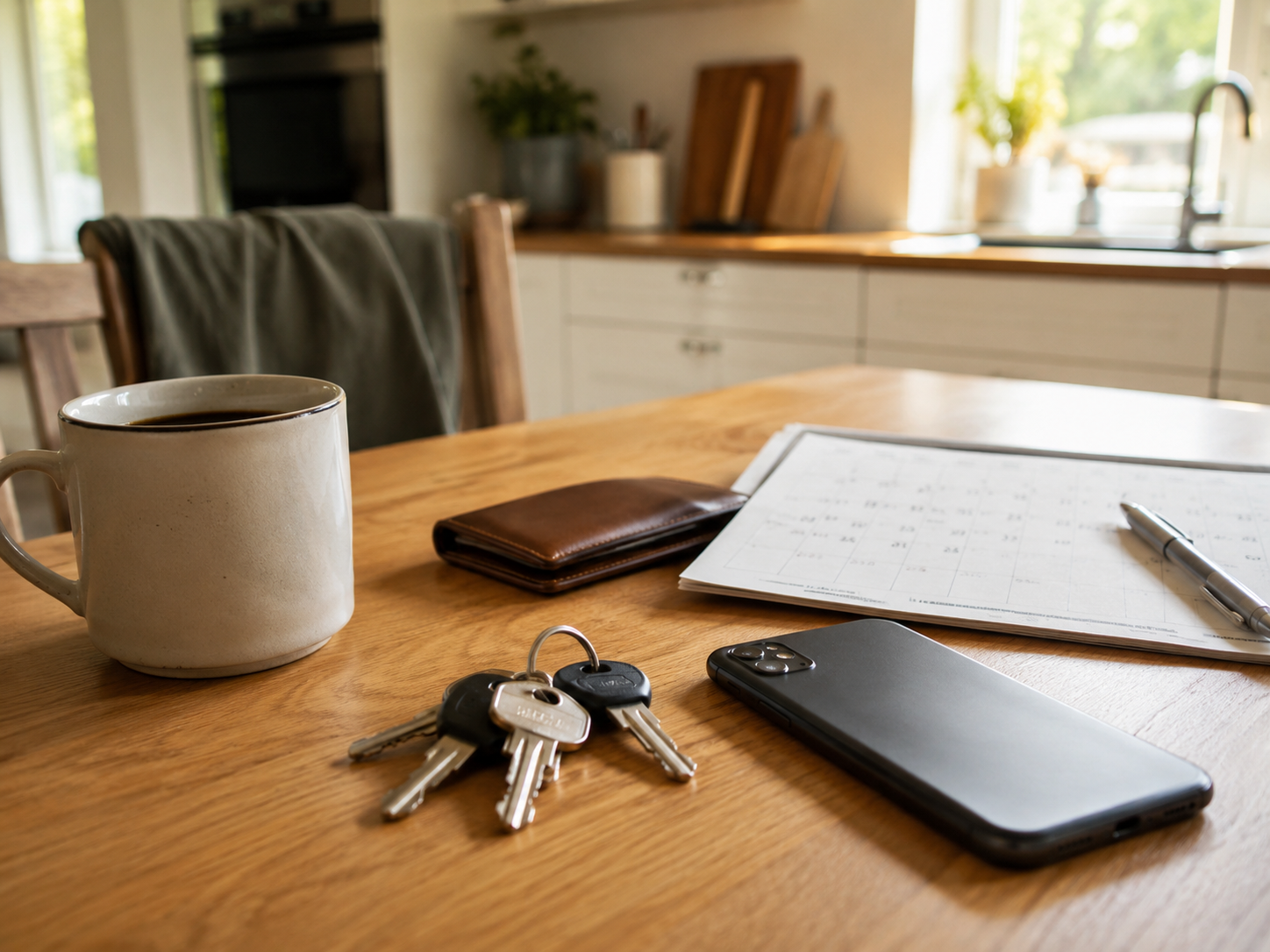
Nearly two decades after the iPhone arrived, smartphones have become part of daily American life. The harder question now is how to keep the benefits without losing control of attention. Editorial illustration by TheDailyGlobe.
Key Facts
- The iPhone was introduced in 2007.
- The Associated Press included the iPhone in an American Objects series connected to the 250th anniversary of the United States.
- AP describes a paradox: Americans rely on smartphones while also worrying about attention, addiction, and toxic habits.
- AP raises the question of how society can preserve smartphone benefits while limiting harms.
- Pew's technology and social media research provides broader context for digital habits and public trust.
The iPhone was introduced in 2007. Less than two decades later, it is hard to name another everyday object that has moved so quickly from new gadget to ordinary part of American life.
The Associated Press recently framed the iPhone as part of its American Objects series tied to the 250th anniversary of the United States. That framing works because the smartphone is no longer just a product people buy. For many Americans, it has become the thing that holds the day together.
It is the alarm clock, camera, map, calendar, wallet, notebook, weather report, grocery list, family photo album, work inbox, music player, news feed, and boredom machine. That is why the conversation about smartphones feels personal. People are not just debating technology. They are debating a habit they may touch before getting out of bed.
A Device That Became a Routine
The reason the smartphone became so central is not mysterious. It solved real problems. It helped people find directions without printing a map. It made it easier to reach family, take pictures, check work messages, compare prices, pay bills, and look up answers in the middle of ordinary life.
For parents, it can be the way to track schedules, school messages, photos, and emergency calls. For workers, it can be a portable office. For travelers, it can replace a stack of paper confirmations. For people who live far from relatives, it can make distance feel smaller.
That convenience is real. Any honest conversation about phone dependence has to start there. People did not keep smartphones close because they were tricked into liking useless objects. They kept them close because the devices became useful in dozens of small ways.
The Hard Part Is Attention
The harder part is what happens after a device becomes useful enough to be always nearby. A phone that begins as a tool can easily become a reflex. A person checks the weather and ends up scrolling. They answer one message and drift into a feed. They pick it up for a calendar reminder and put it down 15 minutes later without quite remembering why.
That is the paradox AP points to: Americans rely on smartphones while also worrying about attention, addiction, and unhealthy habits. Many people like what their phones help them do. Many also suspect the device is taking more of their time and focus than they meant to give.
This is not only a problem for teenagers or people who spend all day online. It can show up at dinner tables, in checkout lines, during work breaks, while watching television, or in the quiet minutes before sleep. The phone is often there, ready to fill any empty space.
Not Good or Bad, But Powerful
The most useful way to think about the smartphone may not be as good or bad. It is better understood as powerful. A powerful tool can help people, distract them, connect them, isolate them, save time, waste time, reduce stress, and create stress, sometimes in the same day.
That is why simple anti-phone arguments often miss the point. Most people are not going to throw away a device that helps them navigate work, family, money, travel, and daily communication. The more realistic question is whether Americans can create better boundaries around a device that has become almost too useful to ignore.
The available source material does not show one single solution. It also does not prove that every person's phone habits are harmful. What it does show is a public tension that many people recognize: the same device that makes life easier can also make it harder to be fully present.
Trying to Regain Control
For regular people, the question is practical. Can the phone stay a tool instead of becoming the default activity? Can families keep the group chat and lose some of the dinner-table scrolling? Can workers stay reachable without feeling permanently on call? Can people use maps, payments, photos, and messages without handing every spare minute to a screen?
Those questions are not about rejecting technology. They are about living with it more deliberately. The iPhone became an American object because it fit itself into ordinary life. Now the challenge is deciding where it belongs, where it does not, and how much attention it should be allowed to take.
That may be the most familiar part of the story. The smartphone changed American life by becoming useful. The next chapter may depend on whether Americans can keep the usefulness without letting the device quietly run the day.
Reporting note: Reporting draws on the Associated Press American Objects series and broader Pew research context on technology, social media, digital habits, and public trust. This article was produced with AI-assisted research and reviewed by an editor before publication.