Firefly Watching Is Becoming Summer's Oldest Outdoor Tradition Again
As families look for simple ways to spend time outdoors, firefly watching is reemerging as a low-cost summer ritual that asks for little more than patience, darkness, and a warm evening.
Save Article
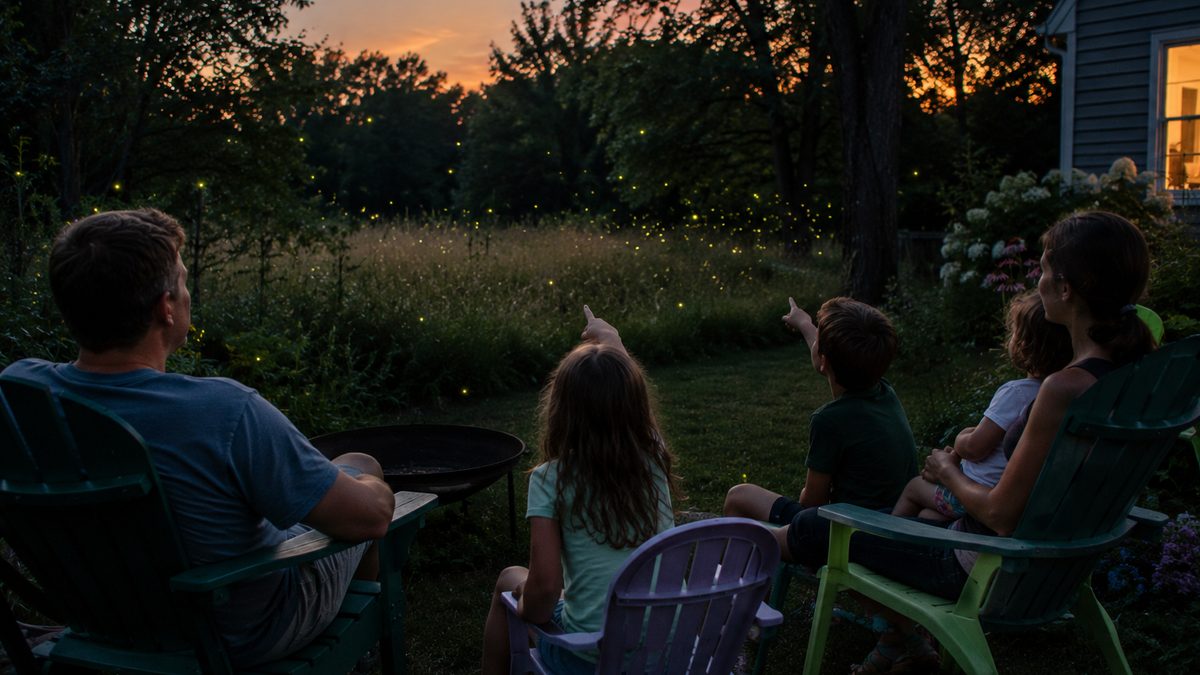
Firefly watching remains one of the simplest and least expensive ways to enjoy summer evenings outdoors. Editorial illustration by TheDailyGlobe.
Key Facts
- Fireflies are active during warm summer evenings across many parts of the United States.
- Great Smoky Mountains National Park is known for its synchronous firefly displays.
- DarkSky locations help preserve darker nighttime environments that can improve wildlife viewing.
- Many firefly viewing opportunities exist in local parks, neighborhoods, and rural areas.
- Conservation groups encourage visitors to avoid disturbing habitats and to respect public and private property.
Not every summer tradition requires tickets, reservations, or a packed schedule. Sometimes the evening's entertainment begins when the sun goes down and tiny lights start appearing above the grass.
Across much of the United States, fireflies remain one of the most recognizable signs of summer. For many people, they are tied to childhood memories of backyards, neighborhood walks, camping trips, and long evenings spent outdoors.
Today, firefly watching is finding renewed appreciation among families and nature enthusiasts looking for simple experiences that cost little and encourage people to slow down for a while.
A Summer Activity That Requires Almost Nothing
Part of the appeal is how little preparation is involved. Unlike many outdoor activities, firefly watching does not require expensive equipment, special training, or travel plans.
A quiet backyard, a neighborhood park, a walking trail, or a nearby green space may be enough. The basic ingredients are simple: warm weather, low light, and a willingness to spend time outside without rushing toward the next thing on the calendar.
That simplicity feels increasingly valuable in a culture where many recreational activities come with costs, schedules, and digital distractions. Firefly watching offers something different. The goal is not achievement. It is attention.
Why Fireflies Still Capture Attention
Even people who see fireflies every year often stop to watch them. Their flashing patterns create a natural spectacle that feels familiar yet difficult to ignore.
Some of the most famous displays occur in places such as Great Smoky Mountains National Park, where synchronous fireflies can coordinate their flashing in ways that attract visitors from around the country. But most firefly encounters happen much closer to home.
For many families, the experience is less about seeking a rare natural event and more about reconnecting with an ordinary part of summer that can easily be overlooked.
The Value of Darkness
Firefly viewing also highlights something many communities rarely think about: darkness itself. Artificial lighting can make it harder to see fireflies and may affect the habitats where they live.
Organizations such as DarkSky International promote efforts to preserve darker night skies through responsible lighting practices. While those efforts are often associated with astronomy, they can also benefit people hoping to experience nighttime wildlife.
In practical terms, that can mean turning off unnecessary outdoor lights, avoiding bright flashlights when possible, and allowing eyes time to adjust naturally to the dark.
Watching Without Disturbing the Habitat
The growing interest in fireflies comes with a responsibility to protect them. Conservation groups and park officials regularly remind visitors that wildlife viewing should be respectful and low-impact.
That includes staying on designated trails where required, respecting private property, avoiding damage to vegetation, and limiting activities that could disrupt habitats. Visitors should also follow local park guidance regarding flashlights, photography, and access rules.
Firefly populations can be affected by habitat loss, changes in land use, and excessive artificial lighting. While available information does not suggest every region faces the same challenges, protecting suitable habitats helps support future generations of these insects.
What Makes the Tradition Worth Keeping
The appeal of firefly watching is not really about insects alone. It is about creating a reason to step outside and pay attention to a summer evening.
Parents often introduce children to fireflies the same way they were introduced years earlier. Friends gather on porches. Campers sit quietly near tree lines. Neighbors pause during evening walks when the first flashes begin appearing above the grass.
Few activities combine nature, nostalgia, and affordability quite so easily.
What to Watch for This Summer
Firefly activity varies depending on weather, location, and seasonal conditions. Local parks, nature centers, and conservation groups sometimes offer information about viewing opportunities during peak summer weeks.
Whether the setting is a national park or a backyard fence line, the experience remains largely the same. Find a dark place, give your eyes time to adjust, and wait.
In a season often filled with noise, travel plans, and packed calendars, the quiet appearance of fireflies remains a reminder that some of summer's most memorable moments cost nothing at all.
Reporting note: Reporting draws on National Park Service materials, DarkSky International resources, nature tourism reporting, and reviewed background materials. This article was produced with AI-assisted research and reviewed by an editor before publication.