Digital 2026 Report Shows AI and Social Media Becoming Everyday Habits
Digital 2026 data shows online life becoming an everyday mix of search, feeds, messaging, video and AI tools, not a separate corner of modern life.
Save Article
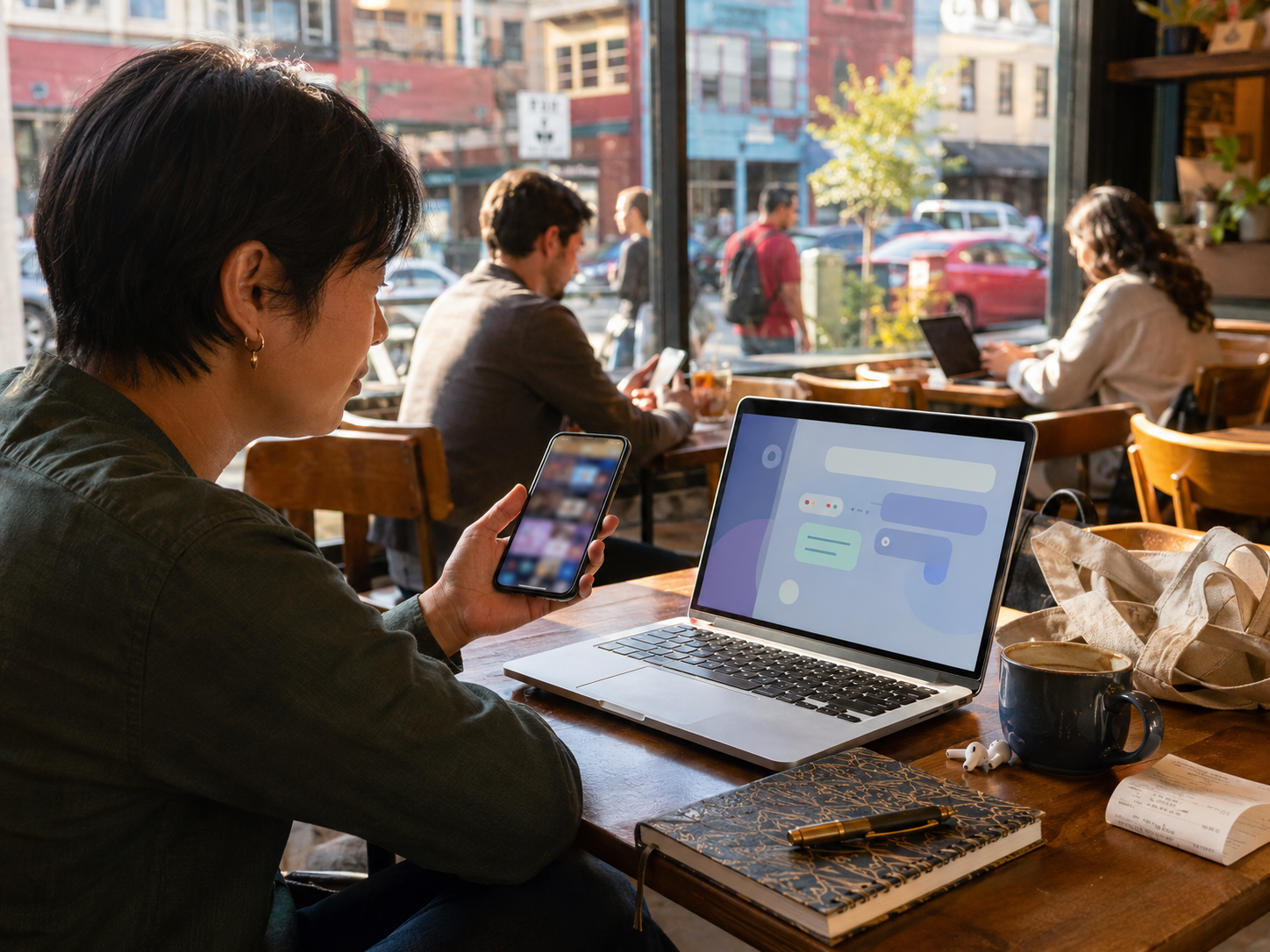
Digital 2026 data shows online life becoming an everyday mix of search, feeds, messaging, video and AI tools, not a separate corner of modern life. Editorial illustration by TheDailyGlobe.
Key Facts
- DataReportal’s Digital 2026 Global Overview Report covers internet, social media, AI, ecommerce and online entertainment trends.
- We Are Social’s Digital 2026 materials report that more than 6 billion people are online.
- We Are Social’s Digital 2026 materials report that more than 1 billion people use AI monthly.
- The Digital 2026 mid-year update includes April 2026 data on global digital behaviors.
- AI usage definitions can vary by source and platform, so the figures should be read carefully.
Digital life is becoming less like a separate activity and more like the background setting for ordinary routines.
DataReportal’s Digital 2026 Global Overview Report includes internet, social media, AI, ecommerce and online entertainment trends. Related Digital 2026 materials from We Are Social report that more than 6 billion people are online and more than 1 billion people use AI monthly. The mid-year update includes April 2026 data on global digital behaviors.
Those numbers are global, not U.S.-only. But the larger point is useful for readers anywhere: AI and social media are no longer niche technology stories. They are daily-life stories, shaping how people search, work, shop, watch, message, learn and fill small gaps of time.
Online Life Is Becoming a Daily Layer
The phrase “using the internet” can sound too small for what people actually do now. Many people wake up to messages, check weather or traffic, read headlines, search for answers, watch short videos, use maps, manage money, order food, listen to podcasts, shop, work in cloud apps and end the day scrolling or streaming.
That is not one behavior. It is a stack of habits. The internet is no longer just a place someone visits from a desktop computer. It is built into phones, cars, TVs, schools, workplaces, stores and homes.
The Digital 2026 materials help explain that shift because they group together behaviors that people often think about separately: social media, AI, entertainment, shopping and online access. In daily life, those lines are already blurred. A person might discover a product on a social platform, search reviews, ask an AI tool for comparison help, buy it online and then watch videos about how to use it.
AI Is Joining the Habit Loop
AI is now moving into that same daily loop. The reported figure of more than 1 billion monthly AI users points to a tool category that has moved far beyond early adopters. But the number should still be read with care because AI usage can be defined differently by different platforms and reports.
Some people use AI directly through chat tools. Others use it when a search engine summarizes results, a phone suggests edits, an app helps write a message or a workplace tool drafts a document. That makes AI harder to count cleanly and harder for users to notice.
The cultural change is not only that people are using AI. It is that AI is being inserted into ordinary actions. Search, writing, planning, shopping, customer service, translation, image editing and work tasks can all involve AI without feeling like a separate technology moment.
Social Media Is Still the Attention Engine
Social media remains central because it is where attention gathers. Feeds shape what people see, what they talk about, what they buy, what they worry about and what feels important on a given day.
That does not mean social platforms control every decision. People still choose, ignore, share, search and compare. But the daily rhythm of online life often runs through feeds, group chats, creators, short videos and platform recommendations.
For families, that can affect household routines. For workers, it can blur the line between communication and distraction. For young people, it can shape entertainment, identity and social pressure. For businesses, it can determine whether a product, artist, restaurant or idea gets noticed at all.
What the Data Does Not Prove
The Digital 2026 material is useful, but it has limits. Global figures should not be treated as U.S.-specific unless a separate U.S. report is used. Internet access, social media habits and AI adoption vary by country, income, age, language, device access and local rules.
AI usage numbers also need caution. One source may count direct chatbot users. Another may include AI features built into larger products. A monthly user may rely on AI every day or may have tried it only a few times. Those differences matter when trying to understand how deeply the tools have entered daily life.
The report also does not tell readers whether these habits are good or bad in a simple way. Digital tools can save time, connect families, support learning and open access to services. They can also pull attention, spread poor information, increase pressure and make it harder to separate work, entertainment and rest.
Why This Matters for Everyday Culture
The useful takeaway is that digital behavior is no longer just a technology beat. It is culture. It affects how people spend evenings, how families coordinate schedules, how workers communicate, how students study, how shoppers compare prices and how communities react to news.
That is why AI and social media should be understood together. Social platforms decide what gets attention. AI tools increasingly help generate, summarize, search and respond to that attention. Together, they are changing the texture of ordinary online life.
For readers, the point is not to panic and not to celebrate every new tool. It is to see the shift clearly. Online life is becoming an always-on mix of search, feeds, messaging, video, shopping, work tools and AI assistance. The question now is less whether people use digital tools and more how much of daily life those tools quietly organize.
Reporting note: Reporting draws on DataReportal digital behavior research, We Are Social Digital 2026 materials, mid-year global digital trend reporting, and reviewed background materials on online culture. This article was produced with AI-assisted research and reviewed by an editor before publication.