Cannes’ Final Days Show How Film Festivals Became Bigger Than Film
The closing stretch of Cannes shows how major film festivals now mix cinema, philanthropy, technology, luxury branding and global attention.
Save Article
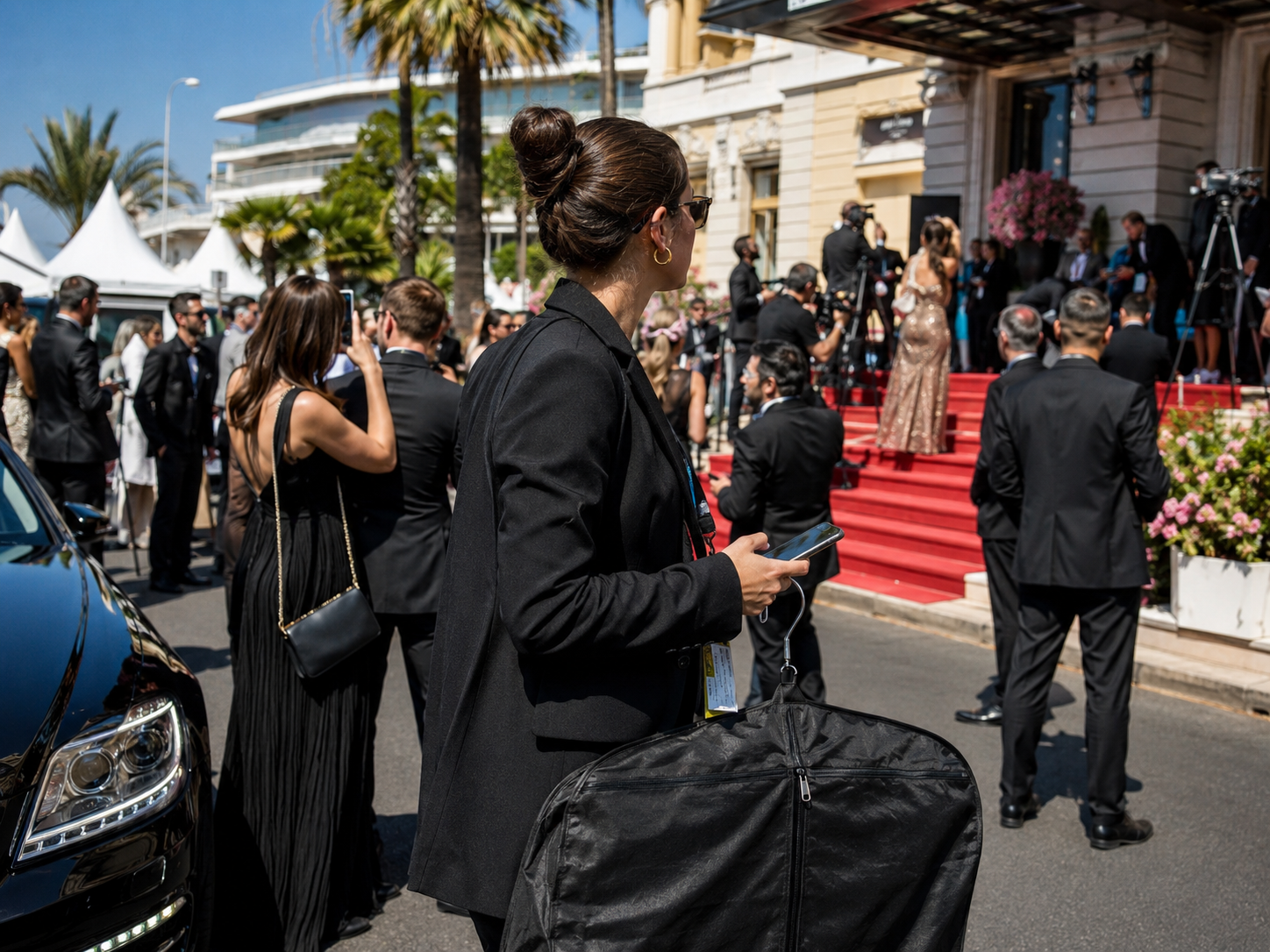
The closing stretch of Cannes shows how major film festivals now mix cinema, philanthropy, technology, luxury branding and global attention. Editorial illustration by TheDailyGlobe.
Key Facts
- The 79th Cannes Film Festival runs from May 12 through May 23, 2026.
- Cannes’ official press page listed May 21 festival developments, including La Cinef prizes and upcoming Un Certain Regard activity.
- Associated Press reported on the amfAR Gala during the final days of Cannes and noted its long-running AIDS research fundraising role.
- Vogue reported that the 2026 Cannes atmosphere included luxury branding, hospitality and tech-company visibility alongside cinema.
- Final top Cannes prizes had not yet been announced at the time of the scout material.
The final days of the Cannes Film Festival are still about movies. But they are no longer only about movies.
As the 79th Cannes Film Festival moved toward its May 23 close, the official festival press page continued listing competition and program developments, including La Cinef prizes and upcoming Un Certain Regard activity. At the same time, Associated Press reported on the amfAR Gala during Cannes, a long-running event tied to AIDS research fundraising. Vogue described a 2026 Cannes atmosphere where cinema shared space with luxury branding, hospitality and technology-company visibility.
For readers who do not follow film festivals closely, that mix is the point. Cannes is a movie event, but it is also a global attention machine. Its closing stretch shows how major cultural institutions now operate at the intersection of art, money, media, philanthropy, brands and technology.
Why Cannes Still Matters
Cannes remains one of the world’s most visible film gatherings because it can help shape attention around directors, actors, distributors, studios and international cinema. A film’s reception there can influence how it is discussed, sold and remembered. The festival can turn a movie into a cultural event before many audiences have a chance to see it.
That influence is not limited to award winners. Premieres, side programs, critical reaction, industry meetings and press attention all contribute to the festival’s power. Cannes helps decide which films are treated as serious, glamorous, controversial, promising or important enough to travel far beyond the festival itself.
But the festival’s modern role is broader than the screening schedule. The final days show how cultural attention now gathers around many overlapping stages. The awards matter. The premieres matter. So do the events, sponsors, philanthropic gatherings, hospitality spaces and technology platforms trying to stand near the spotlight.
The Festival Around the Festival
AP’s reporting on the amfAR Gala is a reminder that Cannes includes major events that sit beside the official film program while still drawing attention from the same global crowd. The gala’s AIDS research fundraising role gives it a purpose beyond celebrity presence or party coverage.
That side of Cannes matters because major cultural gatherings often become platforms for causes, donors and public visibility. A film festival can bring together people with money, media reach and international recognition. Charitable events use that concentration of attention to raise funds and keep issues in public view.
This is not separate from the modern festival economy. It is part of it. Cultural events increasingly serve multiple roles at once: artistic showcase, business marketplace, media stage, fundraising venue and brand environment. Cannes is one of the clearest examples because the global spotlight is so intense.
Technology and Branding Move Closer to Culture
Vogue’s Cannes coverage described a festival atmosphere where luxury branding, hospitality and tech-company visibility appeared alongside cinema. That does not mean technology companies or luxury brands control the festival’s artistic choices. The source material does not support that claim.
What it does show is that major cultural events have become important spaces for companies that want to associate themselves with creativity, taste, influence and global conversation. Film festivals offer a rare combination: artists, executives, journalists, celebrities, investors, donors and cultural tastemakers in one place.
For technology companies, that visibility can be especially useful as entertainment, streaming, artificial intelligence, distribution and creative tools continue to overlap. For luxury brands, Cannes offers images of glamour and exclusivity. For the film world, these partnerships and presences can bring money, exposure and complications.
The long-term effect of technology partnerships on film festivals remains unclear. It is fair to say tech visibility is part of the current atmosphere. It would be too much to say, based on the source material here, that technology has replaced cinema as the festival’s center.
What Readers Should Understand
The useful way to read Cannes is not as a red-carpet spectacle. It is as a window into how culture now moves through institutions. A festival can honor student filmmakers, host major premieres, draw luxury brands, support philanthropic fundraising and attract tech companies, all within the same week.
That blend says something about how attention works. Audiences may eventually see only the finished film, the award announcement or the viral image. Behind that, festivals help create the environment where films are promoted, careers are positioned, deals are discussed, causes are amplified and brands attach themselves to cultural moments.
There are still limits to what can be concluded before the festival closes. The final top Cannes prizes had not yet been announced at the time of the scout material. The long-term meaning of this year’s tech and luxury visibility will also take time to judge.
For now, Cannes’ final days show a cultural institution doing more than presenting films. It is gathering attention and distributing it across art, money, charity, technology and status. The movies remain the reason Cannes exists. The larger machine around them shows why a festival in France still matters far beyond the theater doors.
Reporting note: Reporting draws on Festival de Cannes press materials, Associated Press reporting, Vogue cultural reporting, and reviewed background materials on film festivals and cultural institutions. This article was produced with AI-assisted research and reviewed by an editor before publication.