Backyards Are Getting Easier as Homeowners Choose Lower-Maintenance Outdoor Spaces
Recent outdoor-living coverage points toward easier yards, patios and porches built around shade, comfort, plants and realistic summer routines.
Save Article
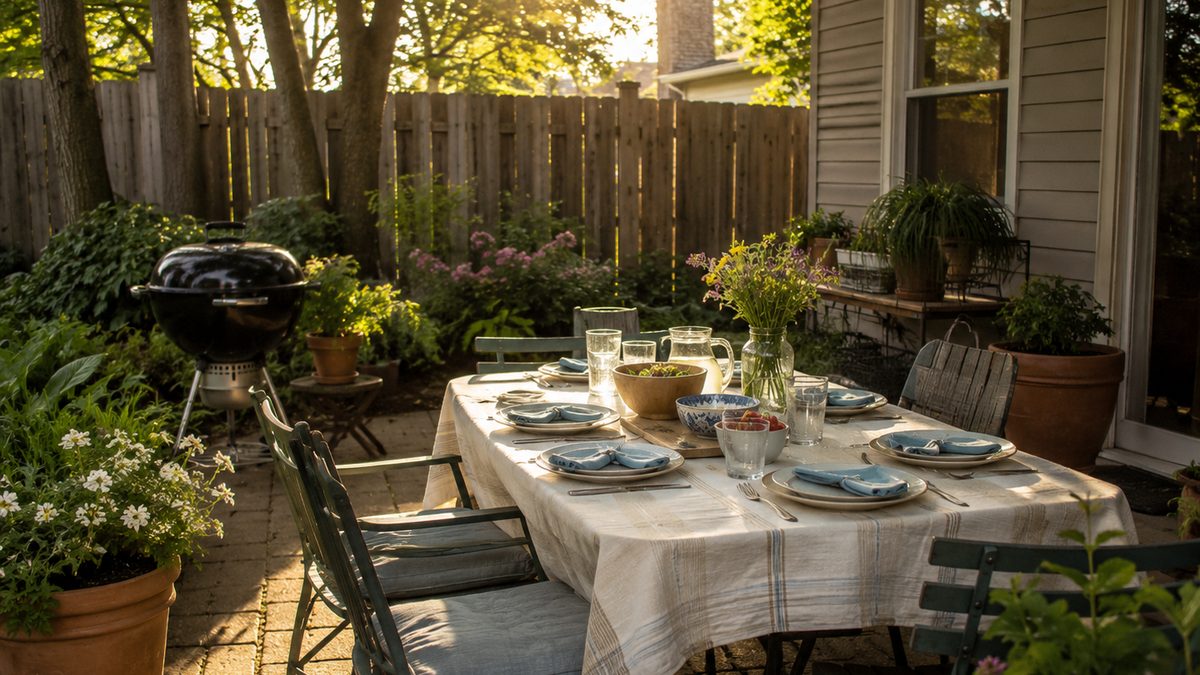
Many households want outdoor spaces that are easier to use and maintain, not just more expensive to decorate. Editorial illustration by TheDailyGlobe.
By June, a backyard can start to feel like either a gift or another chore.
The nice version is easy to picture: a shaded chair, something on the grill, kids or friends nearby, and a place to sit outside without spending money every time the weather is good. The harder version is weeds, heat, watering, bugs, broken furniture, and a yard that looks better in theory than it feels in real life.
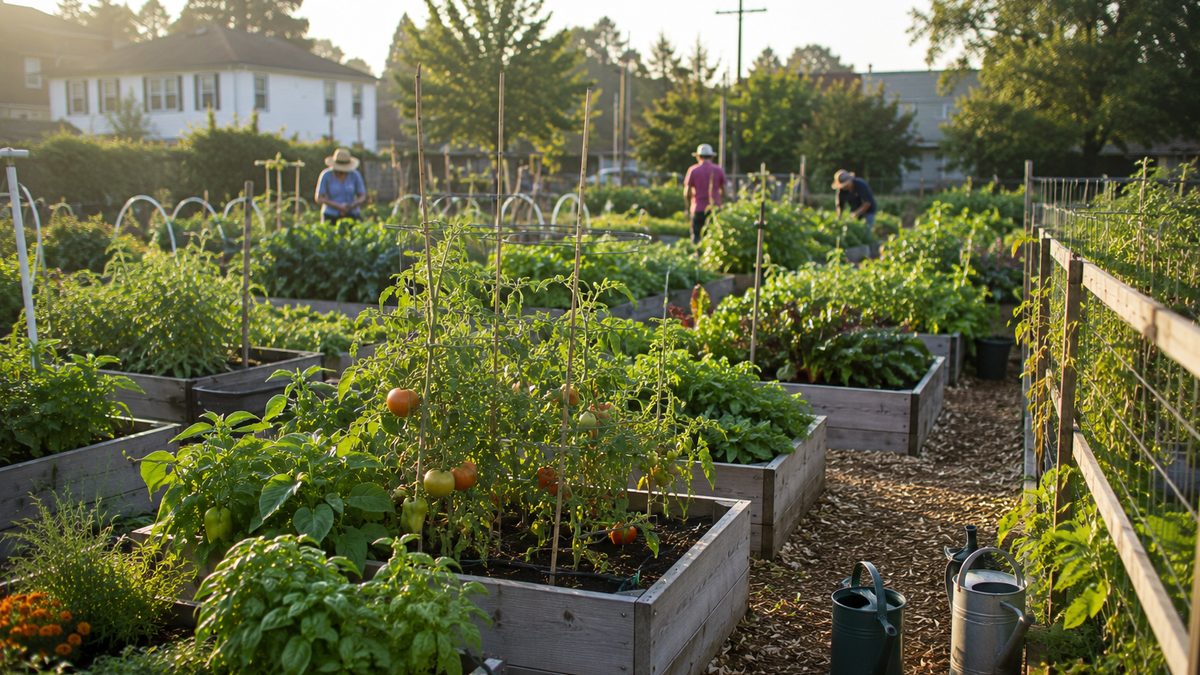
Recent outdoor-living coverage is leaning into that tension. Instead of treating the backyard as a luxury design project, more consumer and industry trend stories are emphasizing lower-maintenance gardens, shade, native plants, pollinator-friendly spaces, patios and gathering areas that are easier to use.
The Trend Is About Ease
That does not mean every household is redesigning its yard. Trend coverage can skew toward homeowners, design audiences and brands trying to sell products. But the practical idea underneath is useful: people want outdoor spaces that do not require constant work before anyone can enjoy them.
For some families, that may mean replacing high-upkeep garden beds with simpler planting. For others, it may mean adding shade, using containers on a porch, setting up a small seating area, or choosing plants better suited to the local climate.
Small Spaces Count Too
The useful part of the trend is not the expensive outdoor kitchen. It is the idea that a yard, porch, balcony or small patio can work harder with less fuss. Renters and people with limited budgets may not be able to change landscaping, but they can still think about shade, seating, pots, herbs, lighting, fans, bug control and a small table that makes outdoor time easier.
Outdoor cooking and patio spaces remain common parts of summer home-life coverage, but the more realistic goal is not perfection. It is a place where people can eat, talk, cool off, watch kids play or sit for ten quiet minutes without feeling like they are maintaining a magazine set.
What Remains Unclear
It is still unclear how much these trends reflect broad household behavior versus design-industry observation. It is also unclear which ideas are realistic for renters, apartment dwellers and lower-budget households.
Climate and region matter too. Heat, water restrictions, drought, storms, pests and local growing conditions can change what makes sense. A low-maintenance yard in one part of the country may not work the same way somewhere else.
For readers, the simplest takeaway is to ignore the luxury framing and look for the useful pieces: more shade, less upkeep, plants that fit the place, seating people actually use, and outdoor spaces that make summer at home feel easier instead of harder.
Reporting note: Reporting draws on recent consumer outdoor-living coverage, industry trend materials, gardening coverage, and reviewed background materials. This article was produced with AI-assisted research and reviewed by an editor before publication.