Americans Still Value Religion’s Role but Draw Lines Around Politics
Recent Pew findings show a public that often sees religion as a positive force, while still resisting formal church involvement in campaigns.
Save Article
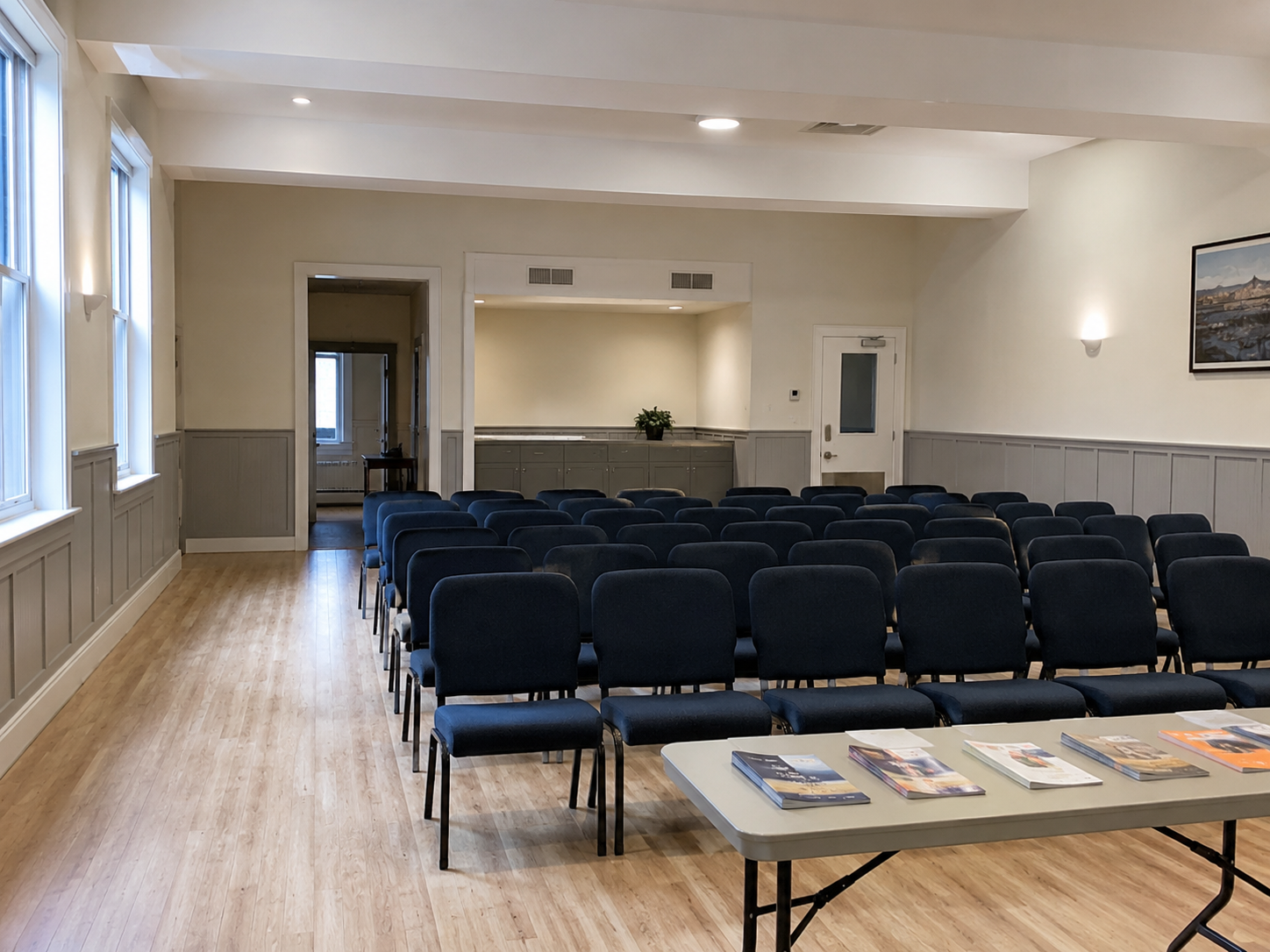
Recent polling shows Americans continue to debate where religion belongs in public life. Editorial illustration by TheDailyGlobe.
Key Facts
- Pew Research Center surveyed U.S. adults from April 6 to April 12, 2026.
- Pew reported that many Americans have positive views of religion’s role in American life.
- Pew also reported that most Americans think churches should not endorse political candidates.
- The findings point to a distinction between valuing religion in public life and supporting direct church involvement in campaigns.
- Views may shift as election season develops, and people may interpret religion’s influence in different ways.
Many Americans still see religion as meaningful in public life. That does not mean they want churches acting like campaign offices.
Recent Pew Research Center findings point to a more complicated public mood than the loudest faith-and-politics arguments often suggest. Pew surveyed U.S. adults from April 6 to April 12, 2026, and reported that many Americans have positive views of religion’s role in American life. Pew also reported that most Americans think churches should not endorse political candidates.
The tension matters because religion remains one of the country’s most personal and public forces. It shapes communities, moral language, charity, education, family life and civic identity. But the same public that may respect religion’s influence can still be wary of formal religious involvement in electoral politics.
The Public Draws a Distinction
One reason religion and politics are so hard to discuss is that the words can mean different things to different people. For some, religion’s role in public life means service, moral teaching, community support, worship, charity or a source of meaning. For others, it may suggest political pressure, government favoritism or clergy telling members how to vote.
Pew’s findings are useful because they show that Americans do not always sort neatly into one camp. A person can believe religion has a positive place in society and still oppose churches endorsing candidates. Another person may be religiously unaffiliated and still value the charitable or community role of faith groups.
That distinction is easy to lose in election-year arguments, where faith is often treated as a voting bloc, a campaign tool or a culture-war label. The survey points to something quieter: many people appear to separate religion’s broad social value from direct institutional involvement in campaigns.
What Pew’s Findings Do Not Prove
The survey does not tell us exactly how people will vote, how churches will behave during campaign season or how future disputes over religion and public policy will unfold.
It also does not mean all religious Americans think alike, or that all nonreligious Americans share one view. Faith communities differ by tradition, region, race, age, political experience and local leadership. Religiously unaffiliated Americans also hold a range of views about moral life, public institutions and religious expression.
That variety matters. Treating religious voters as one group, or nonreligious voters as their opposite, flattens the country into categories that do not explain much. The more useful reading is that Americans are still negotiating where faith belongs in public life and where they want firmer boundaries.
Why Churches and Campaigns Are Different
A church, synagogue, mosque, temple or other faith community can play a powerful role in a person’s life. It can help people grieve, organize service, raise children, support neighbors and think through moral questions. Those roles are not the same as endorsing a political candidate.
That is the line Pew’s findings help clarify. Many Americans may welcome religious voices in public conversations about values, poverty, education, family, justice or community life. But when a religious institution moves from moral teaching into candidate endorsement, some people see a different kind of involvement.
For supporters of a more active public role for religion, that boundary can feel too restrictive. For those worried about religion becoming too entangled with politics, it can feel essential. The survey does not resolve that debate, but it shows why the debate cannot be reduced to whether Americans are simply for or against religion in public life.
What Remains Unclear
One open question is how these views will shift as the midterms get closer. Campaign seasons can sharpen views about religion, candidates, courts, education, abortion, immigration, foreign policy and public morality. Voters who express general support for religious influence may react differently when a specific religious leader, party or candidate enters the picture.
Another uncertainty is how people interpret the phrase religion’s influence. Some may hear it as faith-based service and moral concern. Others may hear it as pressure on government or schools. Without that context, broad survey findings should be read carefully.
That caution does not make the data less useful. It makes it more useful. The findings show that Americans are not only arguing about religion. They are arguing about roles, limits and trust.
What to Watch Next
The next signals will come from further polling, faith-community responses and how candidates talk about religion during campaign season. It will also matter whether churches and other faith institutions stay focused on values and community life or move more visibly into candidate politics.
Readers should watch for the difference between religious participation in public debate and formal religious endorsement of political candidates. Those are related, but they are not the same.
That difference may be where many Americans are trying to land: religion can matter deeply in public life, but political power should not turn faith communities into campaign machinery. The country’s views are more complicated than the shouting suggests, and that complication is worth understanding.
Reporting note: Reporting draws on survey research, religion and public-life research context, reputable reporting, and reviewed background materials. This article was produced with AI-assisted research and reviewed by an editor before publication.