America at 250 Data Shows How Family, Age, and Diversity Have Changed
A new Pew essay tied to America’s 250th anniversary offers a calm look at how the country changed over the past 50 years, especially in age and diversity.
Save Article
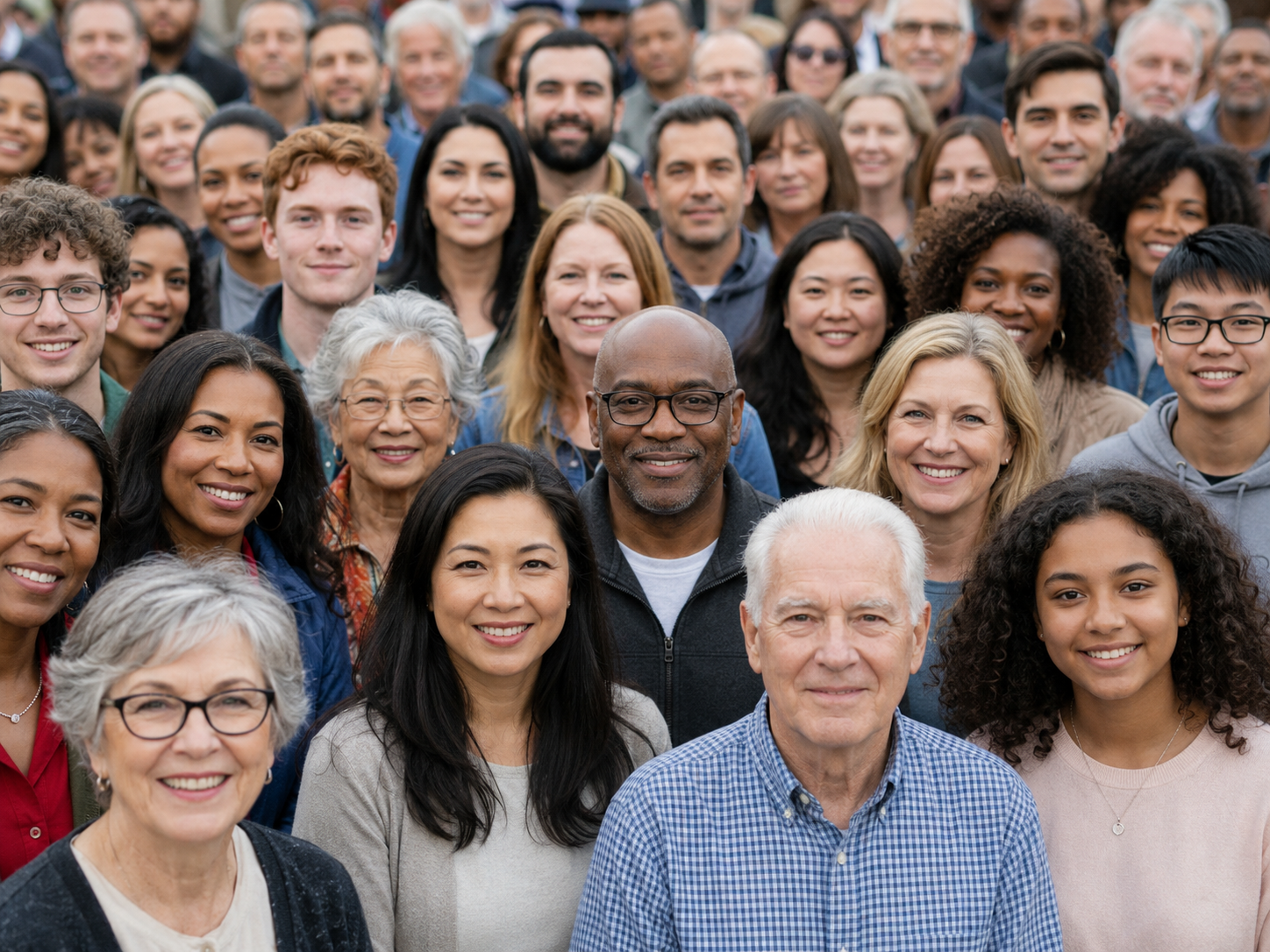
A new Pew essay tied to America’s 250th anniversary offers a calm look at how the country changed over the past 50 years, especially in age and diversity. Editorial illustration by TheDailyGlobe.
Key Facts
- Pew published “The United States at 250: How the Country Has Changed in the Past 50 Years” in March 2026.
- Pew says the U.S. population has aged significantly over the past five decades.
- Pew says the percentage of people 65 and older has nearly doubled.
- Pew says the country has become more racially and ethnically diverse.
- The essay is useful as a calm, data-based look at social change during the 250th anniversary year.
Big anniversary years often invite easy stories. Some lean toward nostalgia. Others turn into political arguments about what the country has become. Pew Research Center’s new America at 250 essay offers something steadier: data.
Pew published “The United States at 250: How the Country Has Changed in the Past 50 Years” in March 2026. The essay gives readers a broad social snapshot rather than a slogan. Its value is not in telling people how to feel about the anniversary. It is in showing how American life has changed in ways many people can already see around them.
The clearest changes in the handoff are about age and diversity. Pew says the U.S. population has aged significantly over the past five decades. It also says the share of Americans age 65 and older has nearly doubled, and that the country has become more racially and ethnically diverse.
What the data shows about age
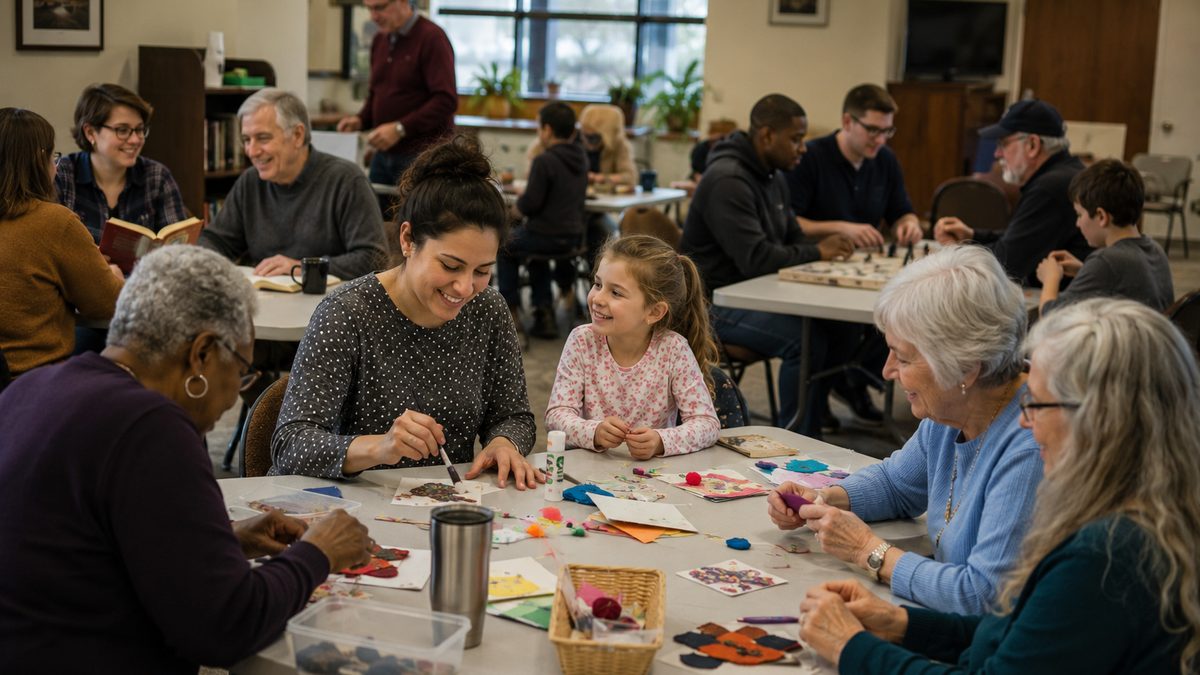
The aging of the country is one of the most important shifts because it touches everyday life in practical ways. A larger older population can affect health care demand, retirement patterns, caregiving, housing, and the way communities think about schools, transportation, and public services. Readers do not need to follow demographic research closely to feel some of those changes.
Pew’s finding that the share of people 65 and older has nearly doubled gives a clean way to understand that shift. The country is not just larger than it was 50 years ago. It is older. That changes the shape of family life and community life, even when the reasons vary from place to place.
How diversity changed the social picture
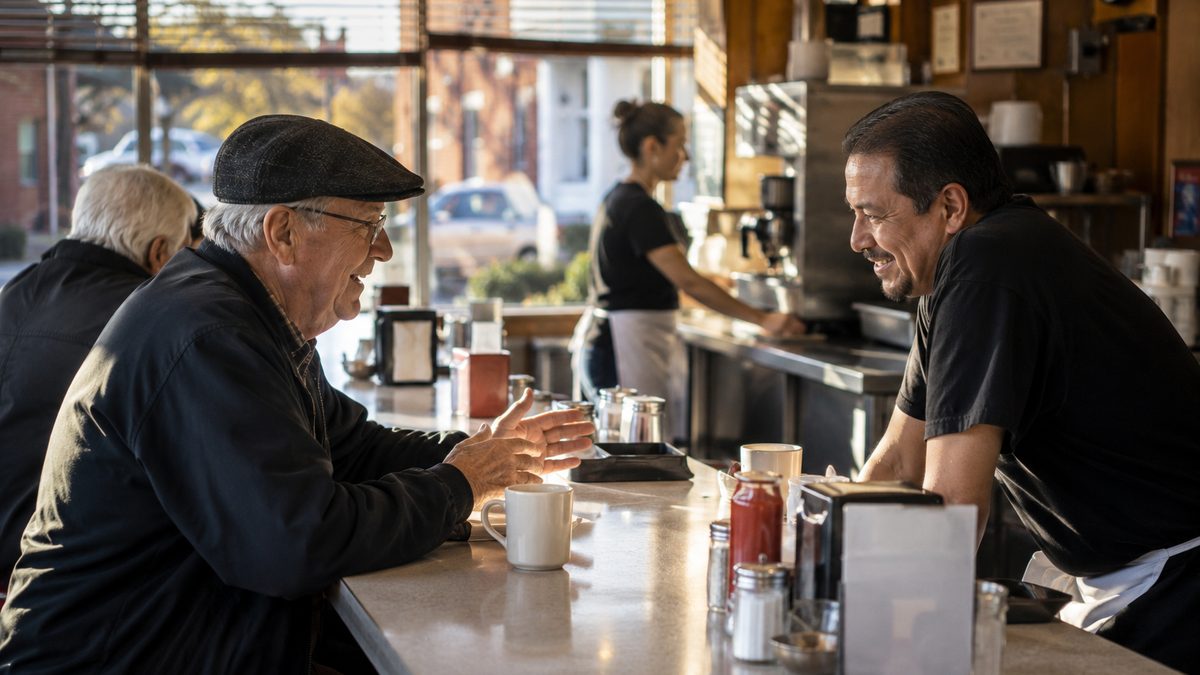
The other major shift in the handoff is racial and ethnic diversity. Pew says the country has become more diverse over the last half century. That is a simple sentence, but it helps explain a great deal about modern American life, from neighborhoods and schools to workplaces, media, and public life.
This part of the story matters because debates about identity and belonging can quickly become overheated. The data offers a calmer way in. Instead of treating diversity only as a political argument, the essay frames it as a measurable social reality. The country looks different than it did 50 years ago, and that change is part of the story America tells about itself at 250.
Why this is useful beyond the anniversary
Anniversary coverage can sometimes feel ceremonial or abstract. This story works because it is more grounded than that. It gives readers context for changes that happened over time, not all at once and not only because of today’s politics. Age and diversity are not just talking points. They shape daily life in households, schools, neighborhoods, and workplaces.
That also makes the article useful as a values and society piece. It asks readers to think about the country in human terms. What kind of communities are Americans living in now? What kinds of families and age groups are becoming more visible? How should a 250th anniversary be understood if the country itself is very different from the one many people imagine when they hear a patriotic milestone?
What the data does not settle
The handoff is careful about what remains unclear. It does not try to guess which trends readers will connect most strongly to their own communities. Some may recognize the aging story first. Others may see the diversity story more clearly. Local experience will shape that.
It is also unclear how political arguments around the 250th anniversary will shape public attention. Some people will use the anniversary to celebrate continuity. Others will use it to argue about decline or change. Pew’s data does not settle those arguments, and it does not need to. Its value is narrower and more useful: it gives people a factual baseline.
Why readers should care
Readers do not need another culture-war fight about what America means. They do need a clearer sense of how the country has actually changed. Pew’s essay helps with that by replacing heat with context.
The takeaway is simple. Over the last 50 years, the United States has become older and more diverse, and those shifts help explain much about American life now. As the country approaches its 250th anniversary, that may be one of the most useful starting points: not a slogan, but a clearer picture of who the country has become.
Reporting note: Reporting draws on Pew Research Center social trends research, demographic analysis, and reviewed background materials. This article was produced with AI-assisted research and reviewed by an editor before publication.