Ukraine and Moldova Move Closer to EU Talks After Hungary Shift
A reported shift by Hungary clears a key procedural obstacle for Ukraine and Moldova, but EU membership remains a long and uncertain process.
Save Article
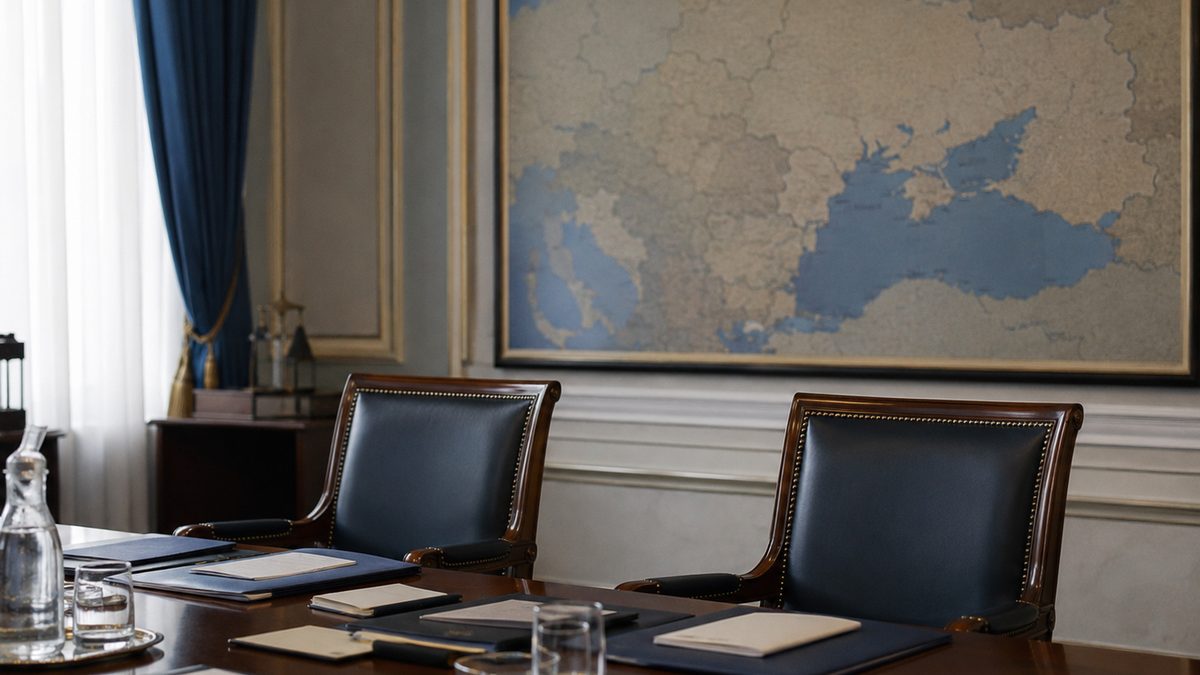
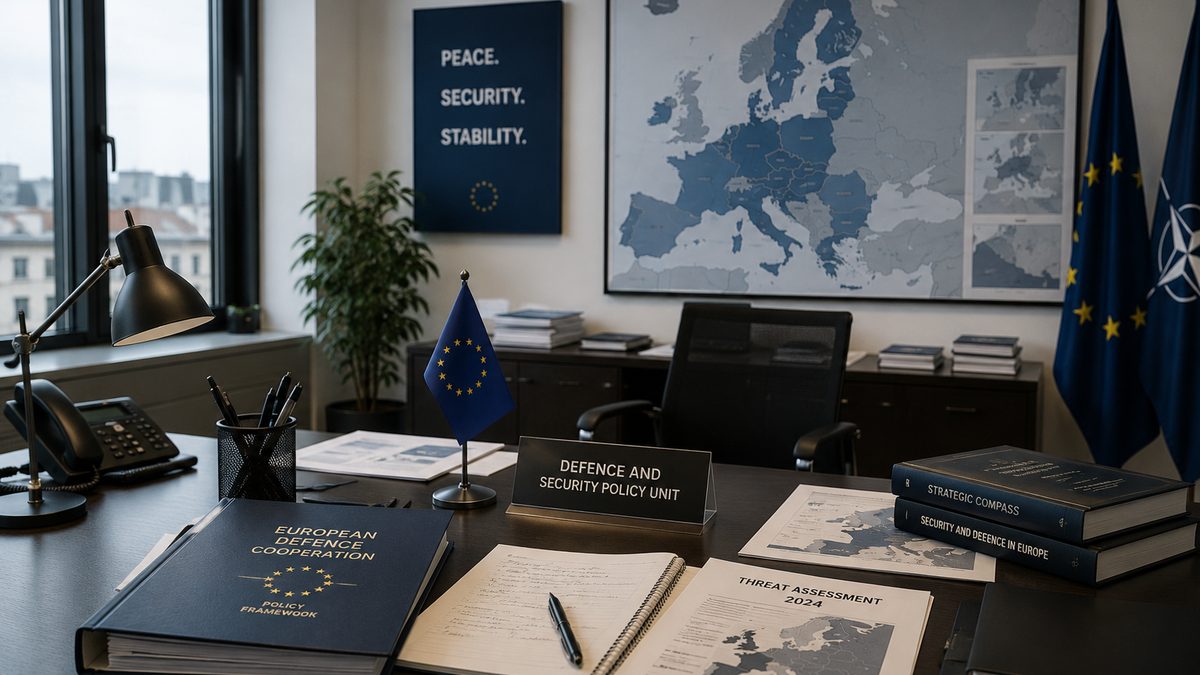
European accession talks move slowly, but each procedural step can shape a country's political future. Editorial illustration by TheDailyGlobe.
Key Facts
- The Kyiv Independent reported that all EU member states backed opening the first accession negotiation cluster with Ukraine and Moldova after a Hungary deal.
- The Financial Times reported that Hungary ended a 17-month veto that had blocked progress.
- The European Commission lists Ukraine as an official EU candidate country.
- Ukraine received EU candidate status in June 2022, according to European Commission background materials.
- The exact formal opening date and pace of the next steps remain unclear.
Europe may be moving Ukraine and Moldova one step closer to its political and legal system. That does not mean either country is about to join the European Union. It does mean a slow, technical process with real consequences appears to have cleared an important obstacle.
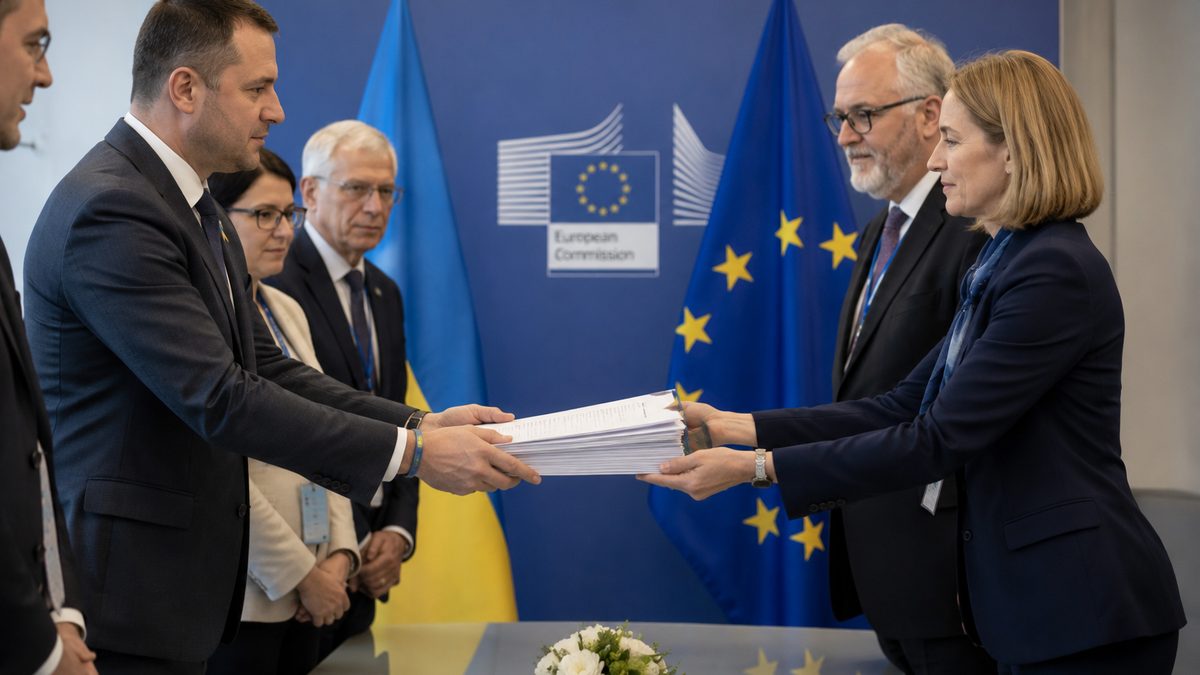
The Kyiv Independent reported Thursday that all EU member states backed opening the first cluster of accession negotiations with Ukraine and Moldova after a deal involving Hungary. The Financial Times reported that Hungary ended a 17-month veto that had blocked progress on the two countries' path toward EU membership.
The development matters because accession talks are where broad promises about joining Europe turn into detailed work on laws, courts, markets, rights and government standards. For Ukraine, the process is tied to the country's wartime future. For Moldova, it is part of a longer effort to align more closely with Europe.
What the First Cluster Means
EU accession is not a single vote or ceremony. It is a long review of whether a country can meet the bloc's rules and obligations. Negotiations are divided into policy areas, often described as clusters, that cover the standards a candidate country must meet before membership can happen.
Opening the first cluster would be meaningful because it moves Ukraine and Moldova deeper into the formal machinery of accession. It is still procedural, but procedure is the point in EU enlargement. Each step creates a clearer checklist for reforms and a more formal relationship between the candidate countries and the bloc.
That is why the distinction matters. This is not EU membership. It is not a guarantee of membership. It is a move toward negotiations over the conditions that would have to be met before membership could be considered.
Why Hungary's Shift Matters
EU enlargement decisions can be slowed or blocked by internal politics inside the bloc. Hungary's reported shift matters because one member state's objection had held up progress for Ukraine and Moldova for 17 months, according to Financial Times reporting.
The reasons behind Hungary's move should be handled carefully. Reporting points to a deal that cleared the way for the next step, but motives and political calculations should not be assumed beyond what officials and reporting directly establish.
What can be said plainly is that the reported change reduces one immediate barrier. It gives Brussels, Kyiv and Chisinau room to move from a blocked process toward a more active negotiating track.
Why It Matters Beyond Brussels
For Ukraine, the EU path is part of a larger question about what kind of country it will be after years of war: how it governs, how its economy connects to Europe, and how firmly it sits inside Western institutions.
For Moldova, the process carries its own weight. The country has pursued closer European alignment while facing pressure from its geography, politics and regional instability. Moving alongside Ukraine keeps Moldova tied to a broader European enlargement conversation.
For U.S. readers, the issue is indirect but important. The United States has carried a major role in supporting Ukraine, while Europe faces long-term questions about security, money, reconstruction and political responsibility. If Ukraine and Moldova move further into the EU process, more of their future will be shaped through European institutions, not only through emergency wartime support.
What Remains Uncertain
The pace remains uncertain. The exact formal opening date still needs to be watched, and the process can be slowed by reform benchmarks, EU politics or future disputes among member states.
Ukraine and Moldova also have to meet demanding requirements. EU accession is built around alignment with the bloc's laws and standards, and that work can take years. War, domestic politics, economic strain and institutional reforms can all affect the pace.
The most important caution is simple: moving closer to accession talks is not the same thing as nearing membership. The story is meaningful because it shows political movement after a long block, not because it settles the final outcome.
What to Watch Next
The next practical markers are the formal opening date, EU Council action and the benchmarks attached to the first negotiation cluster. Those details will show whether Thursday's reported breakthrough becomes a working process or another step slowed by internal European politics.
For now, Ukraine and Moldova appear to have moved closer to the table. The harder work is what comes after they sit down: proving, chapter by chapter, that they can meet the standards required to join the European Union.
Reporting note: Reporting draws on regional reporting, Financial Times reporting, European Commission background materials, EU accession records, and reviewed diplomatic context. This article was produced with AI-assisted research and reviewed by an editor before publication.