Slovenia's New Government Marks Another Shift in Europe's Political Map
Janez Jansa's return as Slovenia's prime minister adds another national shift to Europe's busy political year.
Save Article
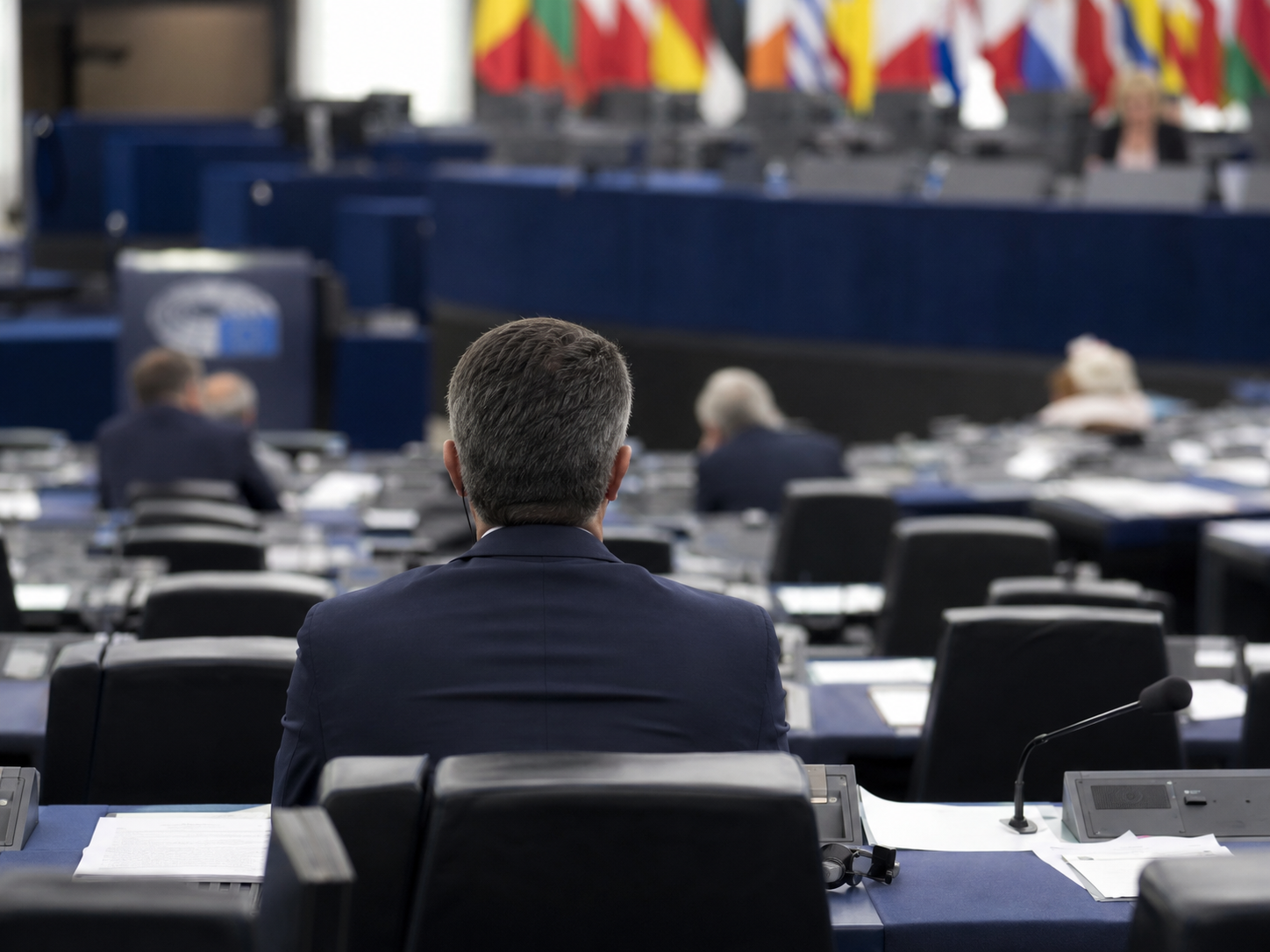
Government formation fights remain part of Europe's wider political shifts. Editorial illustration by TheDailyGlobe.
Slovenia has a new government after a postelection deadlock, adding another small but telling shift to Europe's political map.
AP reported that Janez Jansa was confirmed as Slovenia's prime minister after the country worked through a postelection standoff. The result is not a top global crisis, but it belongs in the wider pattern of European governments being reshaped by elections, coalition bargaining and voter pressure.
For U.S. readers, the point is not that Slovenia alone changes Europe's direction. It is that smaller European governments still matter inside the European Union, where national politics can affect coalition-building, migration debates, defense posture, budget fights and the tone of regional diplomacy.
A Government Change After Deadlock
The confirmed facts are narrow. AP reported that Jansa was confirmed as prime minister and that the vote followed a postelection deadlock. Characterizations of his politics should be attributed to AP or prior public records rather than treated as shorthand.
That matters because European politics is often flattened into broad labels. A government formation story is usually less dramatic than a campaign result, but it can be more important for what actually happens next. Coalition agreements, cabinet choices and early governing priorities will show more than the headline alone.
Why It Fits Europe's Bigger Year
The EU Election Monitor and broader European political context point to a year with multiple national elections and political shifts across the continent. Slovenia's change fits into that larger movement without needing to be overstated.
The practical question is how stable the new coalition will be and how the government will approach Slovenia's role inside the EU. The available source material does not answer those questions yet.
What to Watch Next
The next test is not the confirmation vote itself. It is whether the new government can hold together and govern through the same pressures affecting much of Europe: inflation worries, migration disputes, security concerns and public frustration with established parties.
Slovenia may be a smaller European country, but its government change is still part of the larger story: Europe is not politically still. Its map is being redrawn one national result and one coalition fight at a time.
Reporting note: Reporting draws on reputable wire reporting, European election-monitoring context, public political records, and reviewed background materials. This article was produced with AI-assisted research and reviewed by an editor before publication.