Russia’s Nuclear Drills Add Pressure to Europe’s Security Debate
Russia and Belarus held joint nuclear drills, adding another signal of military pressure around Europe without proving that nuclear use is imminent.
Save Article

Russia and Belarus held joint nuclear drills, adding another signal of military pressure around Europe without proving that nuclear use is imminent. Editorial illustration by TheDailyGlobe.
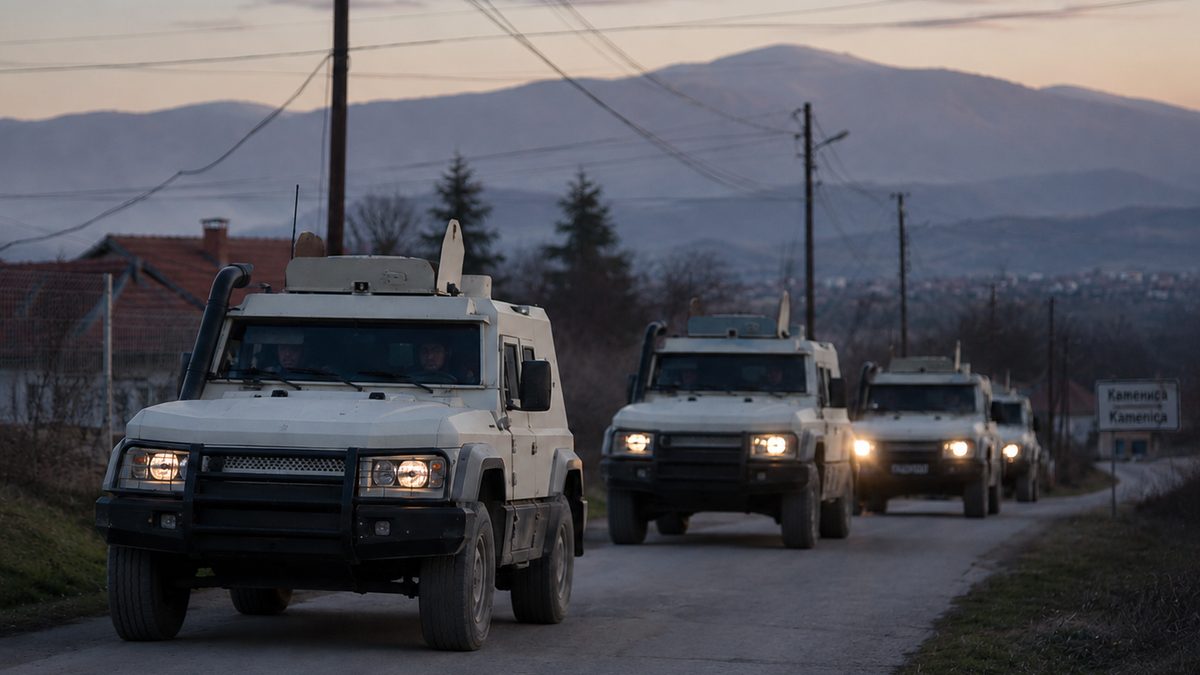
Russia and Belarus held large-scale joint nuclear drills involving land, sea and air forces, according to AP, adding another layer of pressure to Europe’s security debate.
AP reported that the drills included Belarusian participation and nuclear-capable systems. The exercises come as Europe continues to weigh Russia’s war in Ukraine, NATO’s deterrence posture and the risk of military signaling spilling into wider confrontation.
The important point is restraint. Nuclear drills are serious, but they do not automatically mean nuclear use is imminent. They are also signals: to adversaries, allies, domestic audiences and military planners.
What the Drills Show
The drills show that Russia is continuing to use nuclear-capable forces as part of its broader military messaging. Belarus’s participation matters because it places a close Russian ally inside the exercise, at a time when Europe is already focused on security risks near NATO’s eastern flank.
Russia frames such exercises as defensive. European officials may see them differently, especially while Russia’s war in Ukraine continues and European governments debate how much military support, defense spending and readiness they need.
Why Europe Pays Attention
Military exercises can affect security planning even when no weapon is used. NATO-area governments watch who participates, what systems are involved, where drills happen and how the exercises are described publicly.
That does not mean every drill marks a change in nuclear posture. It does mean the drills become part of the environment European defense officials must read alongside Ukraine’s air-defense needs, Russian military pressure and wider regional uncertainty.
What Remains Unclear
It remains unclear whether the drills signal a change in Russian nuclear posture or primarily political messaging. It is also unclear how NATO governments will respond publicly or militarily.
For now, the safest reading is that the drills are a European security signal, not proof of an imminent nuclear step. They matter because they shape the pressure around Europe’s defense debate, even without changing the basic facts on the ground in Ukraine.
Reporting note: Reporting draws on AP reporting, European security materials, EEAS background materials, and reviewed regional security context. This article was produced with AI-assisted research and reviewed by an editor before publication.