EU Keeps Moldova Sanctions in Place as Hybrid Pressure Remains a Regional Risk
The European Union extended Moldova-related sanctions through April 2027, keeping pressure on people and entities accused of undermining the country’s sovereignty.
Save Article
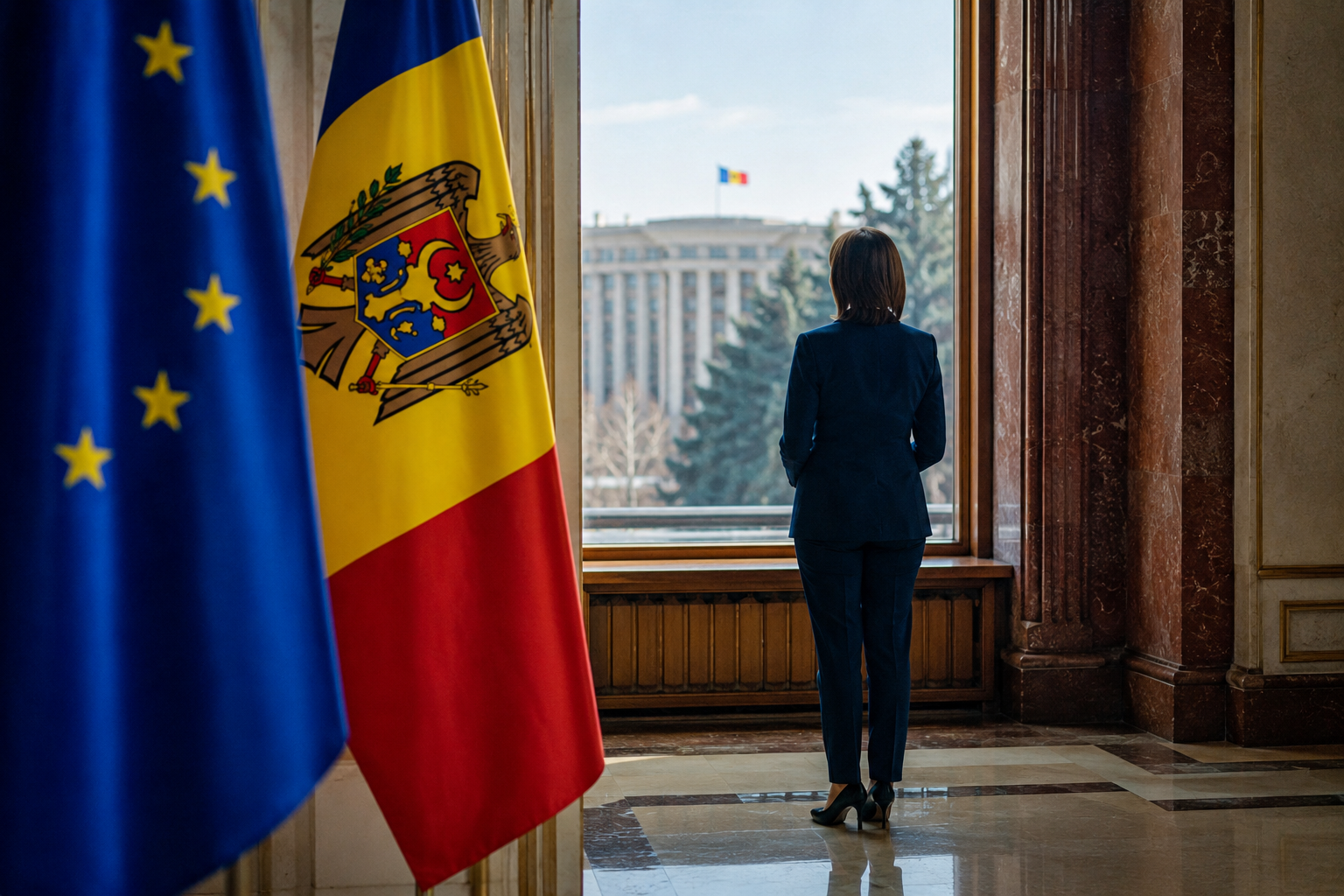
The European Union extended Moldova-related sanctions through April 2027, keeping pressure on people and entities accused of undermining the country’s sovereignty. Editorial illustration by TheDailyGlobe.
The European Union has extended restrictive measures against people and entities it says are involved in actions undermining or threatening Moldova’s sovereignty and independence.
The Council of the EU said the measures will remain in place until April 29, 2027. EU materials describe the sanctions framework as focused on destabilization activity involving Moldova.
For readers, the Moldova story matters because it sits at the edge of several larger European pressures: Russia’s war against Ukraine, Moldova’s relationship with the European Union, information operations, and fears that political instability could spread through a vulnerable part of Eastern Europe.
What the EU Extended
The sanctions extension keeps EU pressure on designated individuals and entities accused by the bloc of threatening Moldova’s sovereignty and independence. Those targets may dispute the accusations, so the claims should be understood as the EU’s position.
The action does not mean every political dispute inside Moldova is foreign-backed or part of a destabilization campaign. Moldova has its own domestic politics, factions and public debates. The EU measure is aimed at specific people and entities the bloc has linked to destabilizing activity.
Why Moldova Matters
Moldova is part of the EU’s Eastern Partnership region, alongside Ukraine and other countries. That geography matters. Moldova borders Ukraine, faces pressure tied to Russian influence concerns, and has been moving closer to European institutions.
That makes Moldova a small country with outsized importance in Europe’s security debate. If outside pressure, disinformation or political disruption weakens Moldova, the concern is not only local politics. It also affects how Europe thinks about stability on Ukraine’s western edge.
What Remains Unclear
It remains unclear whether the sanctions will deter future destabilization efforts. Sanctions can restrict travel, freeze assets or signal political pressure, but they do not automatically remove the underlying risks.
It is also unclear whether Moldova’s domestic pressures will intensify as regional tensions continue. For now, the EU’s decision shows that Moldova remains a live security concern for Europe, not a settled background issue.
Reporting note: Reporting draws on Council of the European Union materials, EU foreign-policy materials, sanctions framework information, and reviewed regional context. This article was produced with AI-assisted research and reviewed by an editor before publication.