Military Spouse Licensing Case Highlights a Career Challenge Many Service Families Know Well
A new Justice Department lawsuit against New Mexico is drawing attention to a practical question facing many military families: what happens when a service-related move interrupts a spouse's professional career?
Save Article

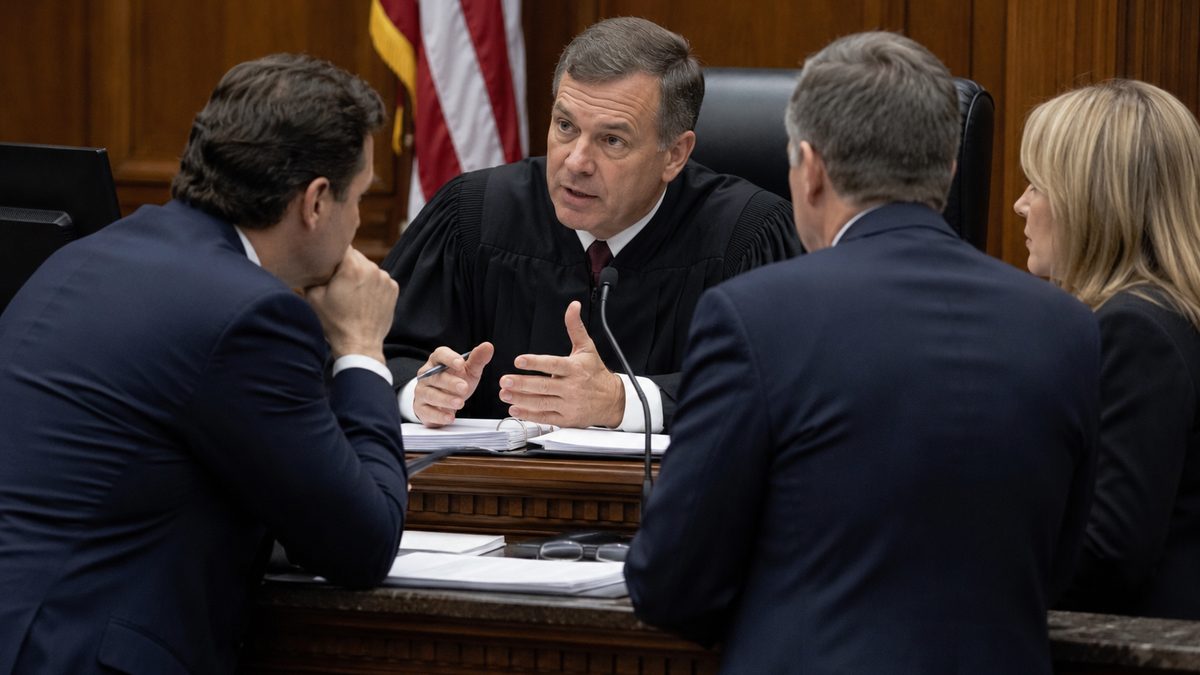
A service-related move can carry career consequences long after the boxes are unpacked. Editorial illustration by TheDailyGlobe.
Key Facts
- The Justice Department sued the New Mexico Supreme Court and Board of Bar Examiners on June 11.
- The lawsuit alleges violations of the Servicemembers Civil Relief Act's professional-license protections.
- Bloomberg Law reported that the dispute involves the rejection of a military spouse's bar application.
- Federal guidance outlines professional-license portability protections for qualifying servicemembers and spouses.
- New Mexico maintains a military-spouse limited-license program for attorneys.
For many military families, a relocation order means more than finding a new home or enrolling children in a different school. It can also mean putting a spouse's career on hold while navigating a new state's professional licensing rules.
That challenge is at the center of a new lawsuit filed by the U.S. Department of Justice against the New Mexico Supreme Court and the state's Board of Bar Examiners. The lawsuit alleges violations of federal protections intended to help military spouses continue working in licensed professions after service-related moves.
A Legal Fight Rooted in a Practical Problem
The lawsuit centers on a question that affects military families across the country: when a servicemember receives orders to move, how easily can a spouse continue working in a licensed profession?
Many occupations require state-issued licenses, including law, nursing, teaching, counseling, real estate and other regulated professions. Because licensing requirements often vary from state to state, relocation can create delays, additional costs or periods of unemployment for spouses who were already licensed elsewhere.
According to the Justice Department, Congress created protections intended to reduce those disruptions. The agency alleges that New Mexico officials failed to properly recognize a qualifying out-of-state law license in a case involving a military spouse. Those allegations remain claims within a lawsuit and have not been established by a court.
What Federal License Portability Protections Do
Professional-license portability is designed to address a reality unique to military life. Unlike many civilian workers, military families often have little control over when or where they relocate.
Justice Department guidance explains that qualifying servicemembers and spouses may be entitled to have professional licenses recognized after military-related moves, subject to specific eligibility requirements. The goal is to allow families to maintain employment rather than repeatedly restarting licensing processes every time they cross state lines.
Supporters of portability protections argue that stable employment can help military families maintain household income and reduce financial stress during frequent relocations. The protections are also intended to help employers retain experienced workers who might otherwise leave their professions temporarily after a move.
The State System at the Center of the Dispute
The case does not involve a state with no military-spouse licensing accommodations. New Mexico's Board of Bar Examiners maintains a military-spouse limited-license process for attorneys.
That fact is important because the lawsuit is not simply about whether a program exists. Instead, the dispute focuses on whether federal protections were properly applied in a specific situation. The existence of a state licensing pathway does not by itself resolve the legal questions raised by the Justice Department.
As of the lawsuit's filing, the broader legal dispute remained unresolved. The allegations presented by federal officials represent one side of the case, and the defendants will have an opportunity to respond through the court process.
Why Other Military Families May Be Paying Attention
Although the lawsuit focuses on New Mexico, the underlying issue reaches far beyond one state. Military families move regularly among states with different licensing systems, application requirements and professional standards.
For families relying on two incomes, even a temporary interruption in employment can have practical consequences. Delays in license recognition may affect household budgets, career advancement and long-term professional development.
The case also highlights the continuing challenge of balancing state authority over professional licensing with federal laws designed to protect military families from burdens created by service-related relocations.
What Remains Unclear
Several important questions remain unanswered. It is not yet clear how New Mexico officials will respond to the allegations in court. The litigation is still in its early stages, and no court has determined whether federal law was violated.
It is also unclear whether the case could influence licensing practices in other states. Available reporting does not establish whether similar disputes are likely elsewhere or whether federal officials plan broader enforcement efforts.
What Readers Should Watch Next
The next developments will likely come through court filings and legal responses from New Mexico officials. Readers should watch for details about how the state interprets the federal protections at issue and whether the court provides guidance on how those protections should be applied.
Beyond the legal arguments, the case serves as a reminder that seemingly technical licensing rules can have real effects on family finances and career stability. For military spouses trying to continue professional careers after a move, those rules can determine whether work resumes quickly or remains on hold.
Reporting note: Reporting draws on Justice Department filings and guidance, legal reporting, state licensing materials, and reviewed background materials. This article was produced with AI-assisted research and reviewed by an editor before publication.