VA Says Disability Claims Are Moving Faster. The Bigger Question Is Whether Veterans Feel the Difference.
The Department of Veterans Affairs says it has processed more than 2 million disability claims earlier in the fiscal year than ever before, but speed is only one measure veterans use to judge the system.
Save Article
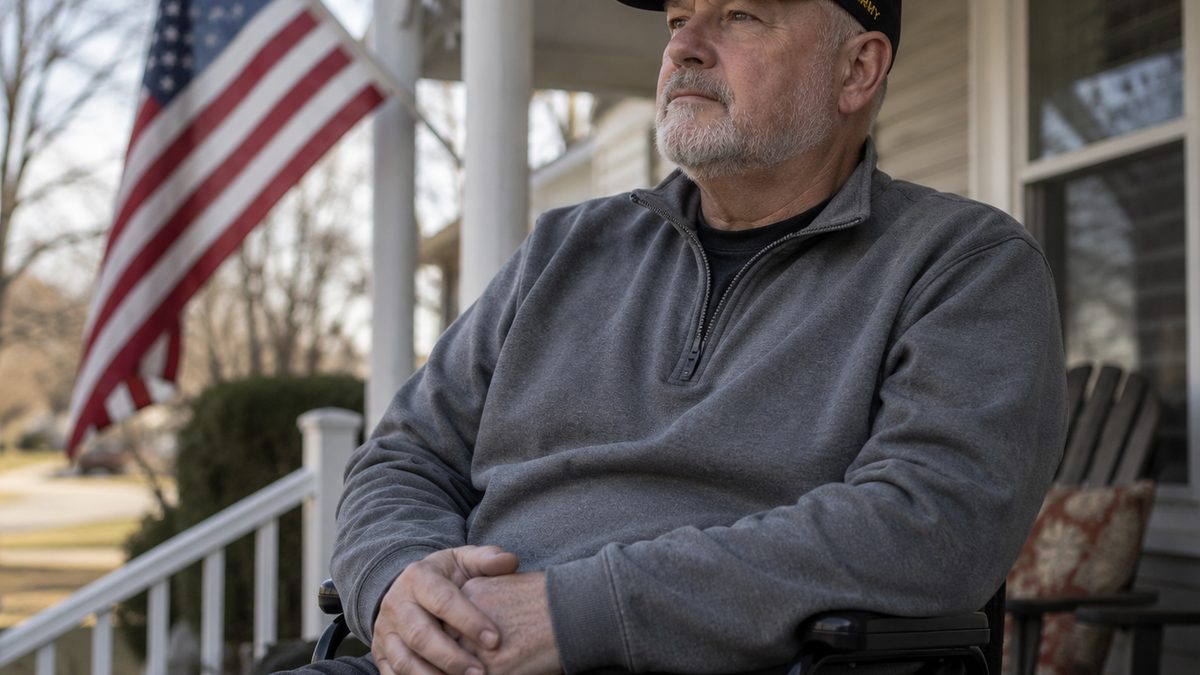
Benefits processing speed matters most when veterans can get clear, accurate answers. Editorial illustration by TheDailyGlobe.
Key Facts
- VA reported processing more than 2 million disability benefits claims in fiscal year 2026 as of June 1.
- The agency said it reached the milestone earlier than it did during fiscal year 2025.
- The American Legion highlighted the achievement in coverage of the announcement.
- Military.com has reported that some veterans still experience lengthy waits despite faster overall processing.
- VA's performance figures are agency-reported metrics and do not necessarily reflect every veteran's experience.
For many veterans, a disability claim is not an abstract government statistic. It can affect household income, access to health care, family finances, and day-to-day stability while they wait for an answer.
That is why processing speed matters. A claim that moves through the system more quickly can mean faster access to benefits that veterans may depend on. But speed alone does not tell the whole story. Veterans also care about accuracy, communication, and whether the process feels manageable from start to finish.
The Department of Veterans Affairs announced this week that it processed more than 2 million disability benefits claims in fiscal year 2026 as of June 1. According to the agency, that milestone was reached earlier in the fiscal year than in previous years, which VA described as another record pace for claims processing.
What the New Milestone Means
The announcement suggests that VA has continued increasing the pace at which claims move through the system. For a department that handles millions of disability claims each year, even modest improvements in processing speed can affect large numbers of veterans.
The agency framed the announcement as evidence that ongoing efforts to improve claims handling are producing results. The American Legion also reported on the milestone, noting that it was reached sooner than the comparable mark in the previous fiscal year.
For veterans waiting on decisions, however, the number itself does not answer the most important question: how long will an individual claim take to resolve?
Why Some Veterans Still Experience Delays
National processing numbers can improve even while some applicants continue to face long waits. Military.com reported earlier this year that faster overall claims processing has not eliminated delays for every veteran seeking benefits.
Part of the challenge is that disability claims vary widely. Some claims involve relatively straightforward documentation, while others require extensive medical evidence, service records, examinations, or review of multiple conditions.
Because of those differences, a record processing pace across the system does not necessarily mean every category of claim is moving equally quickly. Veterans with more complex cases may still encounter lengthy timelines.
Speed Matters, but Accuracy Matters Too
Processing claims faster can reduce waiting periods, but veterans advocates have long argued that accuracy is just as important as speed. A quick decision that later requires correction, appeal, or additional review may not feel like an improvement to the veteran involved.
The available reporting surrounding the latest milestone focuses primarily on processing volume and timing. It does not provide a full picture of how accuracy rates compare across claim types or whether improvements have occurred evenly throughout the system.
That does not mean the milestone lacks value. It means readers should understand what the announcement measures and what it does not measure. The figure demonstrates increased processing activity. It does not by itself answer every question about outcomes, appeals, or long-term claim quality.
The Public-Service Test
Veterans benefits programs represent a long-standing public commitment to people who served in the military. For that reason, agency announcements are ultimately judged less by headlines and more by everyday results.
A veteran trying to pay bills while waiting for a disability determination is likely to care less about record totals than about whether the system provides a clear, fair, and timely answer. That is the standard by which most federal service programs are measured.
The VA's announcement provides evidence that claims are moving through the system at a faster pace overall. Whether veterans consistently experience that improvement across different claim categories remains a separate question.
What Readers Should Watch Next
Several measures will help provide a fuller picture in the months ahead. Future backlog reports, wait-time data, appeals outcomes, and accuracy information may reveal whether improvements are reaching veterans broadly across the system.
The milestone itself is clear: VA says it processed more than 2 million disability claims earlier in the fiscal year than before. What remains less clear is how evenly those gains are being experienced and whether faster processing continues alongside strong accuracy and access. Those are the numbers veterans, advocates, and lawmakers are likely to watch most closely going forward.
Reporting note: Reporting draws on Department of Veterans Affairs materials, veterans organization reporting, veterans affairs coverage, and reviewed background materials. This article was produced with AI-assisted research and reviewed by an editor before publication.