Supreme Court Leaves State Gun Industry Liability Laws in Place
The Supreme Court declined to hear a challenge to a New York law allowing certain lawsuits against gun manufacturers and distributors, leaving lower-court rulings intact and keeping a closely watched legal debate alive.
Save Article
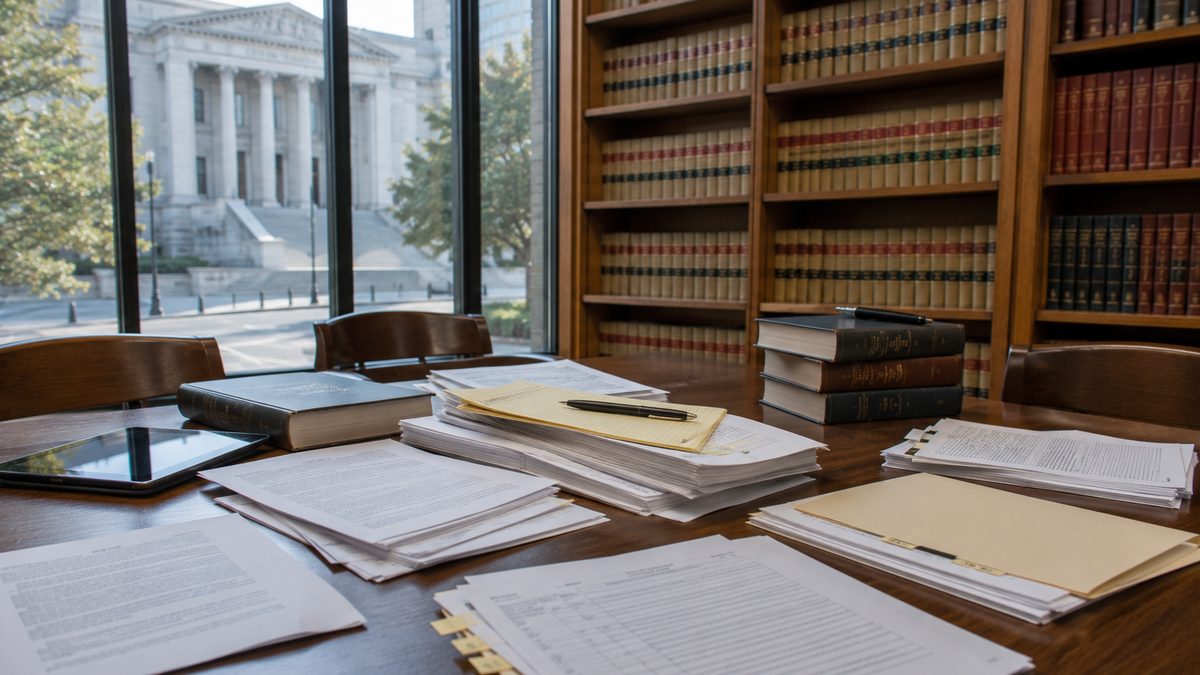
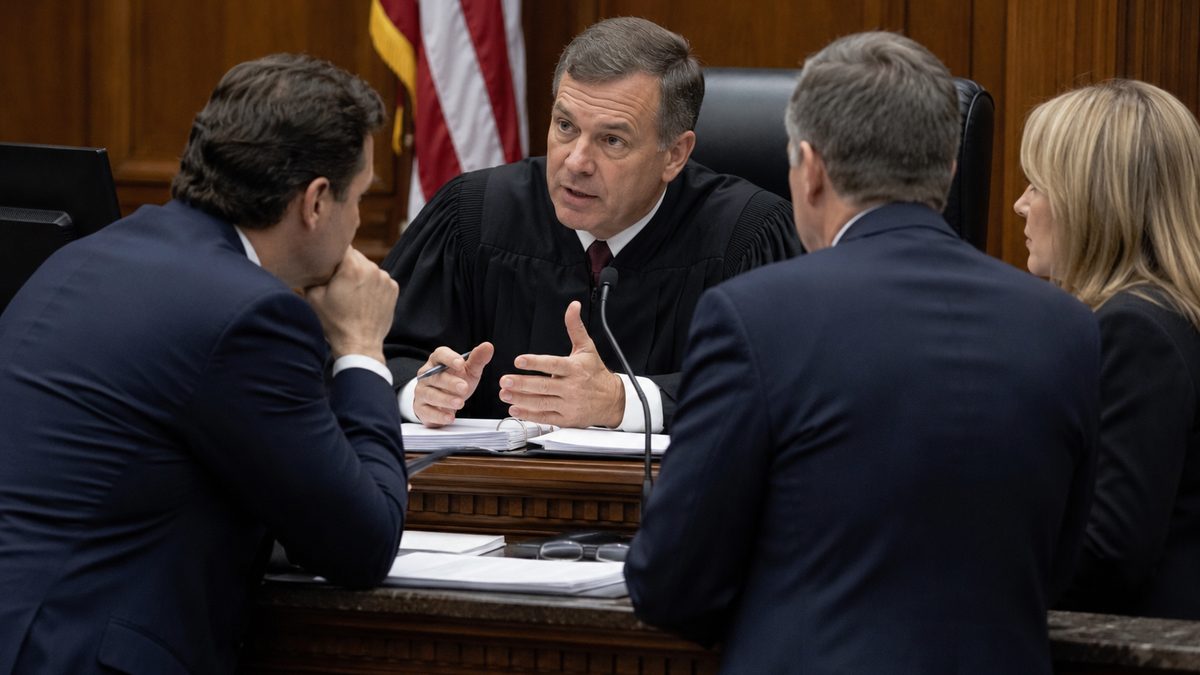
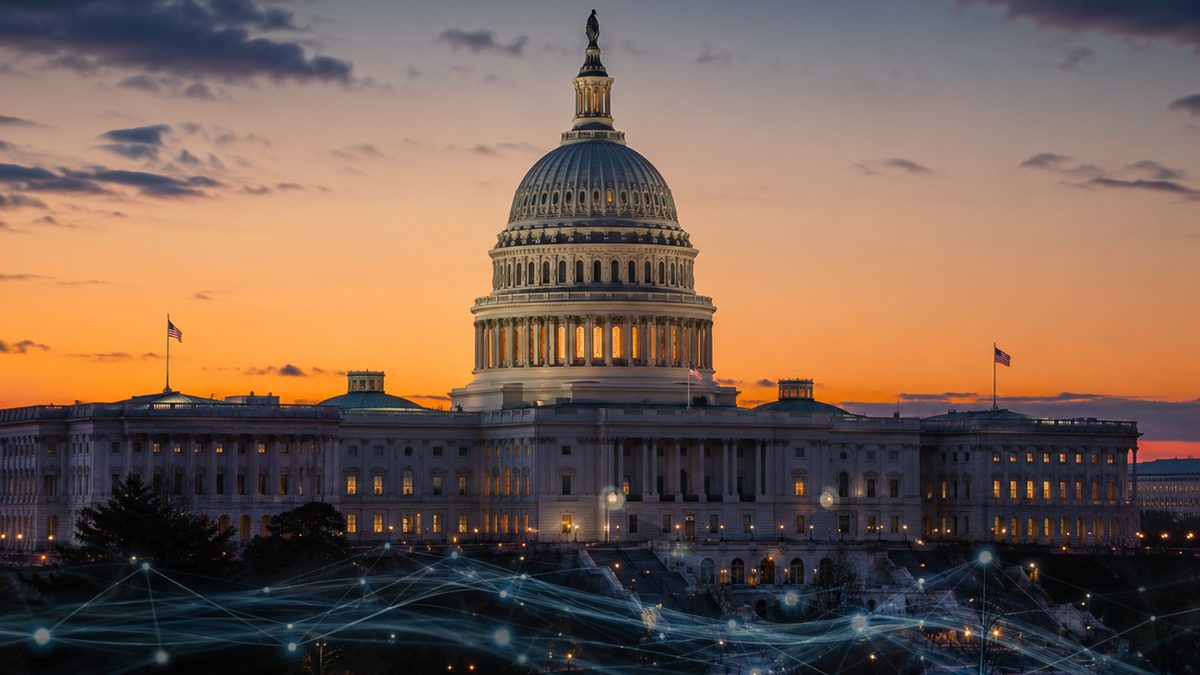
The Supreme Court's decision not to hear the case leaves lower-court rulings in place and preserves a developing legal debate over state liability laws. Editorial illustration by TheDailyGlobe.
Key Facts
- The Supreme Court declined to hear a challenge to New York's gun industry liability law.
- The Court did not rule on the merits of the case.
- Lower-court rulings upholding the law remain in effect.
- Similar liability laws have been adopted in multiple states.
- Questions remain about whether additional states will pursue similar legislation.
The Supreme Court took a step that may shape future legal battles over the firearms industry, not by issuing a major ruling, but by declining to hear a challenge at all. The Court's decision leaves in place lower-court rulings that upheld a New York law allowing certain lawsuits against gun manufacturers and distributors.
For most Americans, the case is less about a single state law and more about a broader question: under what circumstances can companies be held responsible when their products end up being used in crimes? The Supreme Court did not answer that question directly. Instead, it allowed existing lower-court decisions to stand.
What the Court Actually Did
The most important detail is what the Supreme Court did not do. By declining review, the justices did not issue a nationwide ruling on whether the New York law is valid. They also did not establish a new constitutional standard or reinterpret federal firearms liability protections.
Instead, the Court allowed the decision of the lower courts to remain in place. That means New York's law continues to operate while the broader legal debate continues in other courts and jurisdictions.
Supreme Court denials of review are common and often provide little explanation. A refusal to hear a case should not automatically be interpreted as agreement with the lower court's reasoning. It simply means the Court chose not to take up the dispute at this time.
Why New York's Law Has Drawn Attention
The New York law has attracted national attention because it attempts to create a path for certain lawsuits against gun manufacturers and distributors when their business practices are alleged to contribute to unlawful gun trafficking or criminal misuse.
Supporters of such laws argue that companies should face legal consequences if their conduct contributes to illegal firearm markets. Critics argue that federal protections were designed to shield lawful manufacturers and sellers from many forms of liability tied to crimes committed by third parties.
That disagreement has produced years of litigation, with courts examining how state laws interact with existing federal protections. The case that reached the Supreme Court was part of that ongoing legal struggle.
Why the Decision Matters Beyond New York
Although the law applies within New York, the implications extend beyond one state. Several states have adopted or explored similar approaches aimed at creating additional legal avenues for claims involving the firearms industry.
Because the Supreme Court declined to intervene, lawmakers and courts in those states now have another data point as they consider how similar laws may fare in future litigation. The Court's action does not guarantee that comparable laws will survive every challenge, but it leaves existing lower-court precedent intact.
For state governments, the case also touches on a broader question of authority. States frequently test the boundaries of federal law in areas involving public safety, consumer protection, and business regulation. This dispute sits at the intersection of those issues.
What Remains Unclear
Several major questions remain unresolved. The Supreme Court did not determine whether similar laws in other states are valid. It also did not address whether Congress should revisit existing federal liability protections related to the firearms industry.
It is unclear how many additional states may pursue comparable legislation in the coming years. Future lawsuits could eventually produce different rulings in other federal courts, creating legal conflicts that might attract Supreme Court review later.
The Court's action settles very little beyond the immediate case. The New York law remains in effect, but the broader legal debate continues.
What Readers Should Watch Next
The next developments are likely to occur in state legislatures and lower courts rather than at the Supreme Court. New lawsuits, additional state laws, or conflicting appellate rulings could reshape the legal landscape and potentially bring similar questions back before the justices in the future.
For now, the key takeaway is straightforward: the Supreme Court did not issue a sweeping ruling on gun industry liability. By declining to hear the challenge, it left existing lower-court decisions in place and allowed an evolving state-by-state legal debate to continue.
Reporting note: Reporting draws on Supreme Court orders, appellate court records, national reporting, and reviewed background materials. This article was produced with AI-assisted research and reviewed by an editor before publication.