Measles Cases Keep Pressure on Families, Schools, and Local Health Departments
CDC's latest measles count shows why outbreaks are not only a medical issue, but also a practical challenge for schools, families and local health departments.
Save Article
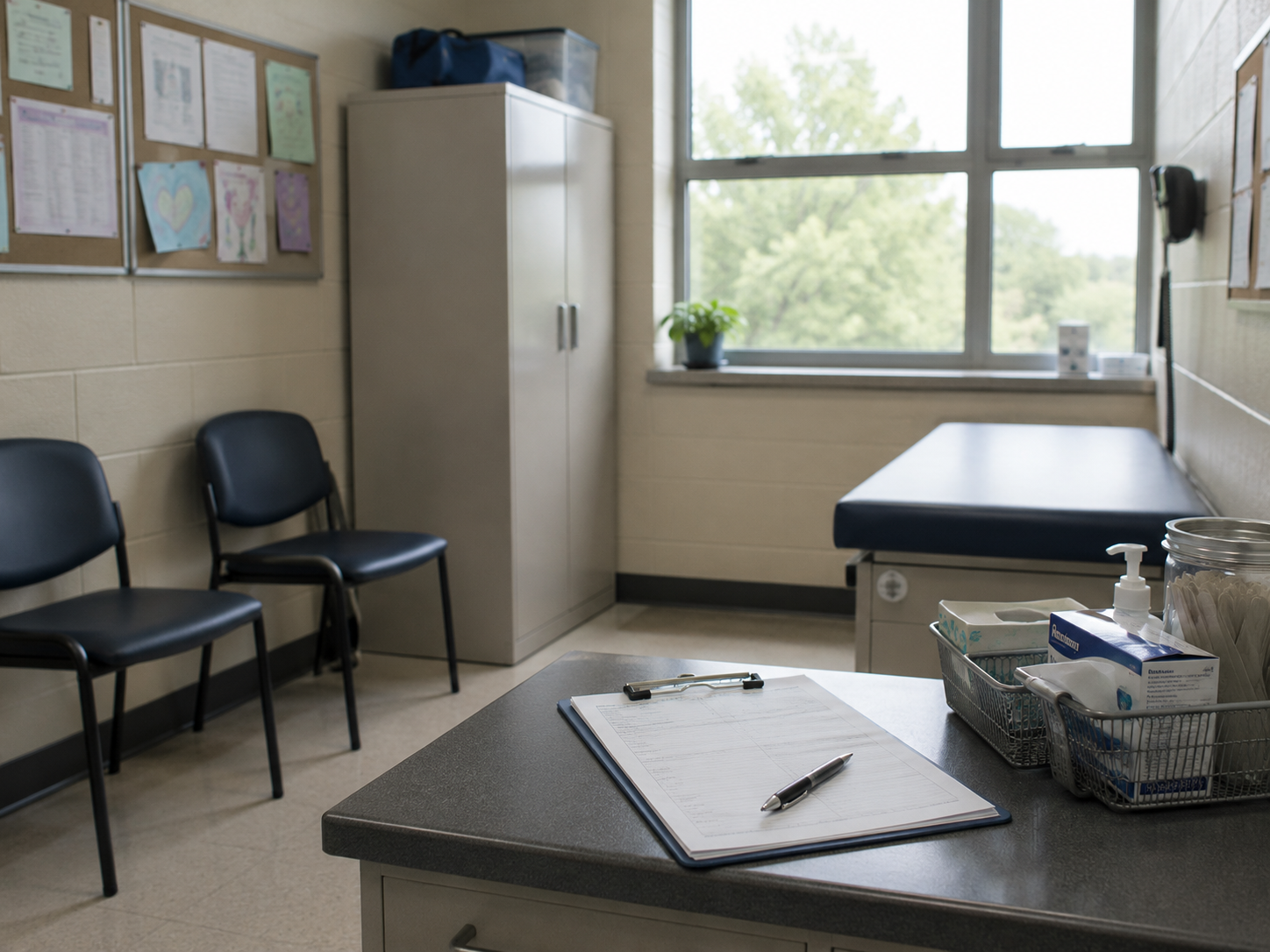
Measles cases can create practical challenges for families, schools, and local health departments. Editorial illustration by TheDailyGlobe.
Key Facts
- CDC reported 1,952 confirmed U.S. measles cases in 2026 as of May 21.
- CDC reported cases across many jurisdictions.
- AAP News reported the CDC added 59 cases in the latest update.
- Johns Hopkins' U.S. measles tracker provides geographic context for outbreaks and case distribution.
- Measles exposure can affect schools, families and local public health response.
Measles cases in the United States are putting pressure on more than public health dashboards.
The CDC reported 1,952 confirmed U.S. measles cases in 2026 as of May 21. AAP News reported that the CDC added 59 cases in its latest update, while Johns Hopkins' U.S. measles tracker provides geographic context for outbreaks and case distribution.
For families and schools, the practical issue is not only the national case count. A measles exposure can mean notices from schools or childcare centers, checks of vaccination records, calls to health departments, and guidance for people who may need monitoring or isolation instructions from public health officials.
Why the Count Matters Beyond the Number
A national measles count can sound distant until a case touches a school, clinic, church, airport, childcare center or workplace.
When an exposure is identified, local health departments may have to determine who was nearby, who may be vulnerable, what notifications are needed and what guidance should be given. Schools may have to communicate with parents, review records and coordinate with health officials. Families may have to answer questions quickly while trying not to panic.
That is why measles can create a workload even when the number of cases in a single community is small. The public health response is built around preventing spread, and that response takes time, staff and clear communication.
Schools Can Feel the Pressure Quickly
Schools and childcare centers are often where the practical burden shows up first. They are places where children spend hours together, where records matter and where families expect quick answers when an exposure notice goes out.
A school response can involve attendance questions, vaccination documentation, communication with parents and coordination with health agencies. None of that means every exposure leads to a larger outbreak. It means even a limited exposure can disrupt normal routines.
For working parents, the pressure can be immediate. A public health notice may raise questions about whether a child can attend school, whether a sibling is affected, or whether a family needs to wait for further guidance from local officials.
Keep the Story Practical, Not Panicked
Measles is a serious public health issue, but the clearest coverage does not need culture-war framing or alarmist language.
The useful approach is to separate what is known from what is not. The CDC count is confirmed. AAP News reported the latest increase. Johns Hopkins provides mapping context. What remains uncertain is whether cases will keep rising through summer travel season and which local outbreaks may require additional school or community response.
Readers looking for personal medical guidance should rely on their doctor or local public health agency. This article is not medical advice. It is a plain explanation of why measles case updates can matter for everyday routines.
What Remains Unclear
Several questions remain open. It is unclear whether cases will continue rising through the summer travel season. It is also unclear which local outbreaks will require additional school or community response, and how many exposed people may need monitoring or isolation guidance.
Those unknowns matter because public health work is local even when the count is national. A case number on a CDC page becomes a real-world task for health departments, school nurses, administrators, parents and clinicians.
The careful takeaway is this: the latest measles numbers are not just statistics. They are a reminder that outbreaks can create practical pressure on families and schools long before most people see the impact in their own community.
Reporting note: Reporting draws on CDC public health data, pediatric public health reporting, disease-tracking resources, and reviewed background materials. This article was produced with AI-assisted research and reviewed by an editor before publication.