New Health Coverage Data Show Where Insurance Gaps Still Touch Families
Federal health data show the uninsured rate stayed at 8.3% in 2025, leaving millions of adults and children without coverage.
Save Article

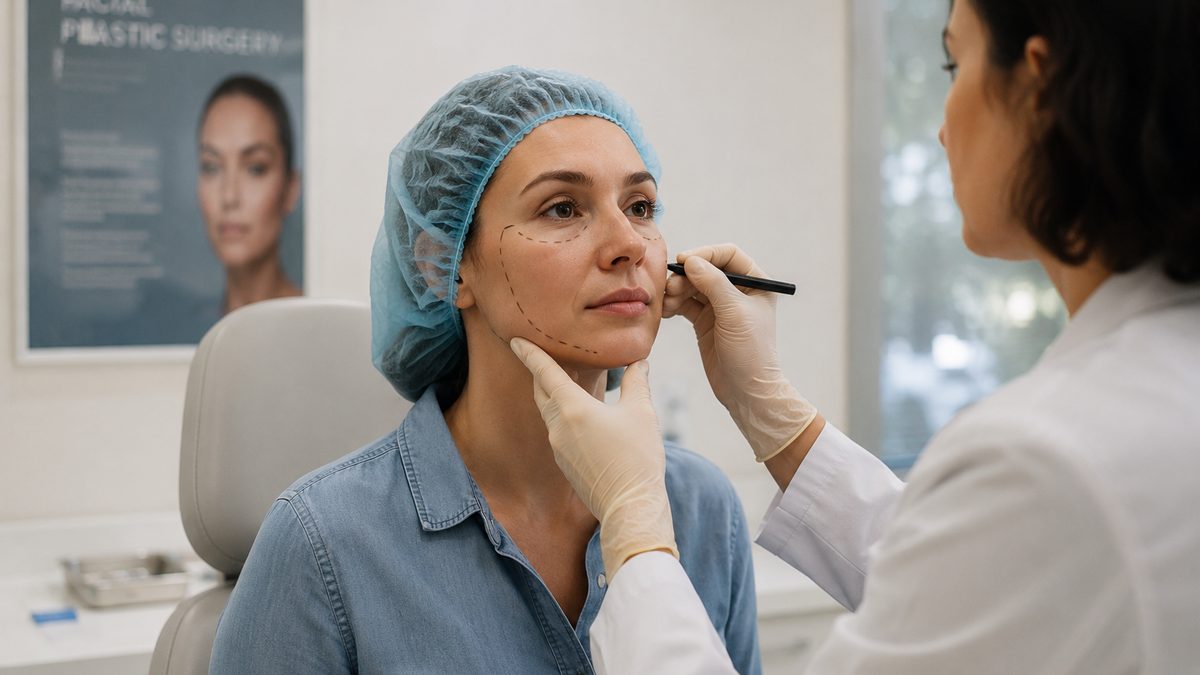
Health coverage data can show where medical costs and care access still touch family life. Editorial illustration by TheDailyGlobe.
Key Facts
- CDC/NCHS said 8.3% of Americans of all ages, or about 28.0 million people, were uninsured in 2025.
- NCHS reported that 11.6% of adults ages 18 to 64 were uninsured in 2025.
- NCHS reported that 5.6% of children ages 0 to 17 were uninsured in 2025.
- The figures are national survey estimates and do not by themselves explain why individual families lacked coverage.
- Future coverage trends may depend on employment, Medicaid, CHIP, marketplace enrollment, insurance costs and policy changes.
Health insurance is not just a line on a government chart. For families, it can affect whether a child gets a checkup, whether a parent fills a prescription, whether a medical bill becomes a monthly budget problem, or whether someone waits too long before seeking care.
New federal health coverage data show that those questions still touch millions of households. The Centers for Disease Control and Prevention’s National Center for Health Statistics said 8.3% of Americans of all ages, or about 28.0 million people, did not have health insurance in 2025. The agency described the uninsured rate as unchanged from the prior year.
What The New Numbers Show
The 2025 estimates give a national snapshot of health coverage rather than a complete explanation of why people are uninsured. That distinction matters. The data show how many people lacked coverage and which broad age groups were affected, but they do not prove why any one household went without insurance.
The largest coverage gap in the reported figures was among working-age adults. NCHS reported that 11.6% of adults ages 18 to 64 were uninsured in 2025. That group includes many people who may get insurance through work, buy coverage through the individual market, qualify for public programs, or fall into gaps depending on income, job status, family situation, state rules and affordability.
Children had a lower uninsured rate, but the number is still important for families and public-health planning. NCHS reported that 5.6% of children ages 0 to 17 were uninsured in 2025. For children, coverage can shape access to preventive care, vaccinations, routine visits, urgent treatment and follow-up care when health problems appear.
Why Coverage Gaps Matter At Home
Being uninsured does not mean a person never receives medical care. Emergency rooms, clinics, community health centers and local programs may still provide care in some situations. But lack of insurance can make ordinary health decisions harder and more expensive.
A family without coverage may delay a visit because of cost. A working adult may avoid getting a symptom checked until it worsens. A parent may have to choose between paying out of pocket and waiting. Even when care is available, the bill can arrive at a time when rent, food, transportation and child-care costs are already stretching the household.
That is why a national uninsured rate can matter even when it looks like a small percentage. An 8.3% rate still represents about 28.0 million people. In practical terms, that is millions of people living with less financial protection if they get sick, injured, need medication or face an unexpected diagnosis.
What The Data Does Not Prove
The figures should not be stretched into a partisan verdict. They do not, on their own, prove which policy choice, employer decision, state rule, family circumstance or price increase caused someone to be uninsured. They also do not show the local differences that often matter most to patients.
A national rate can hide wide variation by state, income, employment, immigration status, age, family structure and access to public programs. Two families can show up in the same national uninsured count for very different reasons. One may have lost job-based coverage. Another may find marketplace premiums too expensive. Another may be between enrollment periods or unsure which program applies.
That is why careful coverage reporting has to separate the confirmed numbers from the arguments built around them. The NCHS estimates show the scale of the gap. They do not settle the policy debate over how that gap should be closed, or whether the same solution would work for every group.
What To Watch Next
The next questions are less about one year’s headline rate and more about whether coverage becomes easier or harder to keep in 2026. Changes in employer coverage, Medicaid and CHIP enrollment, marketplace plan costs, eligibility rules and family income can all affect whether people remain insured.
Future NCHS releases may show whether the uninsured rate stays flat, rises or falls. Health policy reporting will also be important for understanding which groups face the most pressure and whether children, working-age adults, low-income families or people between jobs see meaningful changes.
For readers, the main takeaway is straightforward: the national coverage rate did not move much, but the gap is still large enough to matter in everyday life. Behind the percentage are families trying to schedule care, manage costs and avoid one medical problem becoming a financial crisis.
Reporting note: Reporting draws on CDC and National Center for Health Statistics materials, federal survey estimates, health-sector reporting, and reviewed background context. This article was produced with AI-assisted research and reviewed by an editor before publication.