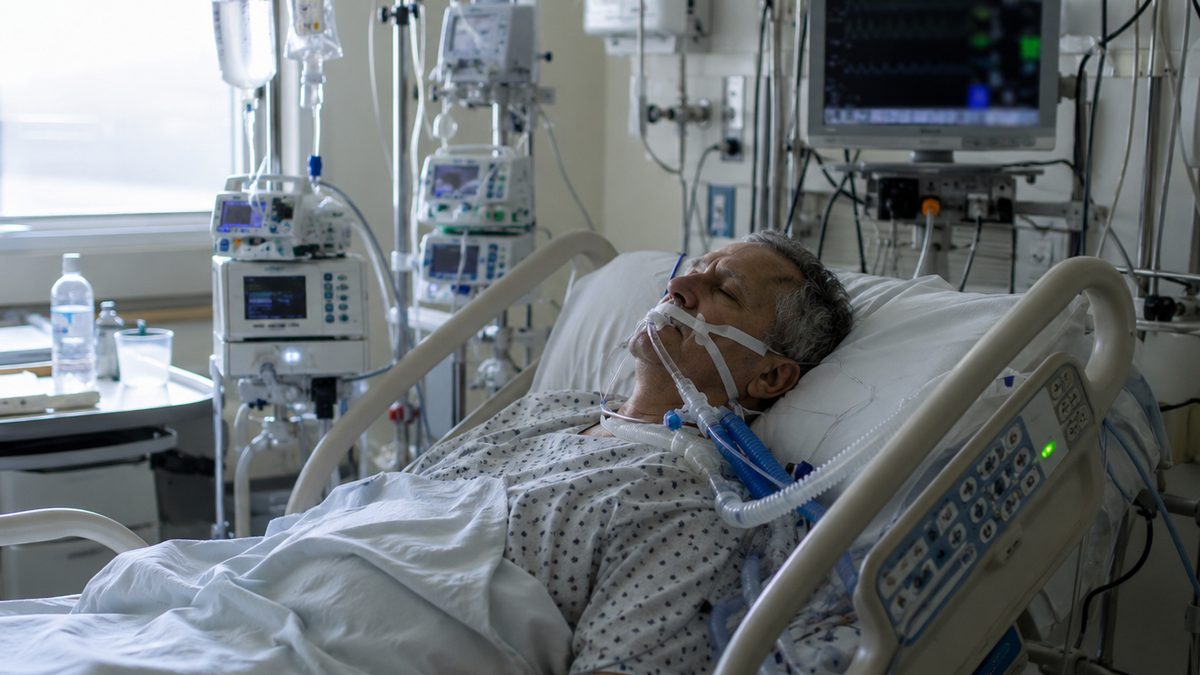
CDC Report Highlights Risks For Americans Traveling For Cosmetic Procedures
A new CDC report gives patients a practical reason to ask harder safety and follow-up-care questions before traveling for cosmetic procedures.
Save Article
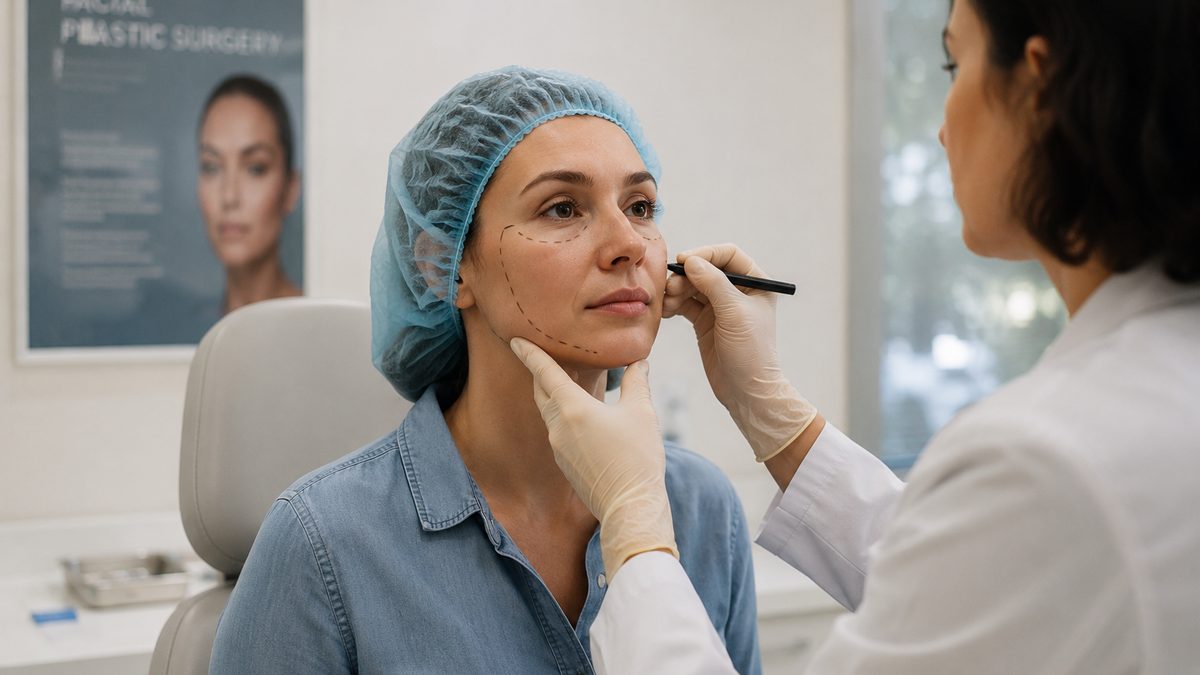
Patients considering medical travel may need to weigh cost and convenience against follow-up care and safety risks. Editorial illustration by TheDailyGlobe.
Key Facts
- CDC highlighted adverse outcomes linked to travel-associated cosmetic procedures.
- The related study was published in CDC's Emerging Infectious Diseases journal.
- CDC said patients considering procedures abroad should understand risks and consult health professionals before travel.
- The report does not mean every procedure, provider or destination is unsafe.
- Important unknowns remain, including how many complications go unreported.
People travel for cosmetic procedures for many reasons: cost, access, timing, privacy, convenience or preference for a specific provider. Those decisions can be personal, and they are not automatically reckless.
But a new CDC report gives patients a practical reason to slow down and ask more safety questions before booking care far from home. The agency highlighted adverse outcomes linked to travel-associated cosmetic procedures, drawing on a related study published in CDC's Emerging Infectious Diseases journal.
The point is not to shame patients or suggest every cosmetic procedure abroad is unsafe. It is to make clear that travel can complicate health decisions, especially when infection risk, follow-up care and medical records become harder to manage after a patient returns home.
Why Patients Travel For Care
Medical travel can appeal to patients when procedures are less expensive elsewhere, when appointment timing is easier, or when a provider markets a result the patient wants. Cosmetic procedures can also involve strong personal expectations, social pressure and financial tradeoffs.
Those realities matter because patient safety advice works best when it treats people like adults making complicated choices. A person considering a procedure may not need a lecture. They may need clear questions to ask before money is paid, travel is booked or recovery plans are made.
The most practical issue is continuity of care. A procedure done far from home may leave a patient with limited access to the original clinician if swelling, pain, infection signs or other complications appear after returning.
What CDC Highlighted
CDC highlighted adverse outcomes tied to travel-related cosmetic procedures among U.S. residents. The agency's release and journal study focused attention on complications that can follow procedures performed away from a patient's usual medical system.
Infection risk is one concern. So is the ability to get timely follow-up care, share complete medical records and understand what to do if symptoms develop after travel. These are not small details. They can shape whether a complication is caught early or becomes harder to treat.
CDC said patients considering procedures abroad should understand the risks and consult health professionals before travel. That guidance is important because a clinician may help a patient think through medications, existing health conditions, recovery time and warning signs that deserve urgent care.
What The Report Does Not Prove
The report should not be read as proof that all cosmetic procedures are unsafe, or that all medical travel is dangerous. It also should not be used to make broad claims about every facility or country.
Specific facility failures or country-level risks should be stated only when directly supported. Patients may face different risks depending on the procedure, provider, setting, infection-control practices, travel plans and their own health history.
Another unknown is reporting. CDC and researchers can identify documented complications, but it remains unclear how many complications go unreported or are treated without being connected back to travel-related procedures.
Questions Patients Can Ask
This is not medical advice, but the report points to practical questions patients can discuss with licensed health professionals. What are the risks for this specific procedure? What infection-control standards does the facility follow? What happens if there is a complication after the patient returns home?
Patients can also ask who will provide follow-up care, how medical records will be shared, what symptoms should prompt urgent attention and whether travel soon after the procedure could add risk. Those questions matter whether care is across a border, across the country or simply outside a patient's usual health system.
Cost should also be weighed carefully. A lower upfront price may not include follow-up visits, emergency care, travel changes, time away from work or treatment for complications.
What To Watch Next
The next things to watch are CDC guidance, additional research on reported complications and any public health updates that identify clearer patterns in procedure type, setting or follow-up-care gaps.
For patients and families, the takeaway is straightforward: medical travel is a health decision, not just a shopping decision. Before traveling for a cosmetic procedure, patients should understand the risks, speak with qualified health professionals and make sure there is a realistic plan for care after the procedure is over.
Reporting note: Reporting draws on CDC public health materials, CDC Emerging Infectious Diseases research, reputable health reporting, and reviewed background materials. This article was produced with AI-assisted research and reviewed by an editor before publication.