Measles Cases Near 2,000 as Health Agencies Track U.S. Outbreaks
CDC reported 1,983 confirmed U.S. measles cases in 2026 as of May 28, putting renewed attention on schools, families and local health departments.
Save Article

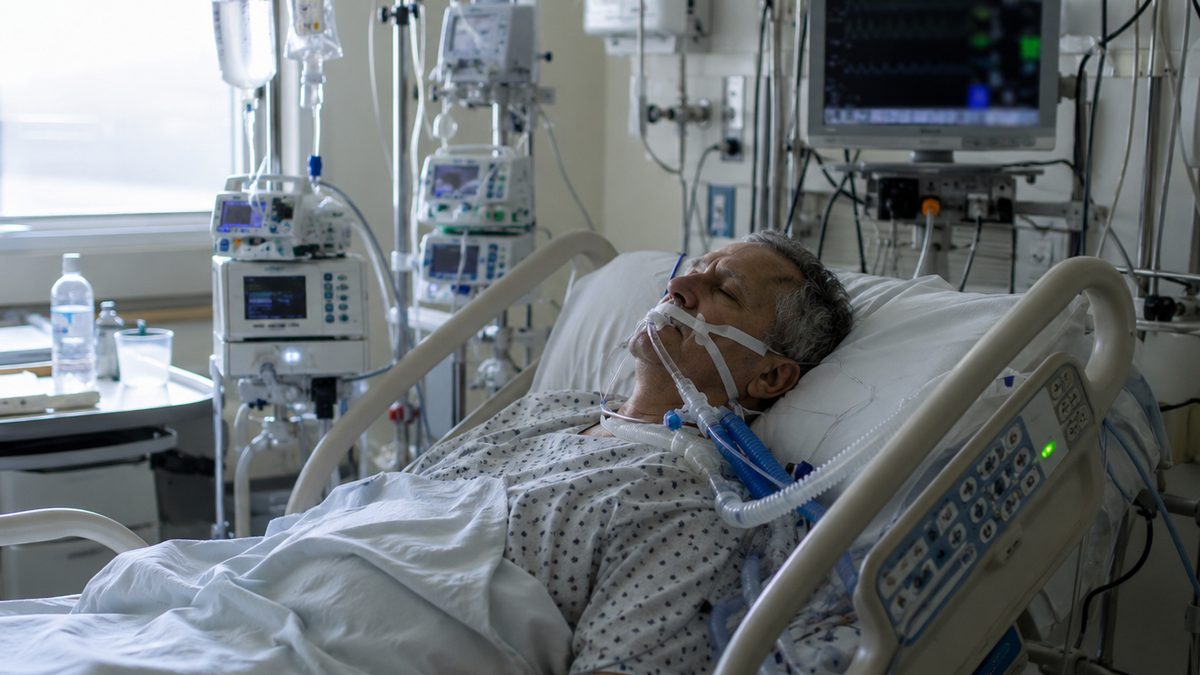
Public health officials are tracking measles cases as schools and families respond to exposure risks. Editorial illustration by TheDailyGlobe.
Key Facts
- CDC reported 1,983 confirmed U.S. measles cases in 2026 as of May 28.
- CDC says measles is highly contagious.
- CDC says two doses of the MMR vaccine provide the best protection.
- Johns Hopkins maintains a U.S. measles tracker comparing outbreaks across states.
- The future pace of new cases remains unclear and may change with weekly updates.
For families and schools, a measles outbreak can become real through a notice from a health department, a call from a school nurse, or a warning that someone may have been exposed in a classroom, clinic, airport, church, store or community event.
That is the practical meaning behind the latest national numbers. CDC reported 1,983 confirmed U.S. measles cases in 2026 as of May 28, a count that public health agencies are tracking as outbreaks continue across parts of the country.
The number does not mean every community faces the same risk. Measles outbreaks are local and depend heavily on exposure patterns, vaccination coverage, school settings, travel and how quickly health departments can identify contacts. But the national count shows why public health officials are paying close attention.
Why the Case Count Matters
Measles is not just a rash illness that appears and fades quietly. CDC describes it as highly contagious, which means one case can quickly become a school, clinic or community concern if exposed people are not protected.
That is why case counts matter to more than public health specialists. Parents may need to watch for school notices. Pediatric offices may need to answer more questions. Local health departments may need to trace exposures, contact families and issue public alerts. Schools may need to coordinate with state and local officials when a case affects students or staff.
The national number also helps show whether outbreaks are isolated or part of a wider pattern. Johns Hopkins’ U.S. measles tracker provides additional state-by-state outbreak context, giving officials and the public another way to see where cases are being reported.
What CDC Says About Protection
CDC says two doses of the MMR vaccine provide the best protection against measles. That guidance is important because vaccination coverage affects how easily the virus can spread after an exposure.
This article is not medical advice. Families with questions about vaccination, symptoms, exposure or individual health risks should look to CDC materials, state or local health departments, and their own health care providers.
The public-health point is straightforward: when measles enters a community, vaccination status, fast reporting and clear communication can shape how far an outbreak reaches.
How Outbreaks Affect Schools and Families
Schools are a central concern because children spend long hours together indoors, and exposure notices can quickly create anxiety for parents. A single case can require health officials to identify who may have been exposed and whether anyone needs follow-up based on local rules and health guidance.
For families, the disruption can be practical as well as medical. Parents may need to review records, respond to school notices, check health department updates or call a doctor. Schools may need to send communications, coordinate with public health agencies and manage concerns from families who want clear information.
Health departments carry much of the burden. They track confirmed cases, investigate exposures, communicate with schools and clinics, and update the public when there is a known risk in a community setting.
What Remains Unclear
Several questions remain open. It is not clear whether the pace of new cases will continue, slow or accelerate. It is also not clear which communities will face new exposures or whether school-related disruptions will become more common in certain areas.
Another question is whether the United States will face broader concerns about measles elimination status. The current case count is serious enough to draw attention, but changes in national status depend on public health criteria and the course of ongoing transmission.
The local picture may also shift quickly. A national total can tell readers the size of the issue, but state and local updates are often more useful for understanding immediate exposure risk.
What to Watch Next
The next useful updates will come from CDC’s weekly measles data, state health department notices, school communications and public exposure advisories. Families should pay attention to official local notices because those will give the clearest information about nearby cases or exposure sites.
For now, the clearest takeaway is measured but important: measles cases have risen high enough in 2026 that families, schools and health departments are being asked to pay attention, while the next few weeks of data will show whether outbreaks are slowing or continuing to spread.
Reporting note: Reporting draws on CDC public health data, CDC measles guidance, Johns Hopkins outbreak tracking, and reviewed background materials. This article was produced with AI-assisted research and reviewed by an editor before publication.