Hantavirus Quarantine Update Shows How Officials Manage Rare Travel-Linked Outbreaks
Five cruise passengers left a Nebraska quarantine facility to complete monitoring at home, offering a calm look at how health officials manage rare travel-linked exposure events.
Save Article

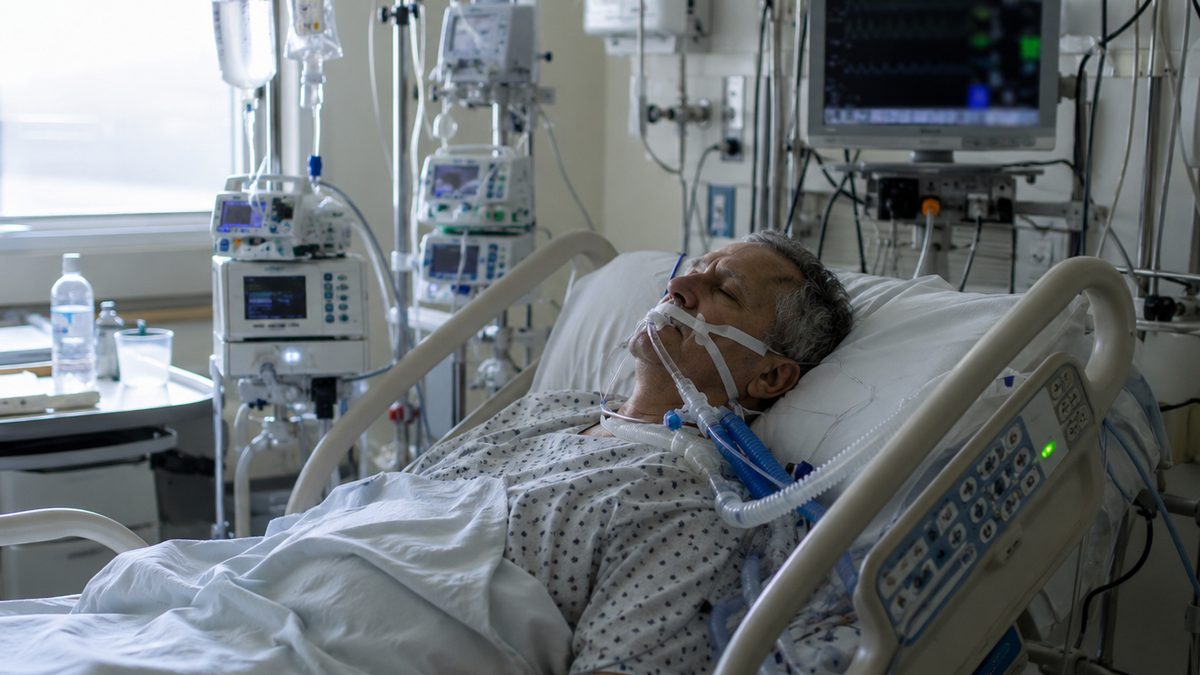
Public-health monitoring is often designed to manage rare risks before they become broader problems. Editorial illustration by TheDailyGlobe.
Key Facts
- AP reported that five American cruise passengers left a Nebraska quarantine facility to complete monitoring at home.
- CDC issued a Health Alert Network advisory about a multi-country hantavirus cluster linked to a cruise ship.
- WHO reported that the outbreak involved severe respiratory illness among cruise passengers and crew.
- Johns Hopkins said the current U.S. public risk was extremely low.
- It remains unclear whether all monitored passengers will remain symptom-free or whether additional travel-linked cases will be identified.
Being monitored after a possible disease exposure is stressful even when the broader public risk is low. For travelers, it can mean days of waiting, phone calls from health officials and uncertainty about whether symptoms will appear.
Five American cruise ship passengers left a Nebraska quarantine facility to complete monitoring at home, the Associated Press reported June 2. The passengers had been part of public-health monitoring tied to a rare hantavirus cluster linked to cruise ship travel.
The update is not a reason for panic. It is a look at how health officials manage rare exposure events that cross borders, involve travel and require coordination among hospitals, federal agencies and state or local health departments.
Why Monitoring Continued At Home
Public-health monitoring does not always mean someone is sick. It can also mean health officials are watching for symptoms after a possible exposure, especially when the disease is rare and the exposure may have happened during travel.
Moving from facility quarantine to home monitoring suggests officials believed continued observation could happen outside the Nebraska facility. The AP report confirms the change in monitoring location, but monitoring itself was still continuing.
For the passengers and their families, that may be a meaningful step. Home monitoring can still involve restrictions or instructions from health officials, but it can also move people out of a medical facility while public-health agencies keep watch.
What Health Agencies Reported
CDC issued a Health Alert Network advisory about a multi-country hantavirus cluster linked to a cruise ship. WHO also reported on the cluster, describing severe respiratory illness among cruise passengers and crew.
Those notices help explain why monitoring was used. Travel-linked outbreaks can require agencies in different places to compare timelines, identify who may have been exposed and alert clinicians who might see patients later.
Hantavirus is not a routine travel concern for most people. In this case, health authorities treated the cluster as something that needed careful tracking, not broad public alarm.
What The Public Risk Means
Johns Hopkins said the current U.S. public risk was extremely low. That is an important distinction: a serious illness can require close monitoring for exposed people while still posing little risk to the general public.
Health agencies often communicate in two directions at once during rare outbreak events. They need to be direct enough that clinicians and exposed travelers know what to watch for, but careful enough not to make people think the risk is wider than officials have reported.
That balance matters because public trust depends on clear limits. Officials can say a cluster is serious for the people involved while also saying the broader risk remains low if that is what the evidence supports.
What Remains Unclear
Several questions remain open. Health officials have not yet said whether all monitored passengers will remain symptom-free. It is also unclear whether any additional travel-linked cases will be identified as monitoring and follow-up continue.
State and local health departments may also handle home monitoring differently depending on where travelers live, what guidance they receive and whether symptoms develop. Those details matter, but they should come from health officials rather than guesswork.
The next updates to watch are CDC notices, state or local health department guidance and any further reporting on the passengers completing monitoring at home. For now, the key point is narrow: a rare travel-linked cluster led to careful monitoring, and some passengers are now continuing that process outside a quarantine facility.
Reporting note: Reporting draws on Associated Press reporting, CDC health alerts, World Health Organization outbreak notices, Johns Hopkins medical context, and reviewed background materials. This article was produced with AI-assisted research and reviewed by an editor before publication.