Fare Hikes and Service Cuts Are Pushing Commuters Away From Public Transit
Ridership on major urban transit systems remains well below pre-pandemic levels, and a new round of fare increases from New York to Chicago is testing how much more riders will absorb before returning to their cars.
Save Article

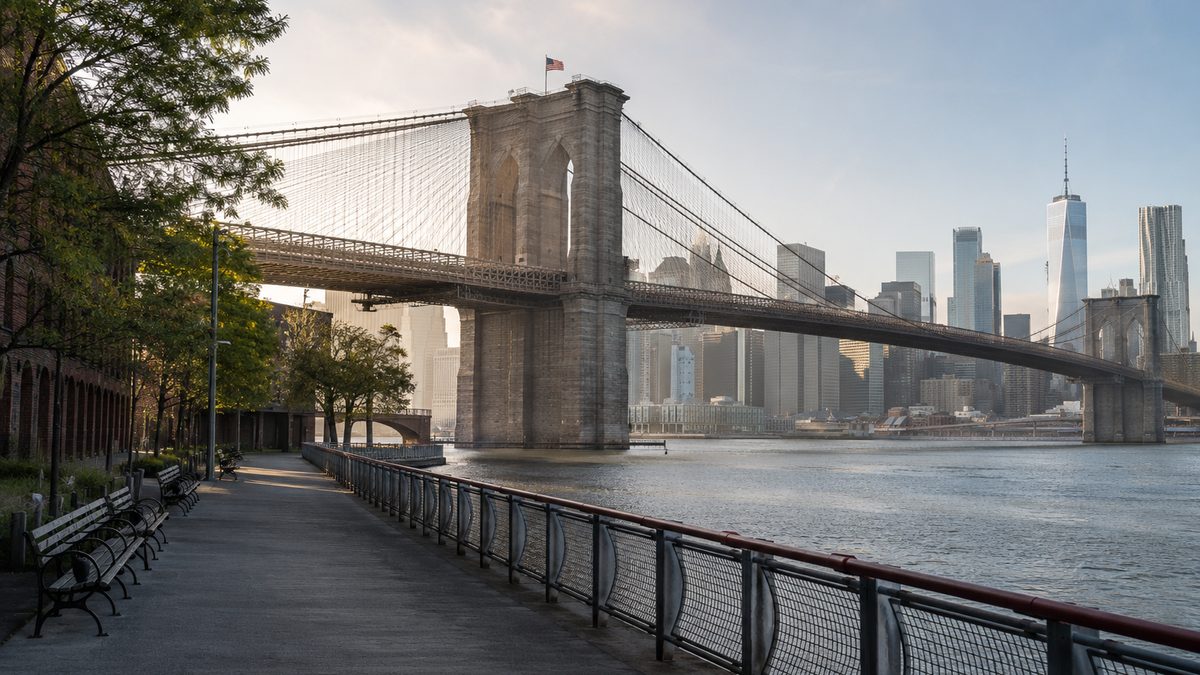
Ridership on major urban transit systems remains well below pre-pandemic levels, and a new round of fare increases from New York to Chicago is testing how much more riders will absorb before returning to their cars. Editorial illustration by TheDailyGlobe.
Five years after the COVID-19 pandemic upended daily commuting patterns, the nation's public transit systems are caught in a difficult bind: ridership has not fully recovered, operating costs have risen sharply, and the federal relief money that kept buses and trains running is nearly gone. The response from agencies in New York, Chicago, and elsewhere has been to raise fares — a move that transit advocates warn could accelerate the very ridership decline it is meant to offset.
In New York, the Metropolitan Transportation Authority board voted 11 to 0 on September 30, 2025, to approve a fare increase taking effect January 4, 2026. The base fare for subways and local buses will rise from $2.90 to $3.00 — the first increase since 2023. A single-ride ticket will increase from $3.25 to $3.50. The MTA framed the change as modest and below the rate of inflation, noting that if the base fare had kept pace with inflation since the last increase, it would cost $3.14 today.
In Chicago, the picture is more dire. The Chicago Transit Authority released its proposed 2026 budget on October 13, 2025, calling for the agency's first fare increase since 2018. Bus rides would increase from $2.25 to $2.50, and train rides from $2.50 to $2.75, starting February 1. Monthly passes would rise from $75 to $85. Acting CTA president Nora Leerhsen said the increases would generate roughly $30 million to $35 million in additional annual revenue — a fraction of the agency's overall budget gap.
The CTA's financial crisis is driven by the same forces squeezing transit agencies across the country: the depletion of one-time federal pandemic relief grants and ridership numbers that have not returned to pre-2020 levels. CTA ridership is currently running at about 70 percent of pre-pandemic figures, according to the agency. Without new funding from the Illinois state legislature, the CTA has warned it may be forced to cut bus and rail service by as much as 25 percent beginning in the summer of 2026 — what Leerhsen called 'the single-largest transit service cut in the modern history of the Chicago Transit Authority.'
The regional funding shortfall for Chicago-area transit agencies — which include the CTA, commuter rail service Metra, and suburban bus agency Pace — was initially estimated at more than $770 million for 2026. The Regional Transportation Authority revised that figure downward to approximately $200 million in October, citing projected increases in state sales tax revenue. But the RTA warned that without new state funding, the gap would balloon back to $790 million in 2027 and beyond.
The national picture is similarly troubled. A report published in May 2025 by the U.S. Government Accountability Office examined the nation's 31 commuter rail systems and found that while service levels had largely recovered, ridership had not. As of the second half of 2024, only six systems had recovered to or near their 2019 ridership levels. The remaining 25 systems were still below pre-pandemic figures. Fare revenue across all commuter rail systems was 31 percent lower in fiscal year 2023 compared to 2019, the GAO found, forcing agencies to rely more heavily on federal, state, and local subsidies.
The GAO report also noted that operating costs had risen sharply — up 28 percent in nominal terms across all commuter rail systems between 2019 and 2023 — driven largely by inflation and higher labor and materials costs. As of February 2025, officials from 15 of 22 commuter rail systems that responded to a GAO survey said they had no COVID-19 relief funding remaining.
Transit advocates have long argued that fare increases, particularly when paired with service reductions, create a self-reinforcing cycle: higher prices and less reliable service drive riders away, which reduces revenue, which leads to further cuts and further fare increases. The CTA acknowledged as much in its own budget documents, warning that potential service cuts 'may kick off a downward spiral where transit service continuously becomes less useful and reliable for the region, causing further declines in ridership and leading to further cuts.'
Some agencies have tried to soften the impact of fare increases through targeted affordability measures. The MTA, for instance, is making its seven-day rolling fare cap permanent: riders who pay for 12 trips in any seven-day period automatically ride free for the remainder of the week, with no pre-payment required. The agency said no customer will pay more than $35 for subway and local bus rides in a week. The CTA has not announced equivalent protections for its lowest-income riders.
The Trump administration has added another layer of uncertainty for some systems. In October 2025, the administration announced it was withholding approximately $2.1 billion in federal funding for CTA capital projects — including the planned Red Line extension — while the government investigates the agency's contractor diversity requirements. The CTA said it was proceeding with the extension as planned, but the freeze added to an already fraught financial environment.
Illinois state lawmakers were expected to take up transit funding legislation during a fall veto session in October 2025. Transit advocates and agencies had sought roughly $1.5 billion in new annual state funding to stabilize the regional system and allow for service improvements. A similar effort during the spring legislative session in May 2025 failed to advance.
For now, riders in the nation's largest cities are being asked to pay more for systems that, by most measures, are still delivering less than they did before the pandemic. Whether that calculation drives more commuters back to their cars — or whether agencies can stabilize their finances and rebuild ridership — will depend in large part on decisions being made in state capitals and city halls over the coming months.
Reporting note: Reporting draws on the U.S. Government Accountability Office report GAO-25-107511 (May 2025) on commuter rail ridership recovery; the Metropolitan Transportation Authority Board resolution and fare change materials approved September 30, 2025; the Chicago Transit Authority proposed 2026 budget released October 13, 2025; and coverage from WBEZ Chicago, the Chicago Tribune, and WTTW News published October 13–14, 2025. All figures, vote tallies, and fare amounts have been verified against primary agency documents. This article was produced with AI-assisted research and reviewed by an editor before publication.