Car Insurance Is Still Eating Into Family Budgets
Auto insurance remains a major household bill for families who need cars for work, school, child care, errands and small-business income.
Save Article
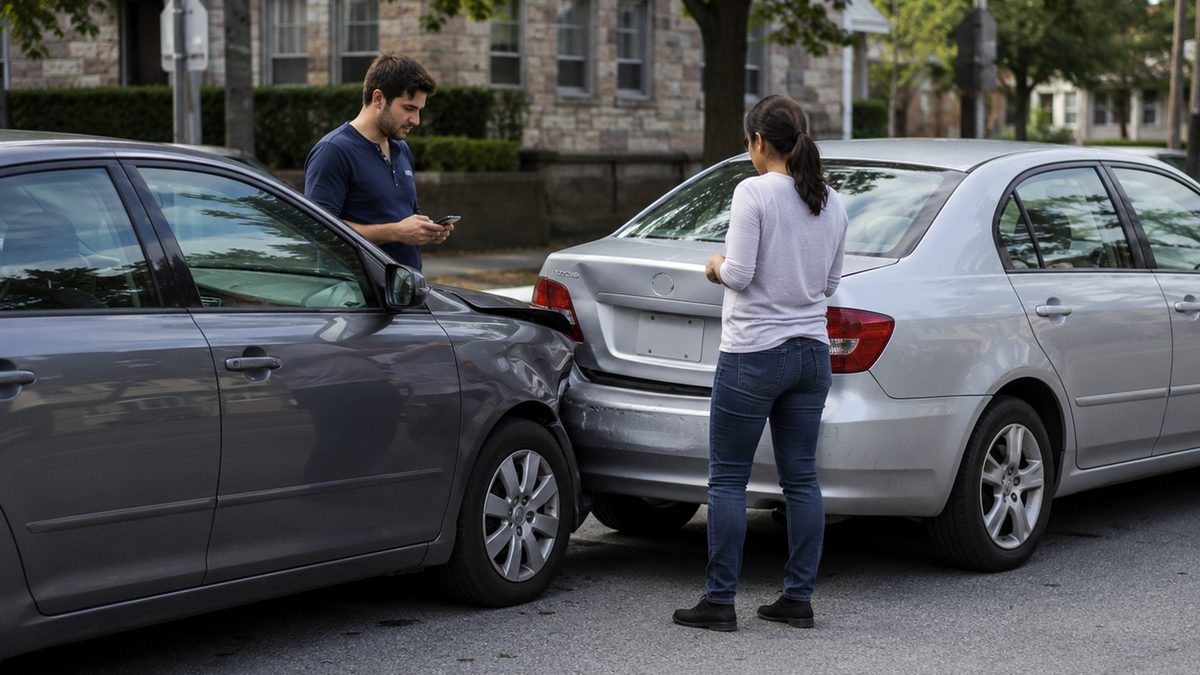
Car insurance remains a major monthly cost for families who depend on vehicles for work, school, and errands. Editorial illustration by TheDailyGlobe.
Key Facts
- The Zebra’s 2026 State of Insurance auto report said the average annual auto-insurance premium was $2,256.
- The Zebra said that figure was up 3 percent from the previous year.
- BLS tracks motor vehicle insurance as part of the Consumer Price Index.
- Insurance costs can vary widely by state, driver history, vehicle type, insurer and other rating factors.
- Available data does not show that every driver saw the same increase.
A car insurance renewal can quietly change a family’s whole month. The car still has to get someone to work. It still has to take kids to school, daycare, appointments and the grocery store. But when the insurance bill rises, the rest of the budget has to make room.
For many working families, a vehicle is not a luxury. It is the thing that makes work possible. That is why auto insurance belongs in the same family-budget conversation as groceries, gas, rent, utilities and child care. The bill may arrive only once a month, or every six months, but the pressure is steady.
Recent auto-insurance data points to a cost that remains elevated. The Zebra’s 2026 State of Insurance auto report said the average annual auto-insurance premium was $2,256 in 2026, up 3 percent from the previous year. The Bureau of Labor Statistics also tracks motor vehicle insurance as part of the Consumer Price Index, placing it inside the wider cost-of-living picture families watch every month.
Why This Bill Hits Working Families Hard
Car ownership is expensive even before insurance is added. Families may already be paying for gas, repairs, tires, registration, inspections, parking, tolls or a car loan. Insurance sits on top of those costs, and unlike some purchases, it is not easy to avoid if a family needs to drive.
That makes the insurance bill a work-related cost for many households. A parent may need a car to reach a job site before sunrise. A nurse may need it for shifts. A contractor may need it to carry tools. A service worker may need it because public transportation does not match the job schedule. A parent may need it to connect work, school pickup, child care and errands in the same day.
For lower-middle-income families, the problem is often not one bill by itself. It is the stack. A higher insurance payment can land in the same month as a grocery increase, a summer electric bill, a child care payment or a car repair. When there is little slack, a rate increase does not feel like a small line item. It feels like one more thing cutting into the paycheck before the family can breathe.
What the Insurance Data Can and Cannot Tell You
The Zebra’s figure gives readers a useful benchmark, but it should be read as a consumer estimate based on that company’s methodology. It is not a promise that every driver pays that amount or saw that increase. Insurance pricing can vary widely by state, driving record, vehicle, coverage type, insurer and other factors.
That variation matters. Two families with similar incomes can face different insurance bills because they live in different states, drive different vehicles or have different histories with claims and violations. A family with a teenager on the policy may face a very different bill from a retiree or a single commuter. A household with an older car may make different coverage choices from one with a newer vehicle.
BLS data provides a broader official view by tracking motor vehicle insurance within consumer prices. That helps show auto insurance as part of the wider inflation and household-cost picture. But CPI data also has limits for individual families. It can show category movement, not the exact renewal notice sitting on a kitchen counter.
The Main Street Side of Auto Insurance
Auto insurance costs do not stop with household commuters. They also affect people whose work depends directly on driving. Contractors, delivery workers, rideshare drivers, home-service businesses, cleaners, landscapers, repair technicians and other small operators may all feel transportation costs in their income.
For a small business, vehicle costs can shape pricing, scheduling and whether it can afford to add another worker or another truck. For workers, the cost of staying insured can affect whether a job across town is worth it. For local employers, transportation costs can quietly affect who can reliably show up.
That does not mean insurance alone decides the labor market. But it is part of the practical math behind work. If a family needs a car to earn a paycheck, then the cost of insuring that car becomes part of the cost of working.
What Remains Unclear
The biggest unanswered question is whether auto-insurance rates will stabilize through the rest of 2026. The available data shows continued pressure, but it does not prove what each insurer, state or household will see later this year.
It also remains unclear how many families are changing coverage decisions because of cost. Some drivers may compare policies, raise deductibles, reduce coverage, delay adding a vehicle or make other changes. But those choices vary, and this data does not support a single national conclusion about what families are doing.
State-level differences are also important. Insurance rules, repair costs, claims patterns, vehicle values, weather risk and local market conditions can all affect what drivers pay. That is why a national number can be useful while still falling short of explaining one family’s bill.
What to Watch Next
The next signals to watch are CPI motor vehicle insurance data and state-level insurance filings. Together, they can help show whether pressure is easing, holding steady or continuing to build.
For families, the issue is already clear enough: car insurance is one of the bills that can make car ownership feel heavier, even when the car itself is necessary. Gas prices and car prices often get more attention, but insurance is part of the same monthly transportation burden.
A family does not need an economic report to know when the renewal notice hurts. The value of the data is that it confirms the bill is not just an annoyance. For many households, auto insurance is one more required cost standing between a paycheck and everything else that paycheck is supposed to cover.
Reporting note: Reporting draws on Bureau of Labor Statistics consumer price data, consumer auto-insurance estimates, public insurance context, and reviewed household budget materials. This article was produced with AI-assisted research and reviewed by an editor before publication.