DHS Budget Hearing Puts Immigration, Airports And World Cup Security In One Debate
A Senate hearing on DHS funding connected immigration enforcement with airport operations, detainee treatment concerns and security planning for the 2026 World Cup.
Save Article
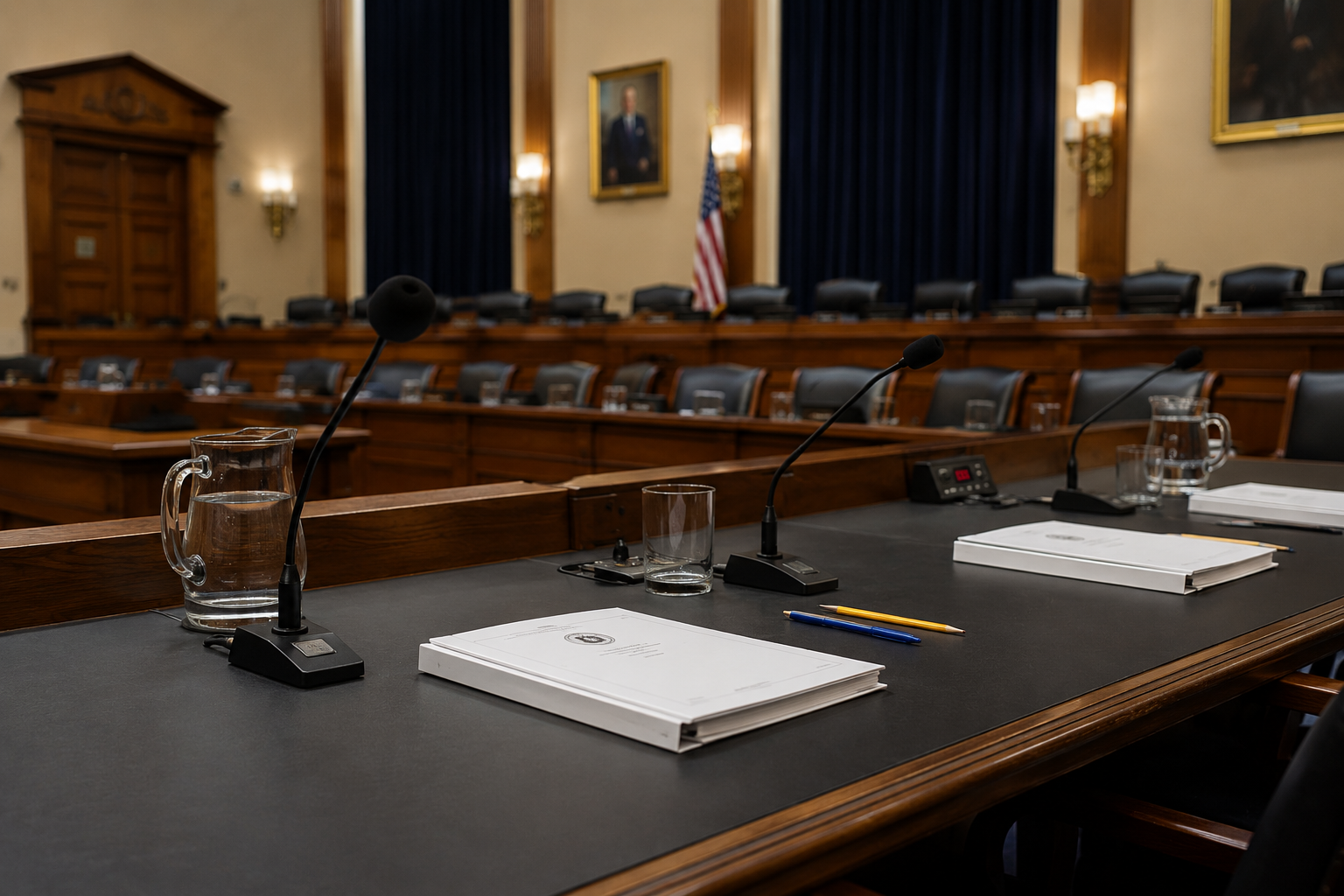
Federal budget hearings can affect public systems that reach far beyond Washington. Editorial illustration by TheDailyGlobe.
Key Facts
- DHS Secretary Markwayne Mullin testified before a Senate Appropriations subcommittee on June 2 about the department's fiscal year 2027 budget request.
- The Senate Appropriations Committee listed the hearing as a review of the president's FY 2027 budget request for DHS.
- AP reported that the hearing included scrutiny of immigration enforcement funding, detainee treatment concerns, possible airport staffing effects and World Cup security.
- DHS has a World Cup 2026 Commission tied to security and event-planning advice.
- Congress has not settled the long-term funding path or the operational consequences for DHS programs.
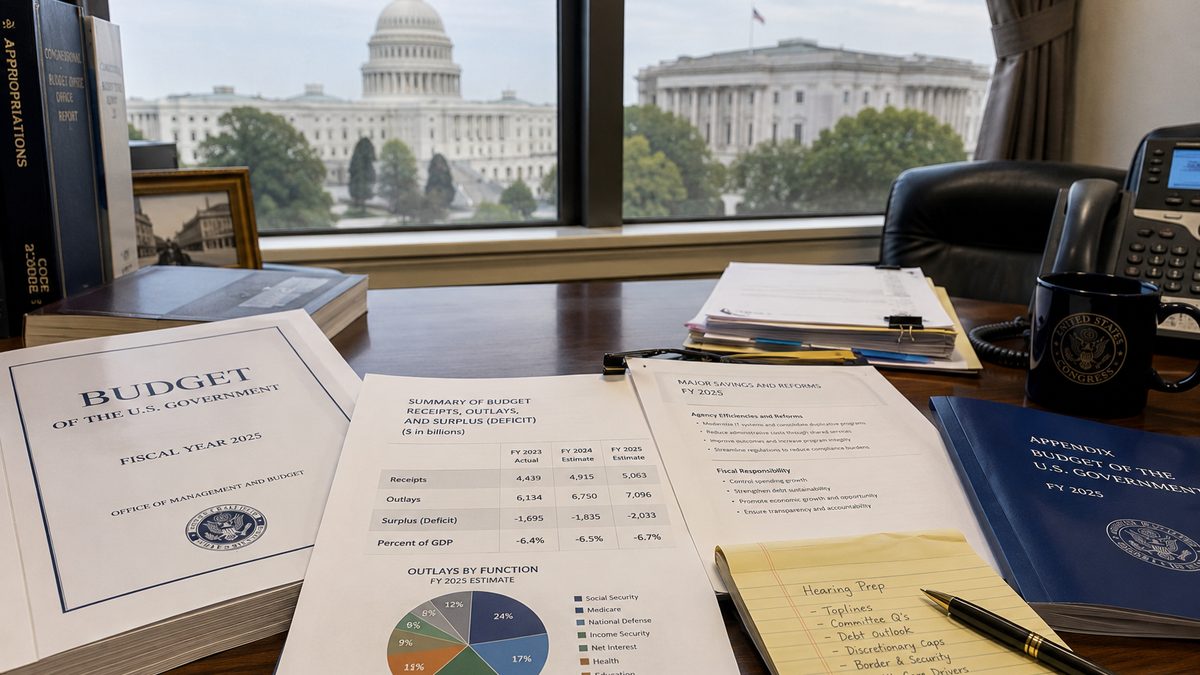
The Department of Homeland Security budget is not only a Washington spending fight. It can touch airport lines, immigration arrests, detention conditions, local law enforcement partnerships and security planning for major public events.
That broader reach was on display June 2, when DHS Secretary Markwayne Mullin testified before a Senate Appropriations subcommittee on the department's fiscal year 2027 budget request. The Associated Press reported that lawmakers pressed the department on immigration enforcement funding, detainee treatment concerns, possible airport staffing effects and security planning for the 2026 World Cup.
The hearing matters because DHS is one of the federal government's most visible agencies in everyday life. Its work shows up at airports, borders, ports, disaster response operations, detention facilities and large-event security plans.
Why The Budget Fight Matters Outside Washington
A federal budget hearing can sound procedural, but DHS funding decisions can move quickly into public-facing systems. Staffing choices can affect airport screening and customs processing. Enforcement funding can affect immigration operations. Detention funding can affect conditions inside facilities. Major-event security planning can shape how federal, state and local agencies work together.
That does not mean every concern raised at a hearing will become a real-world disruption. Hearings are part oversight, part budget review and part political argument. But they help show where lawmakers see pressure points and where agencies may be asked to explain how their plans would work.
For readers, the practical question is simple: if Congress changes DHS funding, what parts of the system would feel it first?
Immigration Enforcement Was At The Center
AP reported that immigration enforcement funding was one of the central subjects at the hearing. That includes questions about how much money should go toward enforcement operations and how the department handles people in custody.
Critics raised concerns about detainee treatment, according to the AP reporting. Those concerns should be understood as criticism raised in the context of the hearing, not as a final legal finding by Congress. DHS and administration officials may defend enforcement priorities differently, and those claims should be weighed separately from lawmakers' criticism.
The funding issue also affects local communities. Immigration enforcement can involve federal officers, detention contractors, immigration courts, local law enforcement cooperation and transportation systems. A budget increase, cut or shift can change more than an agency spreadsheet.
Airports And Travel Were Part Of The Concern
The hearing also raised questions about whether DHS operations could affect airport staffing or customs processing. That matters because DHS agencies help manage airport security, border screening and international arrivals.
There is no confirmed finding in the provided reporting that airport disruptions will happen. The important point is that lawmakers treated airport operations as a budget concern worth questioning. Any real disruption would depend on staffing decisions, funding levels, agency priorities and travel demand.
For travelers, that means the next useful information will not come from hearing-room arguments alone. It will come from DHS staffing decisions, airport operations updates and whether Congress funds the department in a way that changes front-line capacity.
World Cup Planning Adds Another Layer
The 2026 World Cup adds a different kind of pressure. The tournament will bring major security and travel planning demands, and DHS has a World Cup 2026 Commission tied to security and event-planning advice.
Large international events require coordination among federal agencies, local governments, law enforcement, transportation systems and event organizers. DHS does not manage every part of that system, but its role in security planning, border operations and transportation security makes the department part of the broader preparation.
The unresolved question is how DHS will balance regular enforcement demands with event-security planning as the tournament approaches. That balance may become more important if staffing, travel volume or immigration enforcement needs compete for attention.
What To Watch Next
The next steps are congressional funding negotiations, follow-up hearings and any DHS statements explaining how the department plans to manage immigration enforcement, airport operations and World Cup security at the same time.
The House may also press its own questions, and Senate appropriators will have to decide how much of the department's request to support, change or reject. Until Congress acts, the budget path remains unsettled.
The hearing showed why DHS funding debates rarely stay inside Washington. The decisions can reach travelers, detainees, airport workers, local police departments and eventgoers long after the microphones are turned off.
Reporting note: Reporting draws on congressional hearing records, Associated Press reporting, Department of Homeland Security materials, agency records, and reviewed background materials. This article was produced with AI-assisted research and reviewed by an editor before publication.