New Immigration Enforcement Law Locks In Billions for ICE and Border Patrol Through 2029
The Secure America Act provides roughly $70 billion for immigration enforcement and border security, creating a multi-year funding commitment that will shape federal operations beyond the current budget cycle.
Save Article
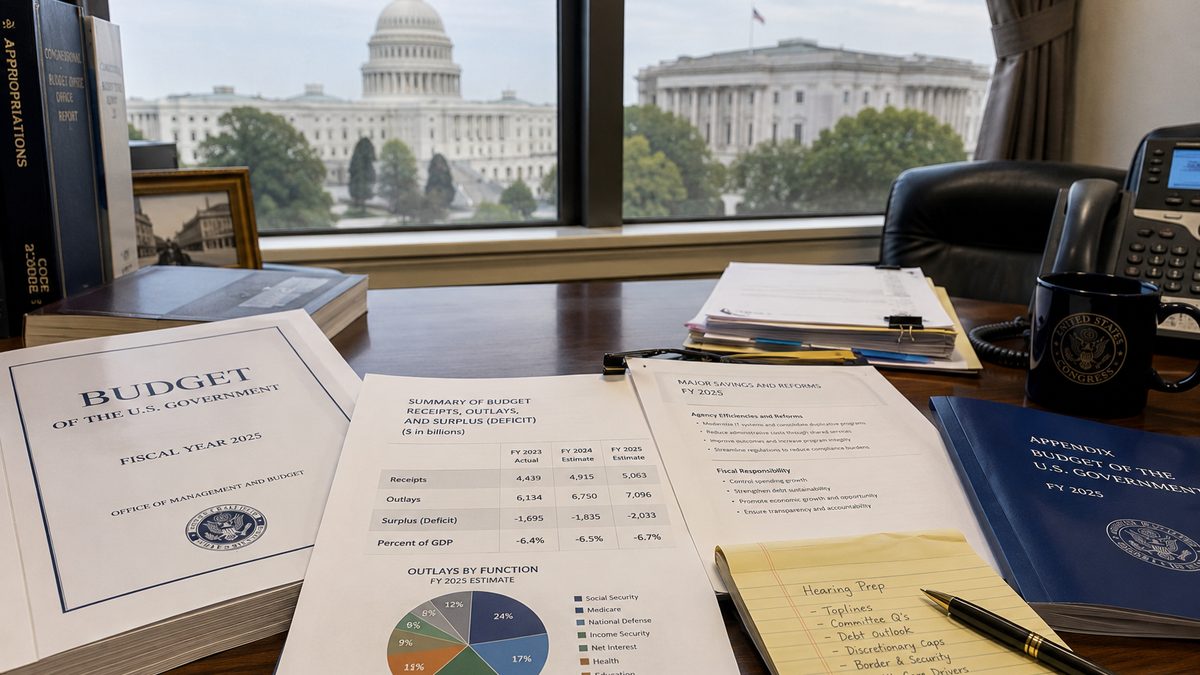
Federal funding laws can shape enforcement priorities long after the political fight ends. Editorial illustration by TheDailyGlobe.
Key Facts
- President Trump signed the Secure America Act after Congress cleared the legislation.
- The law provides roughly $70 billion for immigration enforcement and border security programs.
- Funding extends through 2029 rather than covering only a single budget year.
- ICE, Border Patrol and other Department of Homeland Security operations are among the intended recipients.
- Roll Call reported that the House approved the bill following a close vote.
Many political fights fade after a budget vote. This one may not. A newly signed immigration law commits federal enforcement funding for several years, meaning its effects will depend not only on what Congress approved but also on how agencies spend the money and how lawmakers oversee those decisions.
President Donald Trump signed the Secure America Act after Congress approved the measure, creating a multi-year funding stream for immigration enforcement and border security programs. Reporting and official statements describe the package as providing roughly $70 billion that will remain available through 2029.
More Than a One-Year Budget Decision
The most important feature of the law may be its duration. Federal funding debates often focus on annual appropriations, forcing agencies and lawmakers to revisit spending decisions every year. This legislation instead creates a longer funding horizon for immigration enforcement activities.
Supporters argue that stable funding gives agencies the ability to plan staffing, technology investments and operational needs over a longer period. The White House described the measure as fully funding key border-security and enforcement priorities.
Because the funding stretches through 2029, the law could influence agency operations well beyond the immediate political debate that surrounded its passage.
What the Law Funds
Public reporting and official summaries indicate that the funding supports immigration enforcement and border-security activities within the Department of Homeland Security. ICE, Border Patrol and related operations are expected to receive funding under the legislation.
What remains less clear is exactly how the money will be distributed among staffing, detention capacity, technology systems, facilities and day-to-day operations. Those implementation details are expected to emerge through agency planning and budget documents rather than from the law's headline funding total alone.
For readers trying to understand the practical impact, the key point is that the legislation changes the scale and time frame of federal enforcement resources. The precise mix of programs receiving funding will become clearer as DHS develops spending plans.
Where the Oversight Debate Begins
The political fight over passage may be over, but the accountability debate is only beginning. Large multi-year funding commitments often shift attention from legislative negotiations to oversight questions.
Supporters view the law as a necessary investment in enforcement capacity. Critics, including organizations that analyze immigration policy, argue that the size and structure of the funding package raise questions about detention capacity, implementation and long-term oversight. Those concerns remain policy arguments rather than established findings and should be understood as part of the ongoing debate surrounding the law.
The central public-accountability question is straightforward: once funding is approved, how will Congress monitor whether the money is being spent as intended? Oversight hearings, agency reports and budget reviews will likely play a major role in answering that question.
What We Still Do Not Know
Several important details remain unresolved. DHS has not yet publicly outlined a complete spending roadmap showing how funds will be phased across various enforcement activities through 2029.
It is also unclear what oversight schedule Congress will establish over the coming years. Large federal funding programs often generate reporting requirements, audits and hearings, but the exact process remains developing.
Another open question is whether litigation, state-level responses or operational constraints could affect implementation. While the law is now signed, the practical reality of carrying out large federal programs often evolves after legislation takes effect.
What Readers Should Watch Next
The next phase of the story will be less about votes and more about execution. Readers should watch for DHS spending plans, agency staffing announcements, congressional oversight activity and any court challenges tied to implementation.
The Secure America Act settles one question: Congress and the president approved a major multi-year enforcement funding package. The questions that remain are how the money will be spent, how results will be measured and how elected officials will hold agencies accountable over the years ahead.
Reporting note: Reporting draws on Associated Press reporting, congressional reporting, official White House materials, policy analysis, and reviewed background materials. This article was produced with AI-assisted research and reviewed by an editor before publication.