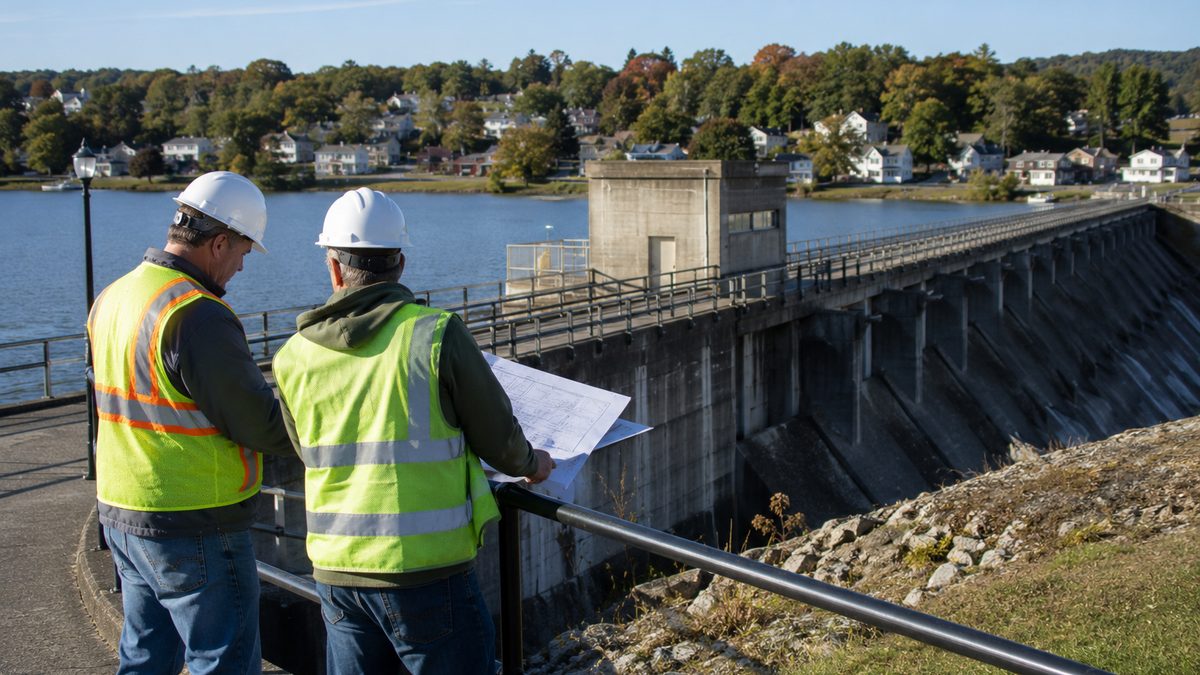
Cities Test New Traffic Safety Plans as Pedestrian Deaths Remain a Concern
Local governments are redesigning streets, lowering speed limits, and adding safer crossings as communities look for ways to reduce pedestrian and cyclist deaths.
Save Article
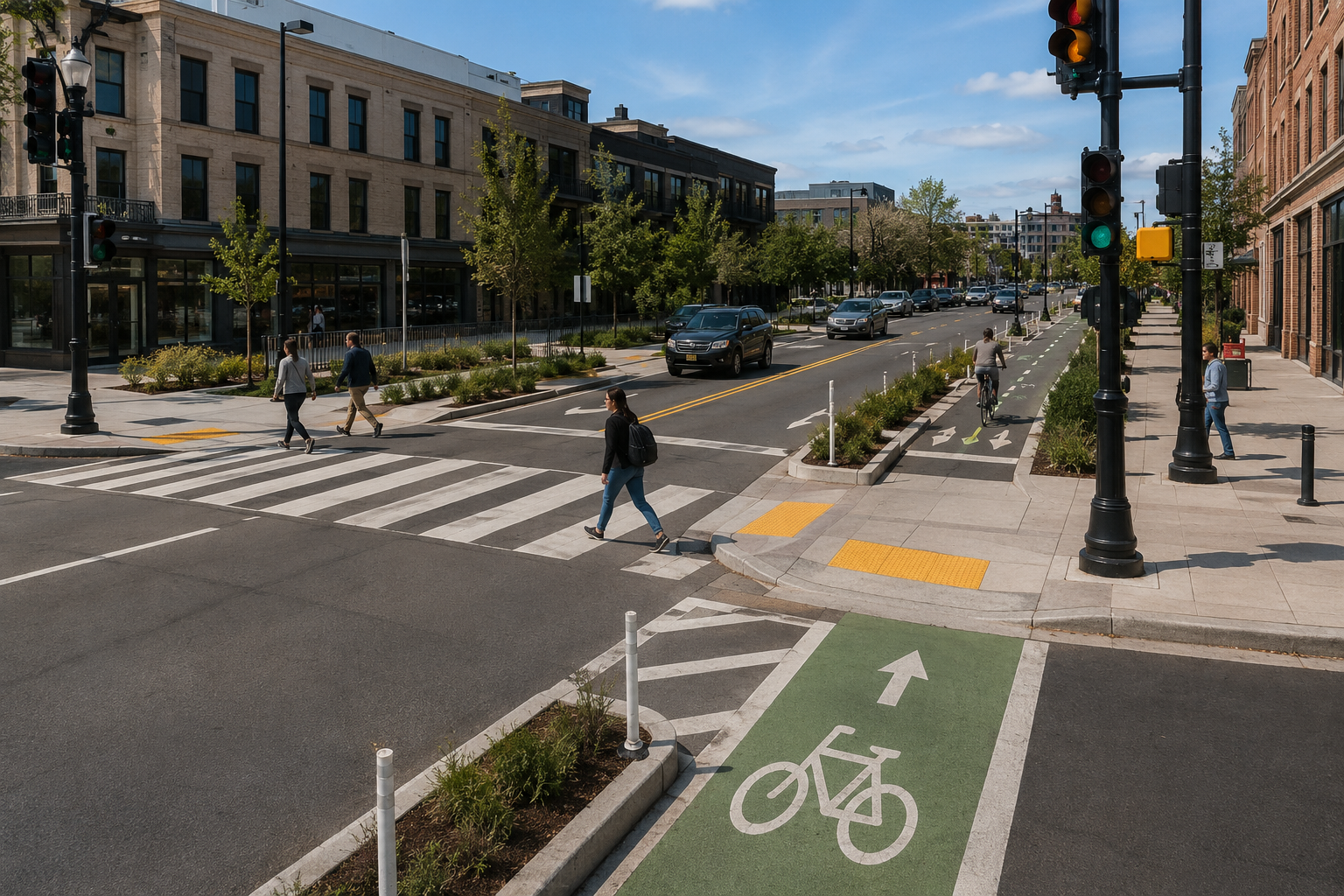
Local governments are redesigning streets, lowering speed limits, and adding safer crossings as communities look for ways to reduce pedestrian and cyclist deaths. Editorial illustration by TheDailyGlobe.
Key Facts
- Cities are increasingly treating traffic safety as a street design issue, not only an enforcement issue.
- Common changes include lower speed limits, safer crossings, protected bike lanes, and redesigned intersections.
- Pilot projects let communities test designs before permanent construction.
- High-risk corridors are often identified using crash data, traffic volume, and neighborhood conditions.
- Traffic safety plans can affect drivers, pedestrians, cyclists, transit riders, schools, and local businesses.
Cities across the United States are testing new traffic safety plans as local officials look for ways to reduce deaths and serious injuries involving pedestrians, cyclists, and drivers.
The efforts vary by community, but many include a similar mix of changes: lower speed limits, redesigned intersections, protected bike lanes, longer pedestrian crossing times, traffic-calming measures, and improved lighting near high-risk corridors.
The issue has become more urgent for city leaders because traffic safety affects far more than transportation policy. It shapes how parents feel about children walking to school, how older residents move through neighborhoods, how businesses rely on foot traffic, and whether people feel safe using streets without a car.
Why Cities Are Acting
Many local governments have concluded that traditional enforcement alone is not enough to prevent serious crashes. Instead, transportation planners are focusing more attention on street design. The idea is simple: roads should be built in ways that make dangerous driving less likely and make mistakes less deadly when they happen.
That can mean narrowing overly wide lanes, adding curb extensions so pedestrians spend less time in the road, creating protected space for cyclists, and changing signal timing so drivers have clearer expectations at intersections.
What Changes Are Being Tested
Some cities are using pilot projects before making permanent changes. Temporary barriers, painted curb extensions, flexible posts, and pop-up bike lanes allow officials to test whether a redesign improves safety and traffic flow before committing to a more expensive construction project.
Other communities are targeting specific corridors where crash data shows repeated problems. These areas may include roads with high speeds, long crossing distances, poor lighting, limited sidewalks, or heavy traffic near schools, transit stops, and shopping areas.
Public Pushback and Practical Limits
Street safety plans can face resistance. Drivers may worry about slower commutes, reduced parking, or confusing new lane layouts. Business owners may be concerned about customer access during construction. Residents may support safety improvements in general but object to changes on their own streets.
Funding is another obstacle. Temporary projects can be relatively inexpensive, but permanent street redesigns often require engineering work, construction crews, public meetings, and coordination with utilities or transit agencies.
What Happens Next
The next phase for many cities will be measuring whether pilot projects actually reduce dangerous behavior and serious crashes. Officials will also have to decide which temporary changes should become permanent and which designs need adjustment.
For residents, the debate is likely to remain local and practical. The question is not only whether streets can move traffic efficiently, but whether they can do so while protecting the people who walk, bike, drive, and live along them.
Reporting note: Reporting draws on public transportation safety plans, municipal street design proposals, federal roadway safety guidance, and reviewed background materials. This article was produced with AI-assisted research and reviewed by an editor before publication.