GPT-5.5 Shows How AI Tools Are Moving From Chat Into Everyday Workflows
OpenAI says GPT-5.5 is built for more complex work across coding, research, documents, spreadsheets and tools, showing where consumer AI is headed next.
Save Article

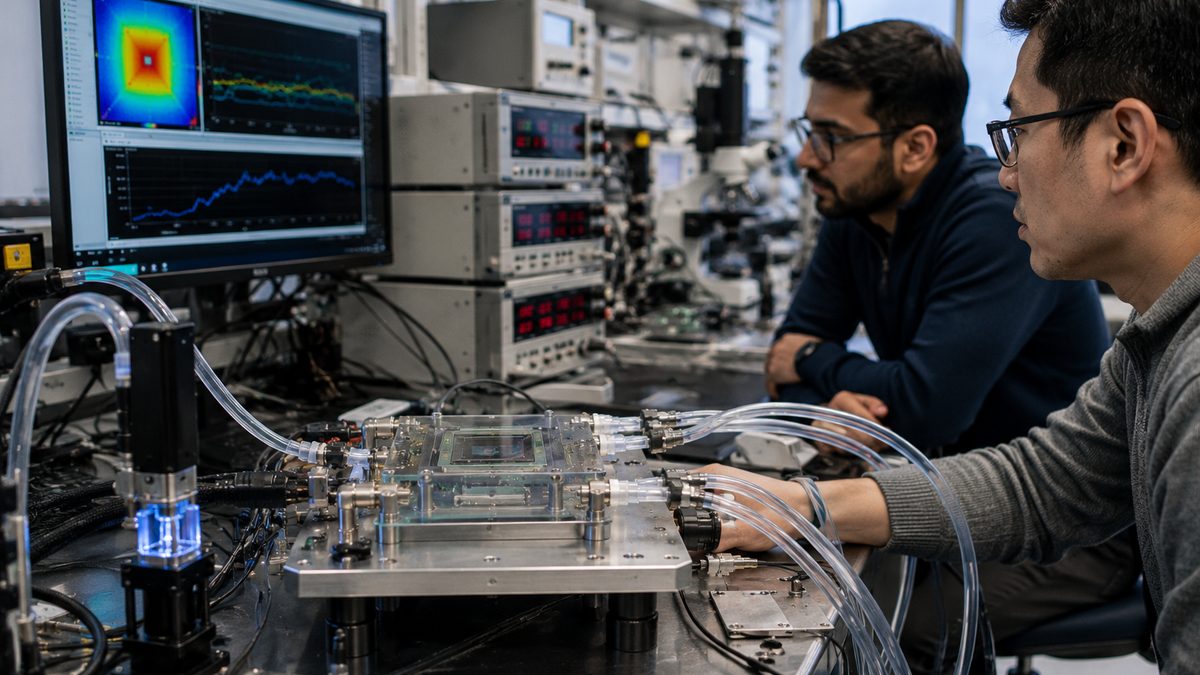
AI tools are increasingly being built to move through real work, not just answer isolated questions. Editorial illustration by TheDailyGlobe.
Key Facts
- OpenAI announced GPT-5.5 in April 2026 for ChatGPT and Codex users across paid tiers.
- OpenAI describes GPT-5.5 as designed for complex work including coding, research, documents, spreadsheets and tool use.
- OpenAI said it used safety and preparedness evaluations, red teaming and early-access feedback before release.
- OpenAI release notes describe broader ChatGPT updates involving mobile use, Codex and file-library features.
- OpenAI later said GPT-5.5 and GPT-5.5 Pro were available in the API.
For many people, AI is no longer just a box where they type a question and wait for an answer. It is becoming part of how they write, research, code, compare documents, organize files and work through tasks that used to require switching between several apps.
OpenAI's GPT-5.5 release fits that shift. The company announced GPT-5.5 in April 2026 for ChatGPT and Codex users, describing it as a model built for more complex work across coding, research, documents, spreadsheets and tool use. OpenAI later said GPT-5.5 and GPT-5.5 Pro were available in the API.
What OpenAI Says GPT-5.5 Adds
OpenAI's own description of GPT-5.5 is work-focused. The company says the model is designed to understand tasks earlier, use tools more effectively, check its work and continue through longer assignments with less guidance.
Those are company claims, not independent proof that every user will see reliable results in every setting. The important change is the direction: OpenAI is positioning the model less as a chatbot and more as an assistant that can move through multi-step work.
That matters because many everyday AI tasks already involve more than a single answer. A worker may ask an AI tool to review a spreadsheet, summarize a document, draft an email, compare notes, write code or explain an error. A student may use it to organize research. A small business owner may use it to turn scattered information into a plan or a document.
Why Workflow Matters More Than The Chat Window
The older idea of AI was mostly conversational: ask a question, get a response. The newer model is more practical and more complicated. The tool may need to read files, search, reason through steps, produce a document, revise code or work with data.
That is why documents, spreadsheets, coding tools and file-library updates matter. They show how AI companies are trying to make their products fit into the places where work already happens. The goal is not only better answers. It is fewer handoffs between apps, tabs and manual steps.
For users, that can be helpful when the task is low-risk and reviewable. A rough draft, code suggestion, research outline or spreadsheet cleanup can save time if the person using it checks the result. But the same deeper workflow access can create new risks if users treat the output as final when the task requires judgment, accuracy, privacy or accountability.
The Safety Claims Need Careful Reading
OpenAI said it used safety and preparedness evaluations, red teaming and early-access feedback before release. Its system-card materials are meant to explain capability and safety testing around the model.
That information is useful, but it does not settle every real-world question. A system card can describe testing and safeguards. It cannot prove how millions of users, developers, students, workers and companies will use the model across every possible task.
That is especially important for high-stakes work. AI output should not replace human judgment in areas such as medical decisions, legal advice, safety-critical engineering, financial commitments or personnel decisions. Better tools can still make mistakes, miss context, misunderstand instructions or produce confident answers that need checking.
What Remains Unclear
The biggest open question is reliability in real workflows. It is one thing for a model to perform well in company testing. It is another for it to handle messy files, unclear instructions, conflicting information and rushed users in ordinary workplaces.
It also remains unclear how quickly businesses, schools and developers will build around GPT-5.5, and how much supervision they will require. API availability gives developers a path to build with the model, but deployment choices will depend on cost, safety policies, privacy needs and whether the model performs consistently enough for each use case.
There is also the question of trust. As AI tools become more connected to files, code and work systems, users will need clearer habits around what they upload, what they let the tool change, and what requires human review before anything is sent, published or acted on.
What To Watch Next
The next things to watch are independent testing, workplace adoption, API use, safety findings and user-facing changes in ChatGPT and Codex. The most useful evidence will come from how the model performs outside polished demos: in real documents, real codebases, real spreadsheets and real deadlines.
GPT-5.5 is best understood as part of a larger shift. AI tools are being built to do more than answer questions. They are being built to move through work. That could make them more useful, but it also makes human supervision more important, not less.
Reporting note: Reporting draws on OpenAI product announcements, OpenAI system-card materials, official release notes, and reviewed technology context. This article was produced with AI-assisted research and reviewed by an editor before publication.