How a Single Snapshot Could Help Cameras See Depth
Researchers in Japan have developed a computational imaging technique that estimates 3D depth from a single image, potentially expanding future options for robotics, imaging systems, and augmented reality.
Save Article
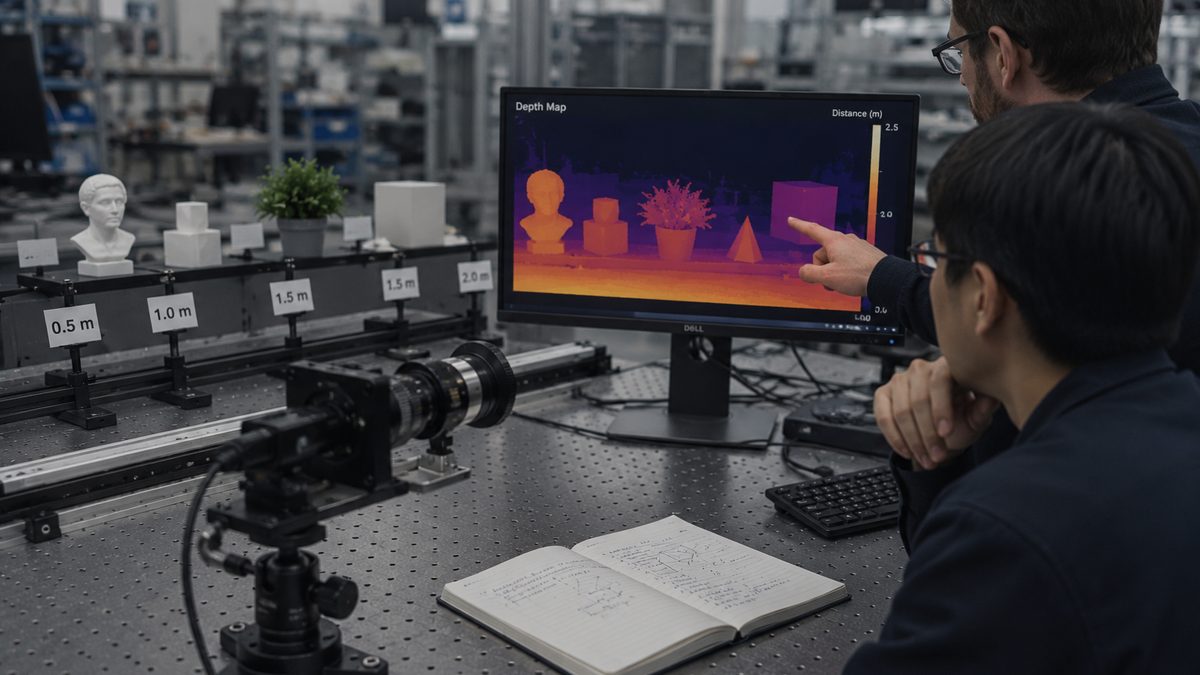
Researchers are testing ways for cameras to estimate 3D depth from a single image. Editorial illustration by TheDailyGlobe.
Key Facts
- University of Osaka researchers reported a method for estimating 3D depth from a single image.
- The system combines coded-aperture optics with AI-based image reconstruction.
- Researchers use blur and image information to estimate both depth and color data.
- The work is part of computational imaging research rather than a consumer product launch.
- Potential future applications include robotics, medical imaging, and augmented-reality systems.
People rarely think about it, but cameras and human eyes experience the world differently. When you look across a room, your brain automatically understands which objects are near, which are far away, and how everything is positioned in three-dimensional space. A standard photograph, however, records a scene as a flat image, capturing color and shape but not true depth.
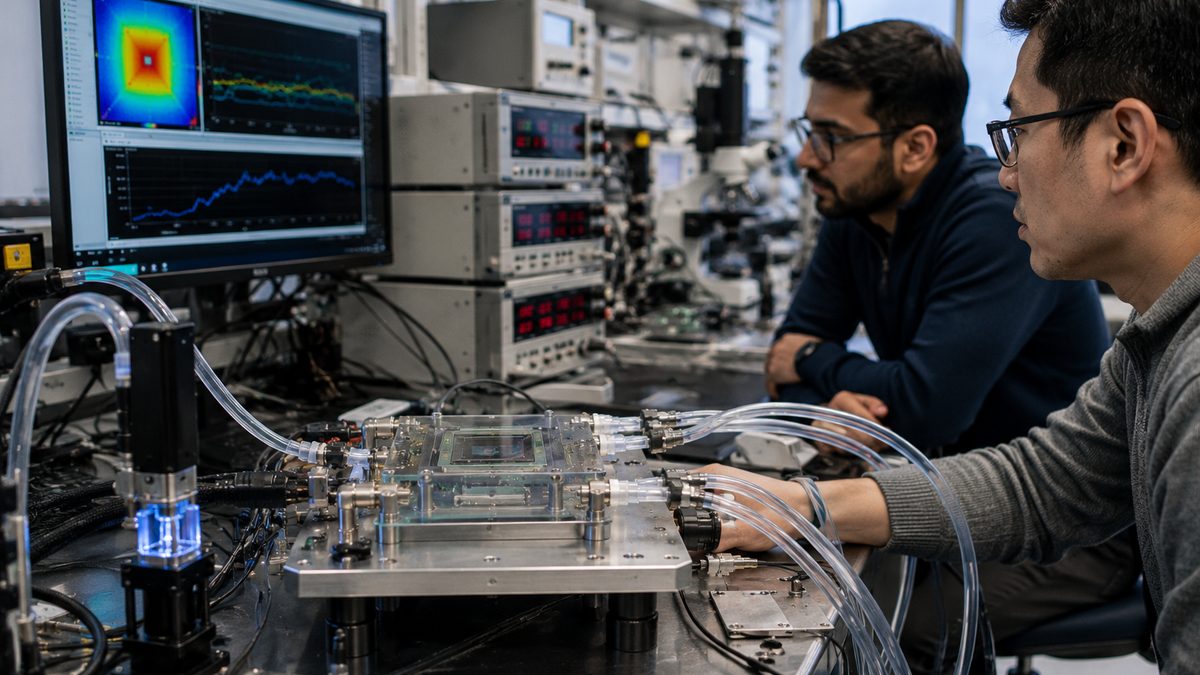
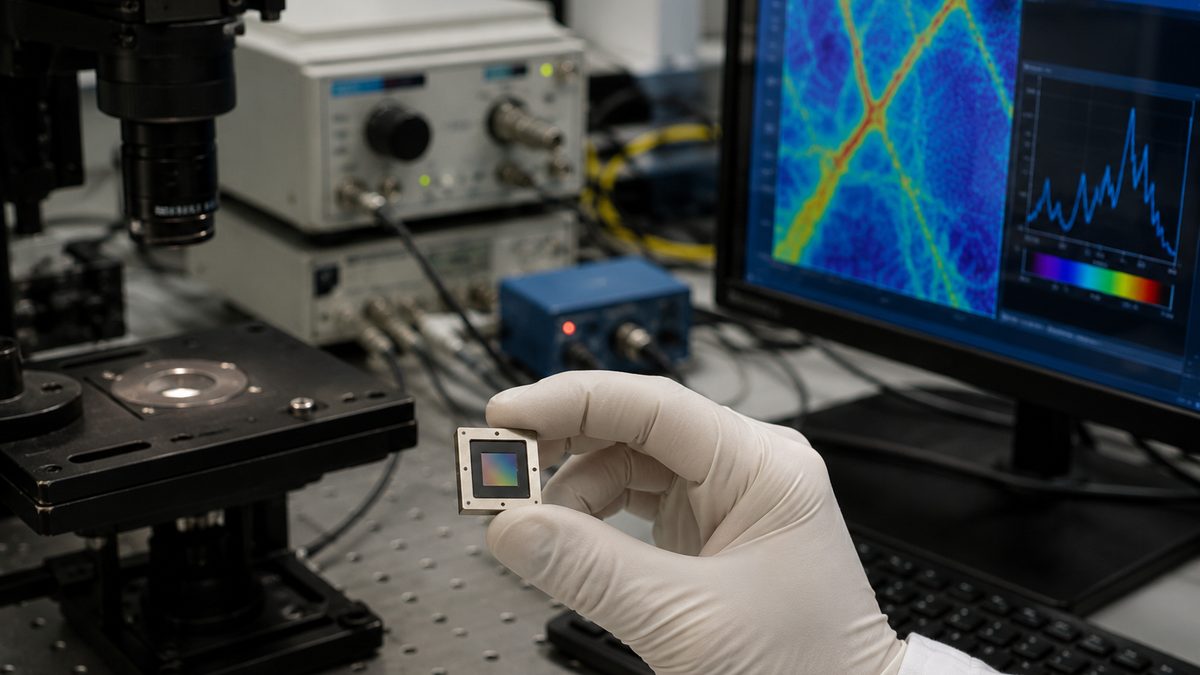
Researchers at the University of Osaka say they have developed a new computational imaging method that may help cameras recover some of that missing information. The approach combines specialized optics with AI-assisted image reconstruction to estimate depth from a single snapshot rather than relying on multiple cameras or separate depth sensors.
Why Depth Is Hard for Cameras
Determining depth is one of the biggest challenges in machine vision. Many modern systems solve the problem by using multiple cameras, laser-based sensors such as LiDAR, or structured-light systems that project patterns onto a scene.
Those approaches can work well, but they often require additional hardware, more power, greater processing demands, or increased cost. Researchers have long looked for ways to extract depth information from simpler imaging systems without relying on multiple sensors.
The Osaka team's work focuses on a different strategy: capturing subtle clues already present in a single image and using advanced reconstruction techniques to estimate how far objects are from the camera.
Using Blur as Useful Information
One of the key ideas behind the research involves something photographers normally try to control carefully: blur. Objects at different distances can create different blur patterns depending on how a camera lens is configured.
The researchers use what is known as a coded aperture, a specialized optical design that modifies the way light enters the camera. Instead of treating blur as a problem, the system intentionally creates patterns that contain information about an object's distance from the camera.
AI-based reconstruction software then analyzes those patterns and attempts to recover both depth information and a clearer representation of the scene. The result is a depth estimate generated from a single captured image.
Where the Technology Could Be Useful
Researchers and coverage of the project point to several possible future uses. Robots often need depth information to navigate safely and understand their surroundings. Augmented-reality systems rely on accurate depth estimates to place digital objects convincingly within real environments.
Medical imaging is another area where depth information can be valuable. Researchers are also interested in whether similar approaches could eventually support lower-cost imaging systems that cannot accommodate more complex sensor packages.
At this stage, however, those possibilities remain potential applications rather than demonstrated commercial products. The research establishes a technical method, not a finished consumer technology.
Questions Researchers Still Need to Answer
Several important uncertainties remain. Public descriptions of the work show that the method can estimate depth under research conditions, but they do not establish how well it performs in the messy situations common in the real world.
Lighting changes, moving subjects, cluttered environments, reflections, and other visual challenges can affect imaging systems in ways that are difficult to replicate in controlled experiments. Researchers will need to demonstrate how robust the technique is under those conditions.
It also remains unclear how the approach compares with established depth-sensing technologies such as LiDAR, stereo-camera systems, and structured-light methods. The current research does not show that the new technique replaces those technologies.
What to Watch Next
The next milestone will be moving from laboratory demonstrations toward practical testing. Researchers and engineers will want to see whether the system can operate quickly enough and accurately enough for real-world applications.
Future demonstrations in robotics, medical imaging, mobile devices, or augmented-reality hardware could provide a better sense of where the technology fits. For now, the research offers an interesting example of how optics and software can work together to extract more information from a single photograph than traditional cameras were originally designed to capture.
Reporting note: Reporting draws on university research materials, peer-reviewed imaging research, technology reporting, and reviewed background materials. This article was produced with AI-assisted research and reviewed by an editor before publication.