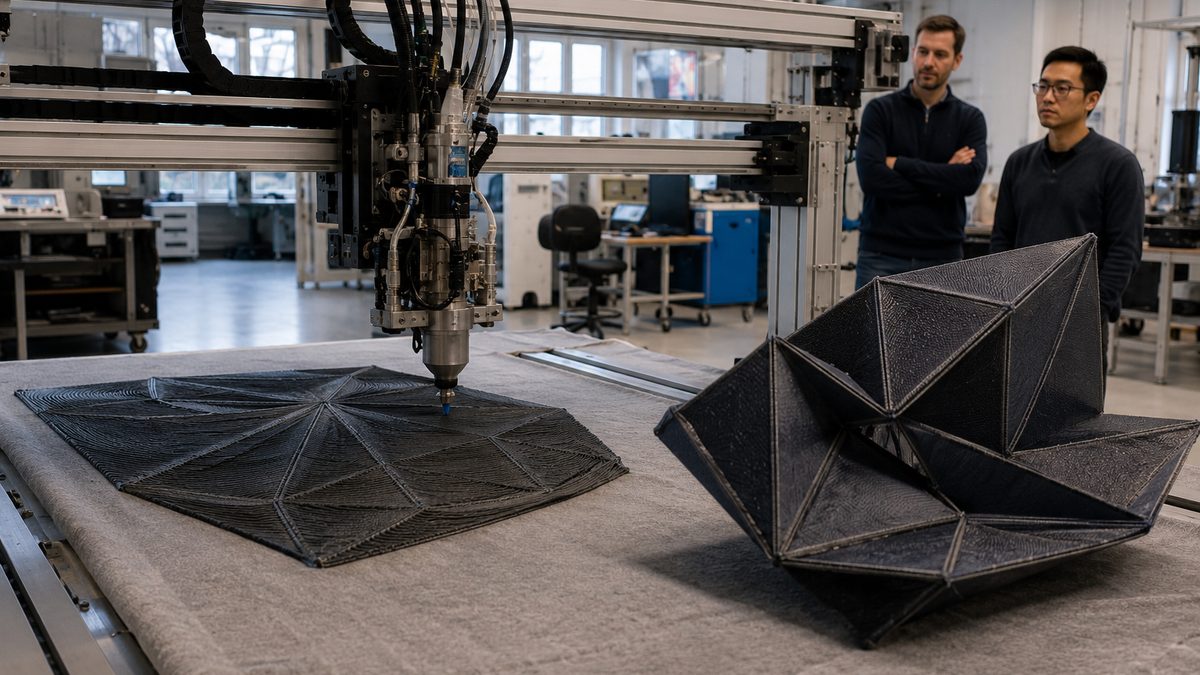
Federal Quantum Awards Put Chip Manufacturing at the Center of the Next Computing Race
Commerce Department letters of intent for $2 billion in quantum-computing support show why the next phase of advanced computing may depend as much on manufacturing as research.
Save Article
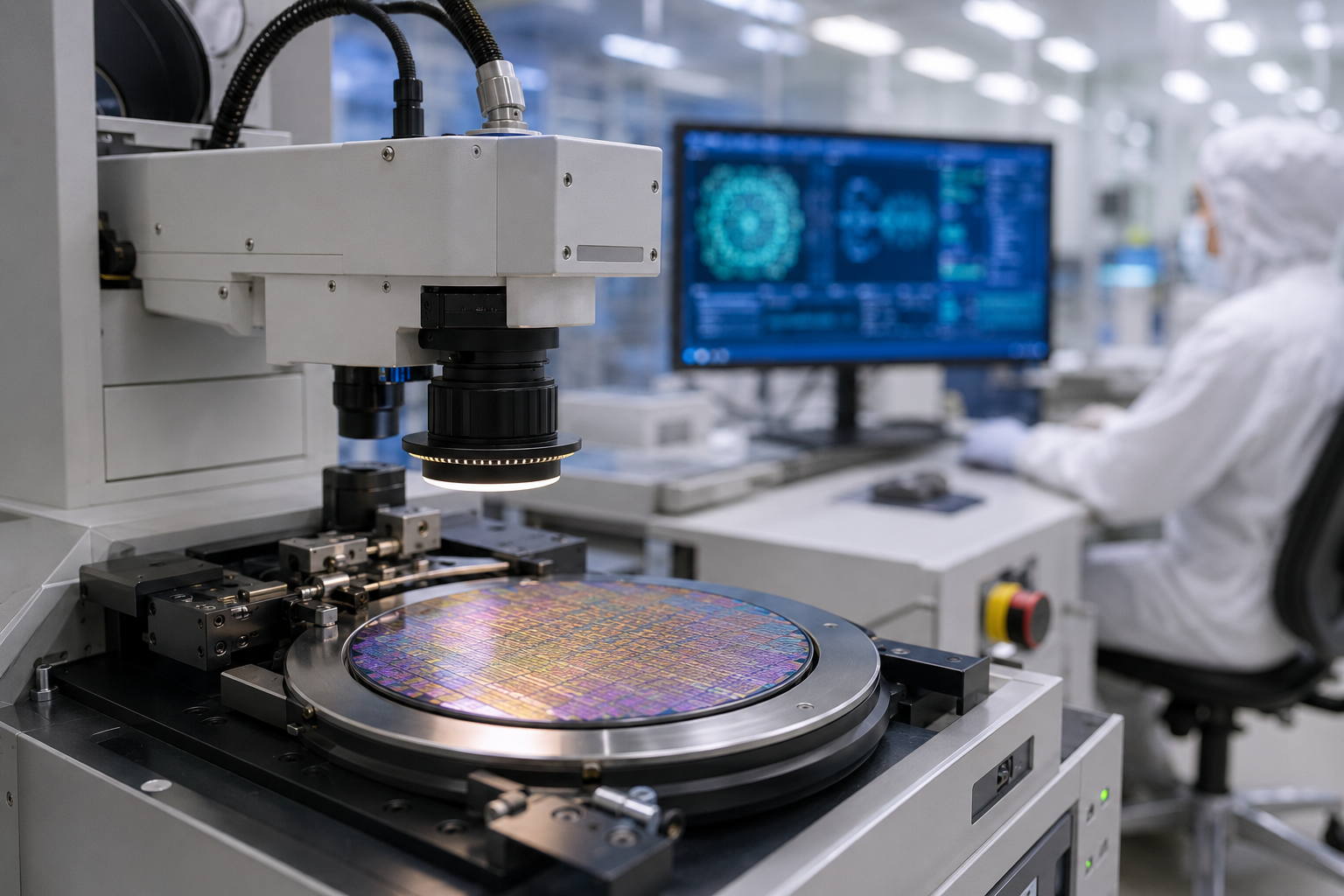
Commerce Department letters of intent for $2 billion in quantum-computing support show why the next phase of advanced computing may depend as much on manufacturing as research. Editorial illustration by TheDailyGlobe.
Key Facts
- NIST said the Department of Commerce announced letters of intent with nine companies for $2 billion to accelerate U.S. leadership in quantum computing.
- NIST said the CHIPS Research and Development Office incentives are intended to support research and manufacturing for the quantum ecosystem.
- The Wall Street Journal reported that the funding package includes proposed awards to quantum-computing firms and minority government equity stakes.
- The Semiconductor Industry Association said the awards are intended to advance U.S. leadership in quantum computing technology.
- Nextgov reported that the letters of intent support research and development in fault-tolerant quantum computing.
The Commerce Department's latest quantum-computing move is not just about faster computers. It is about where the machines, chips and supply chains for the next era of computing will be built.
NIST said the Department of Commerce announced letters of intent with nine companies for $2 billion to accelerate U.S. leadership in quantum computing. The CHIPS Research and Development Office incentives are intended to support research and manufacturing for the quantum ecosystem, according to NIST.
That distinction matters for regular readers because quantum computing is often described as a distant science problem. The federal announcement shows another side of the race: even if useful quantum computers are still years away, the United States is already trying to shape who builds the hardware, who controls the supply chain and how much public money helps move the technology from lab work toward production.
Why This Is About More Than Research
Quantum computing is usually explained through its promise: machines that could one day handle certain kinds of problems far beyond the reach of conventional computers. That promise matters, but it can make the issue sound abstract.
The Commerce announcement is more concrete. It ties quantum research to manufacturing, chips and the broader industrial base needed to make advanced technology real. A country can have strong scientists and still fall behind if the hardware, specialized components and production capacity are built somewhere else.
That is why the CHIPS R&D framing matters. The government is not only trying to fund ideas. It is trying to support pieces of a domestic quantum ecosystem, including research and manufacturing. In plain English, the question is not only whether quantum computers can work. It is whether the United States can build and scale the parts that would make them useful.
Letters of Intent Are Not Final Proof
The phrase letters of intent deserves careful reading. It signals a planned federal funding direction, not a finished commercial outcome and not proof that fault-tolerant quantum computing has arrived.
Nextgov reported that the letters of intent support research and development in fault-tolerant quantum computing. Fault tolerance is important because quantum systems are highly sensitive and error-prone. A practical quantum computer would need ways to manage errors reliably enough to do useful work.
That is still a hard technical problem. The funding announcement should not be read as a declaration that the technology is commercially mature or ready to replace today's computing systems. It is better understood as an early-stage policy and investment step in a field the government sees as important.
Why Chip Manufacturing Is Central
Quantum computing depends on specialized hardware. The exact technology can vary by company and approach, but the broader point is simple: advanced computing needs advanced manufacturing.
That puts quantum in the same larger conversation as semiconductors, supply chains and national technology strategy. The United States has already treated chip manufacturing as a public priority through the CHIPS and Science Act. Quantum computing adds another layer, because future systems may require specialized fabrication, materials, packaging, control systems and testing.
The Semiconductor Industry Association said the awards are intended to advance U.S. leadership in quantum computing technology. That support from the chip industry is not surprising. If quantum systems move toward wider use, the companies that can manufacture reliable components may become as important as the companies writing algorithms.
The Public Investment Question
The Wall Street Journal reported that the funding package includes proposed awards to quantum-computing firms and minority government equity stakes. That detail makes this more than a grant announcement. It raises a familiar question in advanced technology: when public money helps build private capacity, what should taxpayers expect in return?
There is a reasonable argument for public support. Quantum computing may matter for national security, scientific research, materials discovery, advanced simulation and long-term economic competition. Private markets may not fund every stage of risky, expensive technology development on their own.
There is also a reason for scrutiny. Public support should come with clear milestones, transparency, accountability and realistic claims. A funding announcement should not become a promise that every selected company will succeed or that every technical barrier will fall on schedule.
Why National Security Keeps Coming Up
Quantum computing is often discussed in national security terms because powerful future systems could affect encryption, secure communications, sensing, modeling and other areas governments care about. That does not mean a national-security breakthrough is immediate.
The better way to understand the concern is timing. Governments do not wait until a technology is fully mature before deciding whether they want domestic capacity. If quantum computing becomes more capable, the countries and companies that control key parts of the ecosystem could have an advantage.
That is one reason the Commerce move matters now. It is an attempt to influence the foundation before the technology is fully settled. The policy bet is that waiting until quantum systems are commercially mature could leave the United States dependent on supply chains or platforms it did not shape.
What Readers Should Watch Next
The most important next step is not a flashy quantum demonstration. It is whether the proposed funding turns into clear projects with measurable progress.
Readers should watch which companies receive final awards, what milestones are attached, how much of the work supports manufacturing rather than only research, and whether the government explains how it will judge success.
They should also watch how companies describe their progress. Quantum computing is a field where technical claims can easily outrun practical usefulness. A careful reader should separate laboratory progress, government support, commercial readiness and investment hype.
What Remains Unclear
It remains unclear how quickly the letters of intent will become final agreements, what exact terms will apply to each company, and how the government will handle any equity stakes or other public-interest protections.
It is also unclear which technical approaches will prove most durable. Quantum computing includes competing designs, and not every promising system will necessarily scale into a useful product.
For readers, the clean takeaway is that the next computing race is not only about brilliant algorithms or distant breakthroughs. It is about factories, chips, supply chains, public money and patient engineering. The Commerce Department's quantum letters of intent show that Washington is trying to shape that race before the finish line is visible.
Reporting note: Reporting draws on NIST and Commerce materials, semiconductor industry statements, technology reporting, company confirmations, and reviewed quantum-computing context. This article was produced with AI-assisted research and reviewed by an editor before publication.