New Federal AI Review Order Raises Questions About How Advanced Models Reach The Public
A new White House order invites voluntary federal review of certain top AI models before release, raising questions about public trust, national security and company cooperation.
Save Article

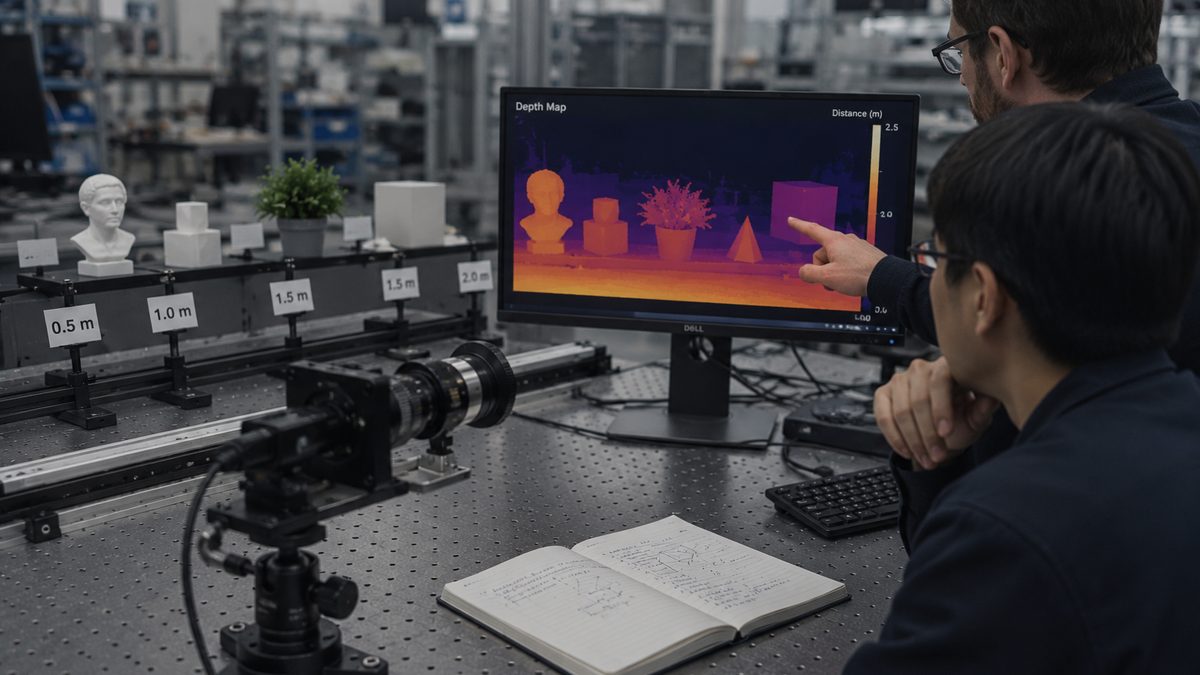
Advanced AI tools are moving from company labs into public life faster than many oversight systems can adapt. Editorial illustration by TheDailyGlobe.
Key Facts
- President Trump signed an executive order June 2 inviting voluntary federal review of top AI models for national security risks before public release.
- AP reported that the order allows the government up to 30 days to vet covered AI systems before release.
- AP reported that the program targets top-tier models and invites participation from major U.S.-based AI developers.
- The order is framed as voluntary rather than broad mandatory AI regulation.
- It remains unclear which models will be reviewed, which companies will participate and how much the public will learn from the process.
Powerful AI tools are moving into work, school, search, software and security faster than most people can evaluate what those systems can do. For ordinary users, the question is not only whether an AI tool is impressive. It is whether anyone outside the company has looked closely at the risks before the tool reaches the public.
President Trump signed an executive order June 2 inviting voluntary federal review of certain top AI models for national security risks before public release, according to the Associated Press. AP reported that the order allows the government up to 30 days to vet covered AI systems before release.
The order does not create a broad AI regulatory system. It is a narrower review path aimed at top-tier models, and it depends on voluntary participation from major U.S.-based AI developers.
What The Order Does
The order creates a federal review option for certain advanced AI models before they are released publicly. The focus, according to AP reporting, is national security risk. That makes the review different from everyday questions users may have about privacy, school use, workplace monitoring, bias, misinformation or customer service tools.
The 30-day review window matters because AI companies often move quickly from testing to public release. A federal review period could give the government time to look for risks in the most powerful systems before they are widely available.
But the voluntary structure is just as important as the review itself. If companies choose not to participate, the program may have limited reach. If major developers do participate, the process could become a new checkpoint in how advanced AI systems move from labs into public use.
What It Does Not Do
The order should not be read as a full federal rulebook for AI. It does not mean every chatbot, school tool, workplace assistant or consumer AI feature will go through a government review.
It also does not settle the wider debate over AI oversight. National security review is one category of concern. The public may also care about whether AI tools collect sensitive information, make mistakes in important settings, replace human judgment, shape what students learn or change how workers are evaluated.
Those questions remain larger than this order. The new review process may help answer some government security concerns, but it is not designed to answer every concern families, schools, employers or consumers may have about AI.
Why Public Trust Is The Real Test
AI companies often ask users to trust that their systems are safe enough to use. Federal officials often ask the public to trust that the government can spot risks without slowing useful technology. A voluntary review system tests both claims.
For companies, participation could signal that they are willing to let federal reviewers examine powerful models before release. For the government, the challenge is showing that review is meaningful without turning the process into a vague stamp of approval.
That distinction matters. A reviewed model is not automatically risk-free. It may simply mean one category of risk was examined under one federal process.
What Remains Unclear
The biggest unknown is which companies will participate. The order invites major U.S.-based AI developers into the process, but voluntary review only works if the companies with the most powerful systems choose to take part.
It is also unclear which models will qualify for review, what information companies will have to provide and how much of the government's assessment will become public. Too little transparency could make the process hard for users to evaluate. Too much disclosure could raise security or competitive concerns.
Another open question is whether this becomes a one-off policy or a model for broader AI oversight. A voluntary system may be easier to launch quickly, but it may also leave gaps if companies decline to participate or if risks fall outside the national security frame.
What To Watch Next
The next signals will come from the companies. If major AI developers agree to submit models for review, the order could become part of the normal release process for top systems. If participation is limited, the policy may remain more symbolic than practical.
Federal implementation details will matter too. Readers should watch for guidance on which models are covered, what reviewers will examine, how decisions are communicated and whether any company delays or changes a release after review.
For now, the order marks a limited but important question in AI policy: before the most powerful systems reach the public, who gets a chance to look under the hood, and what will the public actually learn from that review?
Reporting note: Reporting draws on Associated Press reporting, federal AI safety context, institutional AI analysis, technology trend materials, and reviewed background materials. This article was produced with AI-assisted research and reviewed by an editor before publication.