New ChatGPT Memory Update Shows How AI Assistants Are Becoming More Personal
OpenAI's latest ChatGPT memory update points to a larger shift in AI tools: assistants that remember more context, with more questions about user control.
Save Article
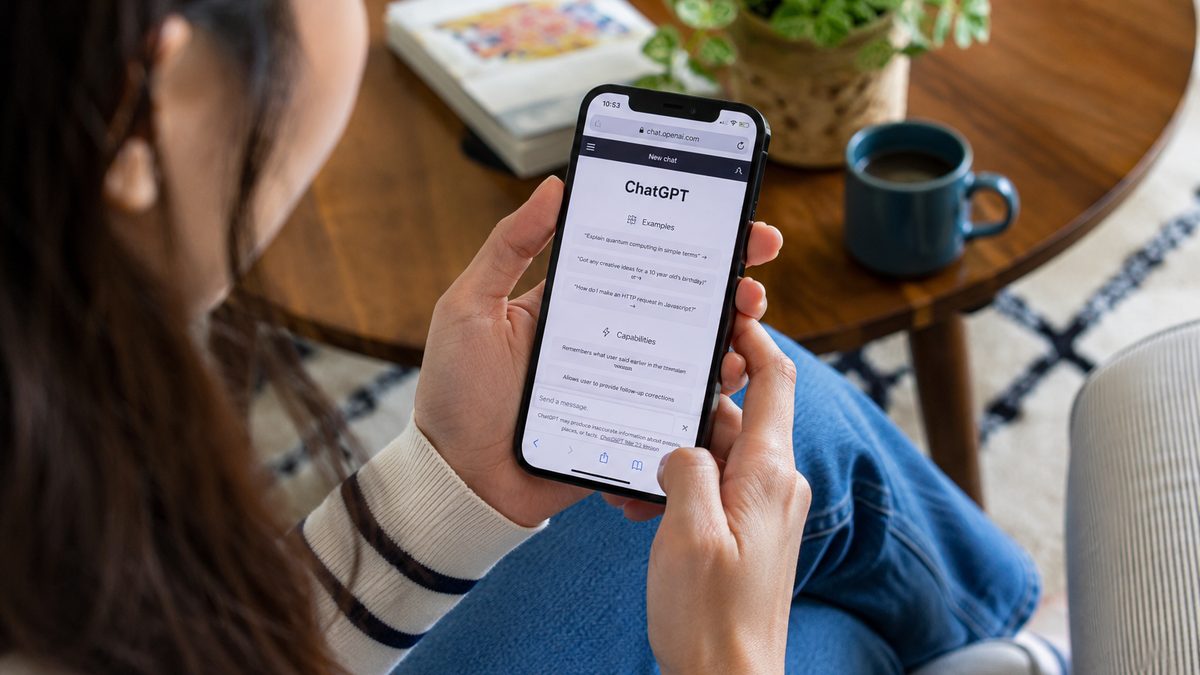
AI assistants are becoming more personalized, raising practical questions about usefulness and user control. Editorial illustration by TheDailyGlobe.
Key Facts
- OpenAI listed “Better memory for a more helpful ChatGPT” as a June 4, 2026 product update.
- OpenAI's ChatGPT release notes and Help Center materials document product changes and feature availability.
- OpenAI says memory can help ChatGPT personalize responses by using useful context from chats, files and connected apps when enabled.
- OpenAI says memory controls are available in settings and that users can enable or disable memory.
- Feature availability may vary by plan, region and rollout timing.
One of the most annoying parts of using an AI assistant is repeating yourself. The project background, the writing style, the family schedule, the company policy, the class assignment, the preferred format, the thing you already corrected yesterday — all of it can turn into setup work before the assistant can actually help.
OpenAI's latest ChatGPT memory update is aimed at that everyday friction. The company listed “Better memory for a more helpful ChatGPT” as a June 4, 2026 product update, while its Help Center materials describe memory as a way for ChatGPT to use useful context from chats, files and connected apps when the feature is enabled. The broader shift is clear: AI assistants are moving from one-off answer machines toward tools that can adapt to a user's ongoing context.
What Memory Changes For Users
Memory is not the same as an AI simply answering the prompt in front of it. In plain language, it means the assistant can use some past context to make a current answer more relevant. That might include a user's preferred writing style, recurring projects, work habits, school needs, family planning details, or information the user has asked the system to keep in mind.
For everyday users, the attraction is convenience. A student may not want to explain the same assignment format every time. A small-business owner may want the assistant to remember brand voice, customer type or product details. A parent may want help planning around the same family constraints without retyping them in every conversation.
OpenAI frames the update around making ChatGPT more helpful. That is a company claim and should be read as product positioning, not an independent measure of quality. Still, the user-facing idea is easy to understand: an assistant that remembers the right context can require less setup and produce answers that feel less generic.
Why Personalization Also Raises Privacy Questions
The same feature that makes an assistant more useful can also make it more sensitive. If an AI tool uses more personal context, users need to understand what is being remembered, how it is used and where the controls are.
OpenAI's Help Center says memory controls are available in settings and that users can choose to enable or disable memory. It also describes a memory summary that lets users review information ChatGPT remembers, while noting that the summary may not include every detail used as part of the broader memory system.
That distinction matters. A simple list of remembered facts is easier for users to understand than a more fluid system that draws from past context. If an assistant is becoming more personalized, users will need clear settings, plain explanations and habits for checking what the tool is using.
Workplaces And Schools Have Extra Reasons To Pay Attention
Memory features may be useful for work and school, but they also raise policy questions. A worker using AI for reports, customer support, coding or sales materials may want the assistant to remember project context. An employer may want limits on what company information can be stored or reused. A school may want students and teachers to understand when personal context is shaping an answer.
Those are not reasons to panic. They are reasons to be specific. Organizations that allow AI tools may need simple rules around sensitive information, shared devices, account settings and what kinds of data should not be placed into a consumer assistant.
For families, the same practical caution applies at a smaller scale. A personalized assistant may be helpful for routines, homework planning, travel ideas or household budgeting. But users should still think before sharing highly sensitive information and should know where to adjust settings if the assistant's personalization feels wrong or unwanted.
What Is Still Unclear
The rollout details matter. OpenAI's documentation says the new memory system is starting with some paid users in the United States and expanding over time. That means not every user, plan or region should be assumed to have the same experience at the same time.
It is also unclear how strongly most users will manage memory settings in practice. Privacy controls only help if people can find them, understand them and use them. Many users may accept the default experience without reviewing what the assistant remembers unless something feels off.
Another open question is how memory will change user expectations. The more an assistant remembers, the more people may expect it to understand their needs without being told. That can be useful, but it can also create mistakes when the assistant leans on outdated or incomplete context.
What Readers Should Watch Next
The next practical step for users is to check their own settings. Anyone using ChatGPT for personal, school or work tasks should know whether memory is enabled, what controls are available and whether their plan or region has the newer memory experience.
The bigger trend is worth watching beyond one company update. AI assistants are becoming more personalized, more persistent and more woven into daily work. The question is no longer only whether an AI can answer a question. It is whether users understand what context the assistant is bringing into the answer, and whether they feel in control of it.
Reporting note: Reporting draws on OpenAI product release materials, OpenAI Help Center documentation, official release notes, and reviewed technology context. This article was produced with AI-assisted research and reviewed by an editor before publication.