AI Spending Continues to Support Tech Markets Despite Broader Economic Pressure
Heavy investment in artificial intelligence infrastructure continues to support technology stocks and reshape industrial planning, even as investors question how quickly companies will turn spending into profits.
Save Article

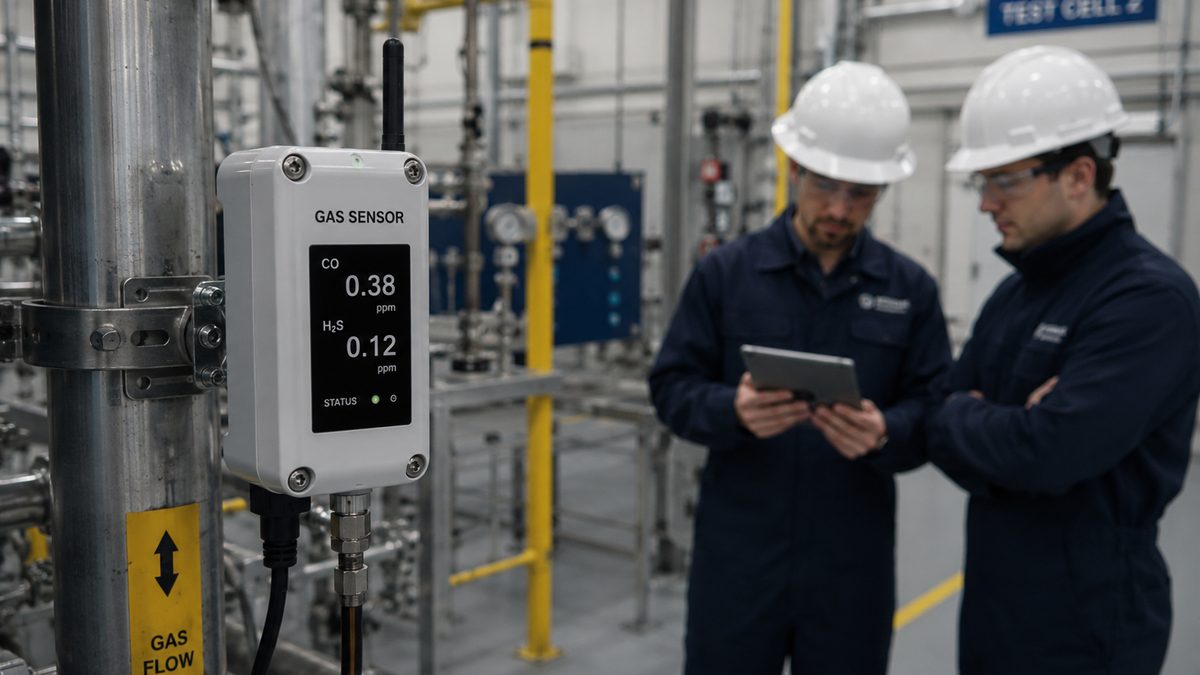
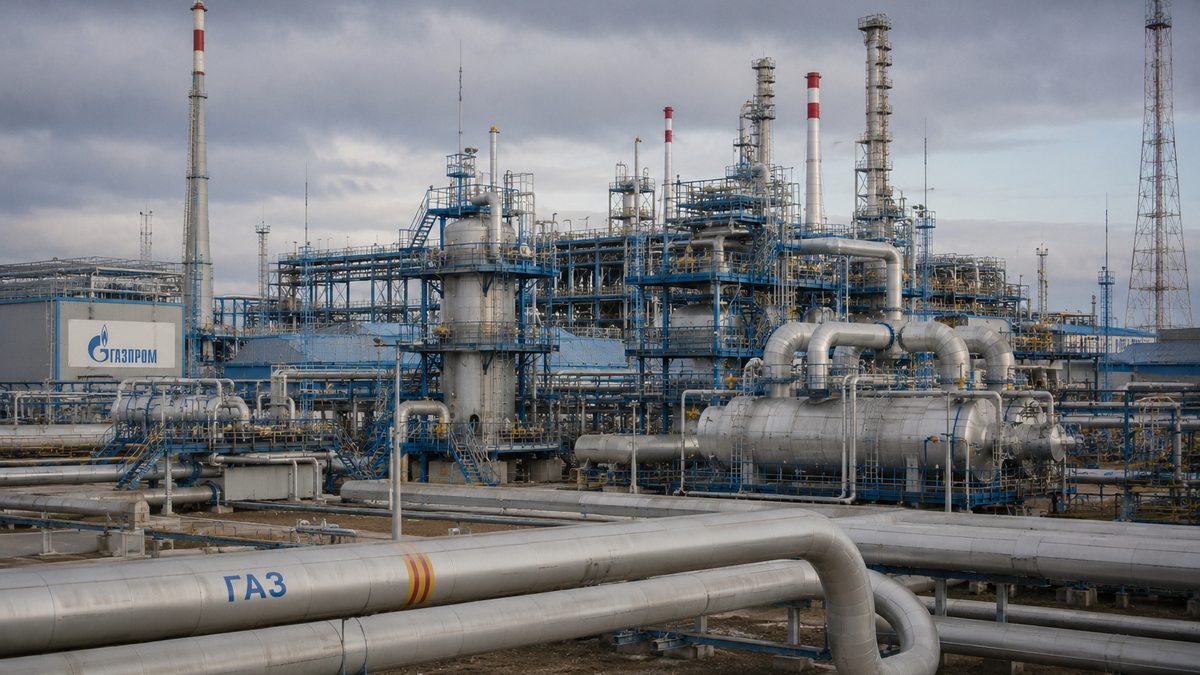
Heavy investment in artificial intelligence infrastructure continues to support technology stocks and reshape industrial planning, even as investors question how quickly companies will turn spending into profits. Editorial illustration by TheDailyGlobe.
Key Facts
- Major AI infrastructure spending remains elevated across the technology sector.
- Analysts say AI investment continues supporting large tech company valuations.
- Data centers, chips, and cloud systems remain central parts of AI expansion.
- Questions remain about how quickly AI investments will produce profits.
- AI demand is influencing energy, manufacturing, and industrial planning.
- Market analysts continue watching whether spending levels remain sustainable.
Artificial intelligence spending continues to play a major role in supporting technology markets, even as broader economic concerns weigh on investors and businesses across other sectors. Analysts and market watchers said Monday that large-scale investment in AI infrastructure remains one of the strongest forces helping keep major tech companies attractive to investors.
The spending surge is being driven by demand for advanced data centers, AI chips, cloud computing capacity, networking equipment, and energy-intensive computing systems needed to train and operate modern AI models. Large technology firms have continued committing billions of dollars toward expanding their AI capabilities despite questions about the pace of future returns.
That investment wave has helped support technology stock valuations during a period when markets are also dealing with concerns about inflation, slower consumer demand, interest rates, and signs of uneven economic growth. AI has increasingly become one of the central themes shaping both Wall Street expectations and long-term industrial planning.
Why Investors Are Still Backing AI Spending
Many investors continue treating AI as a long-term infrastructure shift rather than a short-term technology trend. Companies building AI systems require enormous computing power, which has created demand for specialized chips, large server facilities, and advanced networking systems. That demand has benefited semiconductor companies, cloud providers, and data center operators.
Analysts say one reason markets remain relatively supportive of AI-related spending is that large technology firms still have the financial strength to continue investing heavily. Some of the biggest companies involved in AI development maintain large cash reserves and highly profitable core businesses, allowing them to fund expansion even during uncertain economic conditions.
The broader AI buildout is also creating ripple effects outside traditional software markets. Utilities, construction firms, energy suppliers, and industrial manufacturers are all seeing increased attention as companies race to expand computing capacity. Data centers require large amounts of electricity and cooling infrastructure, turning AI investment into a wider industrial and economic story.
In recent months, companies across multiple sectors have emphasized AI initiatives during earnings calls and investor presentations. For many firms, AI has become both a product strategy and a market signal meant to show investors they are positioned for future growth.
Skepticism Has Not Disappeared
Despite the enthusiasm surrounding AI, analysts continue raising questions about whether current spending levels will eventually produce profits large enough to justify the costs. Building and operating AI systems remains expensive, especially for companies developing large-scale models and infrastructure.
Some investors worry the market may be assuming future AI revenue growth that has not yet fully materialized. While businesses continue experimenting with AI tools, many companies are still trying to determine how AI products will consistently generate large returns. That uncertainty has created ongoing debate about whether current valuations are sustainable over the long term.
There are also concerns about how quickly the market can absorb the massive increase in infrastructure spending. Building more data centers and computing systems requires long-term commitments, and some analysts are watching for signs of oversupply if demand slows in future years.
Regulatory and political uncertainty also remains part of the discussion. Governments in the United States, Europe, and elsewhere continue debating rules around AI safety, data use, competition, and energy consumption. Future regulations could affect how quickly companies expand their systems or deploy certain AI products.
Economic Pressure Outside Tech
The strength of AI-related investment stands out partly because other parts of the economy continue facing pressure from higher borrowing costs and slower growth. Businesses in several industries have reduced hiring or delayed expansion plans as they adjust to economic uncertainty.
Technology companies are not completely insulated from those pressures. Some firms have continued cost-cutting efforts and layoffs even while increasing AI spending. In many cases, companies appear willing to reduce costs in other areas to preserve AI investment budgets.
That contrast has become one of the defining features of the current technology market. Investors appear more willing to reward companies that demonstrate aggressive AI positioning, even if other parts of their business are growing more slowly.
Analysts say this does not necessarily mean AI will protect the broader economy from future downturns. Instead, it reflects the belief among investors that AI could become a foundational technology platform similar to the internet or cloud computing. Whether that expectation proves accurate may take years to fully determine.
What Analysts Are Watching Next
Market analysts say the next major test for AI spending will likely center on measurable business results. Investors are increasingly looking for evidence that companies can turn AI investment into sustained revenue growth, productivity gains, or stronger profit margins.
Another closely watched issue is infrastructure capacity. Demand for advanced chips and large-scale data centers remains high, but supply chains, power availability, and construction timelines could become limiting factors as expansion continues.
Energy use is also becoming a larger part of the conversation. AI systems require significant electricity consumption, and utilities in several regions are already preparing for increased demand tied to future data center development. Some experts believe AI infrastructure growth could eventually influence energy policy and regional economic planning.
For now, however, AI investment remains one of the strongest forces supporting technology markets. Even with continuing skepticism and broader economic concerns, companies and investors appear willing to keep spending heavily on the belief that artificial intelligence will remain central to the next phase of the technology industry.
Reporting note: Reporting draws on Reuters market coverage, WIRED reporting, analyst commentary, and reviewed background materials related to artificial intelligence infrastructure investment and technology markets. All claims This article was produced with AI-assisted research and reviewed by an editor before publication.