AI Medical Devices Are Moving Into Everyday Care, But FDA Review Still Matters
FDA materials show AI-enabled medical devices are already part of U.S. health care, but authorization, intended use and clinical oversight still matter.
Save Article
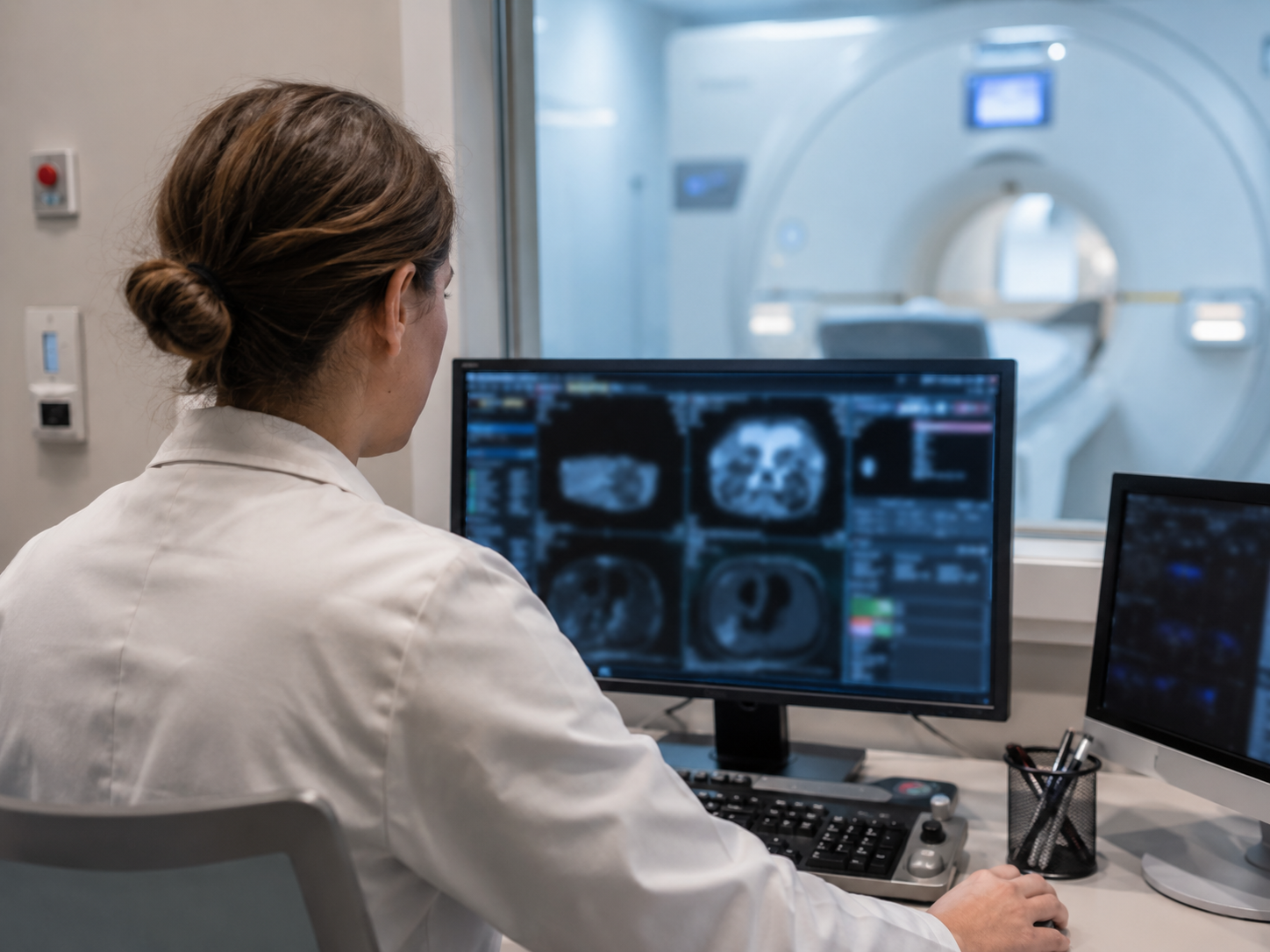
AI is becoming part of some medical tools patients may encounter, but intended use and regulatory review still matter. Editorial illustration by TheDailyGlobe.
Key Facts
- FDA maintains a public list of AI-enabled medical devices authorized for marketing in the United States.
- FDA says the list is intended to help identify AI-enabled devices and provide transparency for providers and patients.
- FDA says AI and machine learning technologies may assist health care providers and improve patient care.
- AI-enabled medical devices still move through medical-device oversight pathways.
- FDA has published good machine learning practice principles for medical device development.
A patient may get a scan, test result or device-supported reading without knowing that software helped a clinician interpret what appeared on the screen. That is one of the quieter ways artificial intelligence is moving into health care.
The Food and Drug Administration maintains a public list of AI-enabled medical devices authorized for marketing in the United States. The agency says the list is meant to help identify AI-enabled devices and provide transparency for health care providers and patients.
That matters because medical AI is not just a futuristic idea or a consumer app claim. Some tools are already moving through medical-device oversight pathways, where intended use, safety and performance matter before a product reaches clinical care.
Where Patients May Encounter AI
AI-enabled medical devices can show up in places where patients may not think of AI at all. A tool may help analyze images, support monitoring, flag patterns or assist a clinical workflow. In many cases, the patient may see the appointment, scan or device, not the software working behind it.
That does not mean the software is making every decision. FDA materials describe AI and machine learning technologies as tools that may assist health care providers. The difference matters: an authorized device has a specific intended use, and that use is not the same as a general promise that AI can diagnose or manage care on its own.
For patients, the practical point is simple. AI in health care is not one thing. A hospital imaging tool, a monitoring device and a general wellness app may all use AI language, but they do not carry the same level of review or the same medical purpose.
Why FDA Authorization Matters
FDA authorization does not mean a device can do anything a company might claim in advertising. It means the device has gone through an oversight pathway for a particular use. That is why the intended use of a medical device is so important.
A device authorized for one setting or task should not be treated as proof that AI is safe or effective for every medical use. Health care depends on context: the patient, the condition, the clinical setting, the data used and the professional judgment around the tool.
FDA's public list gives patients, providers and researchers a place to see which AI-enabled devices have been authorized for marketing. It also helps separate regulated medical devices from broader consumer health claims that may not be reviewed the same way.
What AI Devices Do Not Necessarily Do
An AI-enabled medical device does not automatically replace a doctor, nurse, technician or specialist. In many cases, the tool is meant to support a health care workflow rather than take over the full judgment of a clinician.
That distinction can get lost when AI is marketed as smarter, faster or more advanced than older tools. The better question is narrower: what is this device authorized to do, in what setting, and with what limits?
FDA's work on good machine learning practice also points to a larger issue. Medical AI is not only about whether software works once. Developers and regulators must think about data quality, testing, performance, monitoring and how a device behaves when used in real clinical settings.
What Remains Unclear
One open question is how clearly patients will be told when AI is supporting their care. In some settings, disclosure may be obvious. In others, the software may be part of a tool or workflow that patients never see directly.
Another question is how well medical systems will explain the limits of these tools. Patients do not need hype or fear. They need clear information about whether a device is FDA authorized, what it is intended to do and how clinicians use it.
Performance can also depend on the clinical setting. A tool that works well for one purpose or patient population may not perform the same way in every hospital, clinic or use case. That is why ongoing oversight and careful implementation remain important.
What To Watch Next
The next developments to watch are FDA updates to its AI-enabled device list, new guidance on software as a medical device and how hospitals explain AI-supported care to patients.
Device makers will also shape public trust. Clear claims, narrow intended uses and honest limits will matter more than broad promises about AI transforming medicine.
For readers, the takeaway is not that AI in medicine is automatically good or bad. It is that AI-enabled medical devices are already part of care, and the details still matter: what the tool does, whether it has been reviewed, and how clinicians use it with patients.
Reporting note: Reporting draws on FDA medical device resources, FDA software-as-a-medical-device materials, machine learning practice principles, and reviewed background materials. This article was produced with AI-assisted research and reviewed by an editor before publication.