Hubble Image Shows How Galaxy Clusters Help Scientists Study the Early Universe
A new Hubble image offers a plain look at how galaxy clusters and gravitational lensing help astronomers study distant parts of the universe.
Save Article
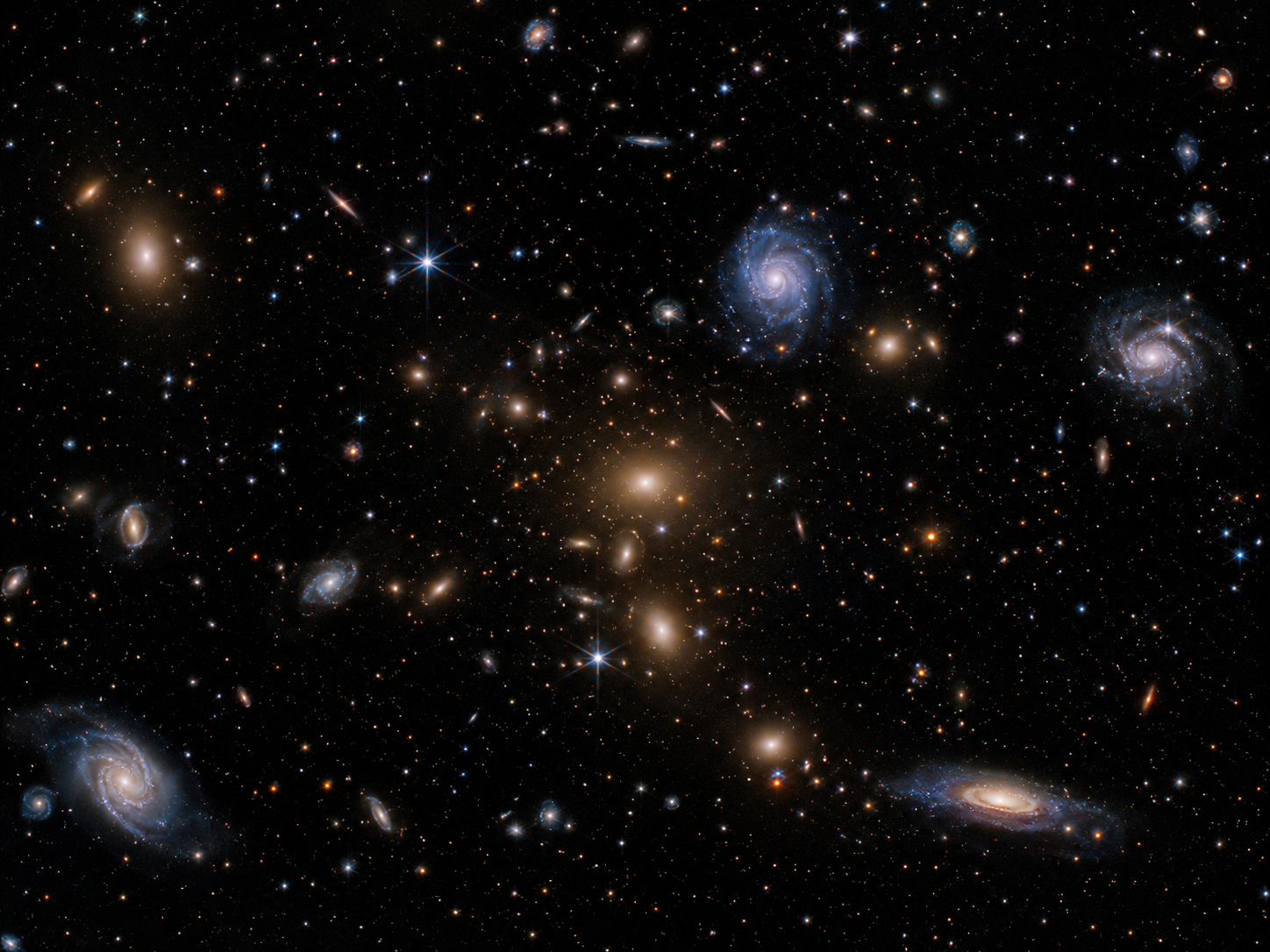
A new Hubble image offers a plain look at how galaxy clusters and gravitational lensing help astronomers study distant parts of the universe. Editorial illustration by TheDailyGlobe.
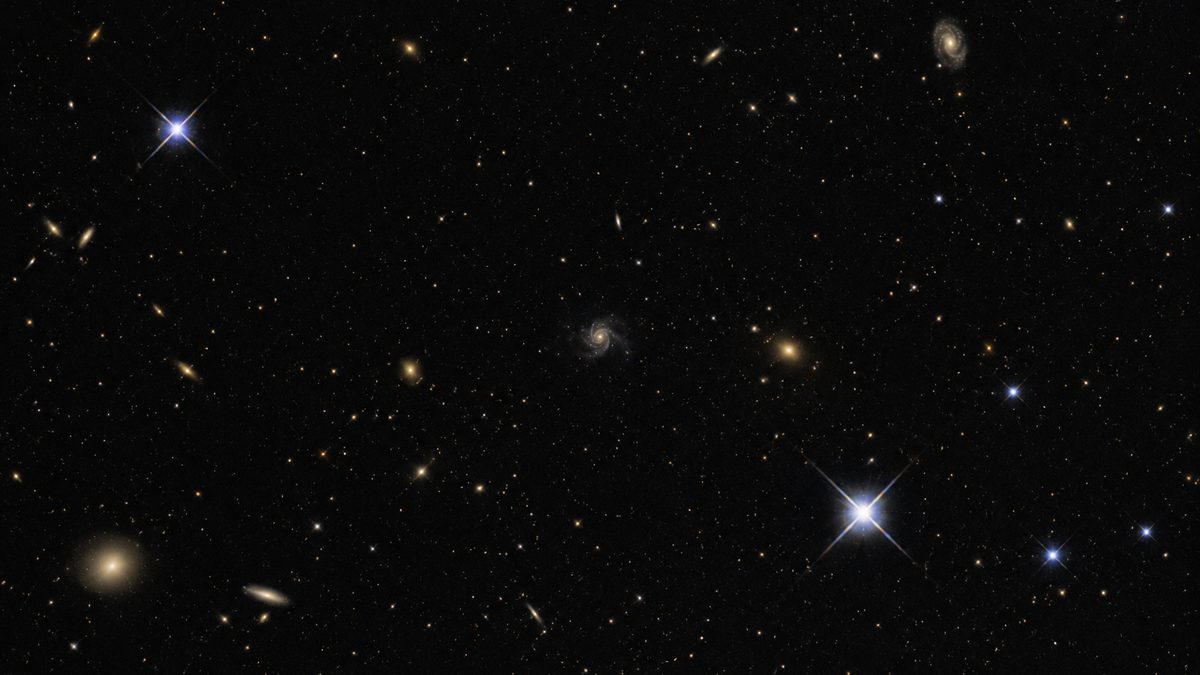
A new NASA Hubble image of a galaxy cluster is offering more than a pretty space picture. It is also a useful way to explain how astronomers use massive clusters of galaxies to study light from farther away.
NASA said Hubble captured the galaxy cluster MACS J1141.6-1905 in visible and infrared light. The observations came from programs studying bright X-ray galaxy clusters and distant galaxies whose light is affected by gravitational lensing.
How Galaxy Clusters Act Like Lenses
A galaxy cluster is a large group of galaxies held together by gravity. Because these clusters contain so much mass, they can bend and magnify light from objects behind them. That effect is called gravitational lensing.
In plain English, a galaxy cluster can work a little like a natural telescope. It does not replace instruments such as Hubble, but it can help astronomers see distant galaxies that would otherwise be harder to study.
Why the Hubble Archive Still Matters
This image release is not being presented as a new peer-reviewed discovery by itself. Its value is partly educational: it shows how older and newer telescope observations can keep helping scientists ask questions about the universe.
NASA says Hubble's archive includes 1.7 million observations and can be mined by current and future astronomers. That means a telescope image does not stop being useful after its first release. Researchers can return to archived data, compare it with new observations and use it to support future studies.
What the Image Can and Cannot Show
The image helps show why galaxy clusters are important tools for astronomy, especially when scientists are studying distant galaxies and the early universe. It does not, by itself, settle a new question about how the universe formed.
For readers, the clearest takeaway is simple: some of the most useful science from space telescopes comes not only from new discoveries, but from patient observation, careful archives and the way gravity itself can help astronomers look deeper into space.
Reporting note: Reporting draws on NASA Hubble image materials, NASA Hubble mission background, and reviewed astronomy context. This article was produced with AI-assisted research and reviewed by an editor before publication.