Virginia Court Blocks New House Map
The Virginia Supreme Court struck down a voter-approved congressional redistricting plan Friday, adding another major fight to the national battle over House maps before the midterms.
Save Article
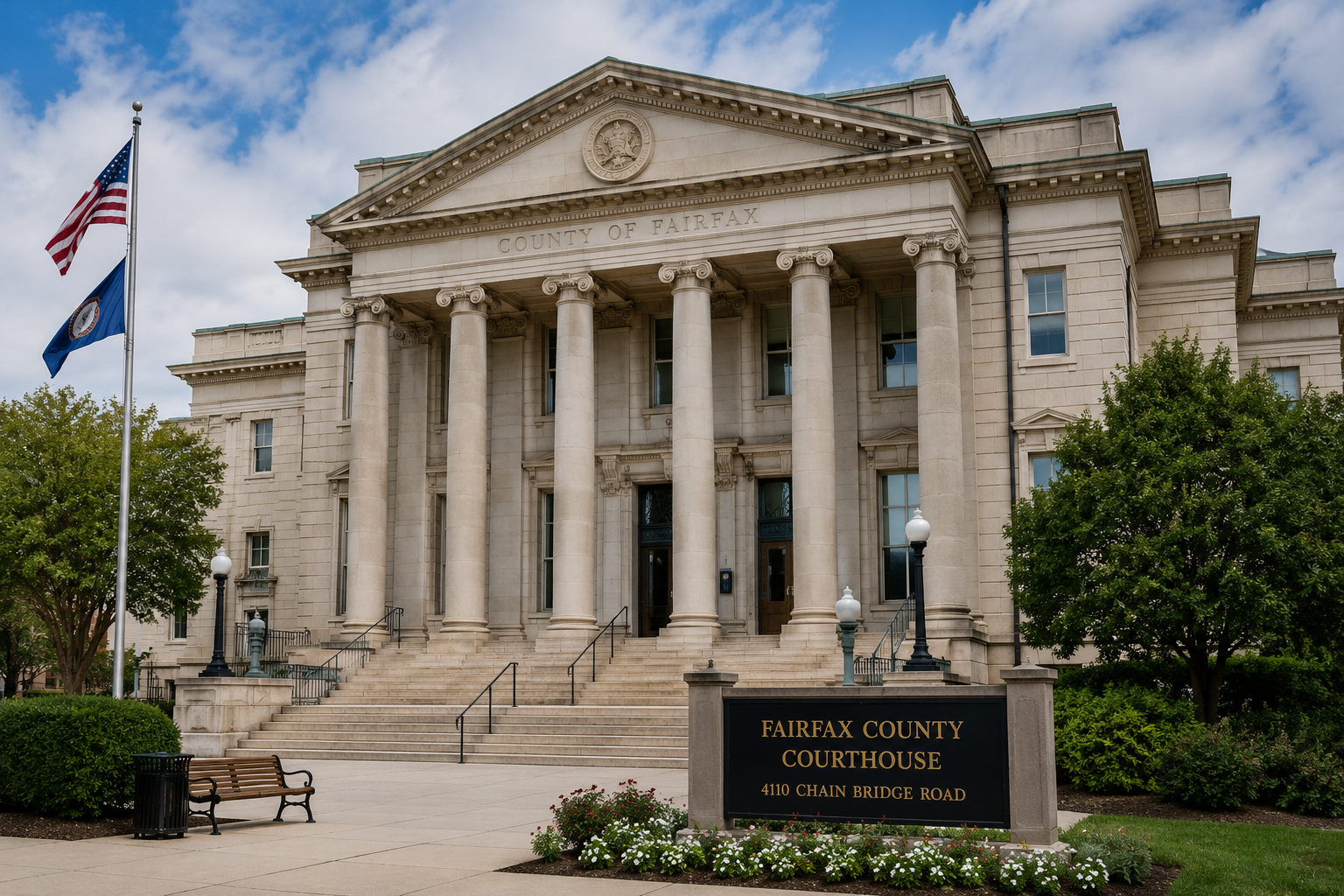
The Virginia Supreme Court struck down a voter-approved congressional redistricting plan Friday, adding another major fight to the national battle over House maps before the midterms. Editorial illustration by TheDailyGlobe.
Key Facts
- The Virginia Supreme Court struck down the congressional redistricting plan Friday.
- The court ruled 4-3 that the process used to place the measure before voters violated state constitutional requirements.
- The blocked map was backed by Democrats and could have shifted several U.S. House seats in their favor.
- Republicans praised the ruling, while Democrats criticized it and are expected to look for legal options.
- The case is part of a wider national fight over redistricting before the 2026 midterm elections.
The Virginia Supreme Court struck down a voter-approved congressional redistricting plan Friday, giving Republicans a major win in one of the country’s most closely watched map fights before the midterm elections.
The court ruled 4-3 that the process used to put the redistricting plan before voters violated state constitutional rules. The decision blocks a Democratic-backed map that could have helped the party gain seats in the U.S. House.
The ruling does not end the larger national fight over congressional boundaries. It adds another chapter to a fast-moving redistricting battle playing out across several states as both parties look for any possible advantage before voters choose the next Congress.
Why This Matters
Control of the U.S. House can turn on a small number of districts. That makes redistricting more than a technical map-drawing process. It can decide which voters are grouped together, which incumbents are protected, and which party has a better path to power.
Virginia’s case is important because voters had approved the redistricting plan, but the court found that lawmakers did not follow the required process to get the proposal on the ballot. That creates a familiar tension in election law: what voters chose versus whether the legal steps leading to that vote were valid.
What the Court Decided
The court’s decision focused on procedure, not simply on whether one party liked the map more than the other. According to Associated Press coverage, the justices found that the legislature violated rules in how the constitutional amendment was placed before voters.
That distinction matters. Courts often avoid saying whether a map is politically fair in a broad sense. They are more likely to focus on whether lawmakers followed the law, whether voters were properly informed, and whether a map violates specific constitutional or voting-rights protections.
The Political Stakes
Democrats had hoped the new Virginia map would improve their chances of gaining U.S. House seats. Republicans opposed the plan and argued that the process was flawed. With the court’s ruling, the older map remains the key baseline unless another legal or political move changes the situation.
The decision comes as redistricting fights are heating up in other states. In Tennessee, Republican lawmakers have moved to reshape congressional districts around Memphis, drawing lawsuits and criticism from Democrats and civil rights groups. In other states, both parties are watching closely for openings that could affect the balance of power in Washington.
Why Redistricting Gets So Heated
Redistricting is supposed to reflect population changes and legal requirements. In practice, it often becomes one of the most aggressive tools in American politics. The lines can affect whether a district is competitive, whether communities stay together, and whether a party can win more seats with the same number of voters.
That is why map fights can feel so intense even when they are buried in legal language. A district line on paper can shape who has a real voice in Congress. It can also decide whether voters feel like elections are fair or already tilted before ballots are cast.
What Happens Next
Democrats are expected to consider their legal options after the ruling. Any further challenge would likely have to move quickly because election calendars are already moving. Candidates, campaigns, and voters all need to know which districts will be used.
For Republicans, the ruling is a clear political and legal win. It blocks a map that could have made the House battlefield more difficult for them. For Democrats, it is a setback in a broader national strategy to counter Republican map advantages in other states.
The Bigger Picture
The Virginia ruling is another reminder that the fight for Congress does not begin only with campaign ads, debates, and Election Day turnout. It often begins with the lines themselves.
Voters may see redistricting as confusing or distant, but its effects are direct. It can shape which candidates run, which communities are joined together, and which party starts the election year with an advantage.
That is why Friday’s ruling matters beyond Virginia. It shows how courtrooms, legislatures, and election calendars are all becoming part of the midterm fight before many voters are even paying close attention.
Reporting note: Reporting draws on Associated Press coverage, Virginia Supreme Court reporting, public redistricting background materials, and reviewed election law context. This article was produced with AI-assisted research and reviewed by an editor before publication.