Trump Backs Federal Gas Tax Pause, but Congress Would Have to Act
The proposal could become part of a wider affordability fight, but drivers would not see any change unless lawmakers approve a suspension.
Save Article

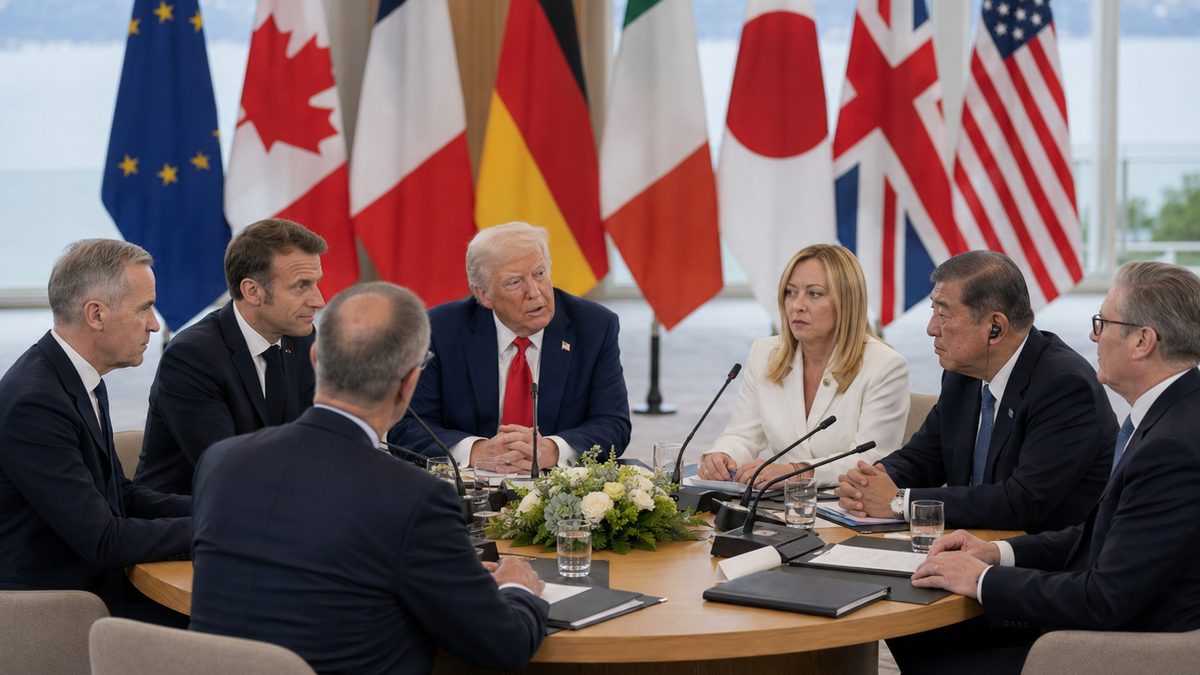
The proposal could become part of a wider affordability fight, but drivers would not see any change unless lawmakers approve a suspension. Editorial illustration by TheDailyGlobe.
Key Facts
- Trump said he supports suspending the federal gasoline tax.
- Congress would have to approve any suspension before it could take effect.
- The federal gasoline tax is 18.4 cents per gallon.
- The federal diesel tax is 24.4 cents per gallon.
- The tax helps fund highway and transit programs.
- Gas-tax relief proposals have drawn interest from lawmakers in both parties.
President Trump said he supports suspending the federal gasoline tax, putting a familiar affordability idea back into the political spotlight as fuel prices remain a concern for many households.
But the proposal would not change prices at the pump by itself. The president cannot pause the federal gas tax on his own. Congress would have to pass legislation before any suspension could take effect.
That distinction matters for drivers trying to understand what could actually change now. A presidential endorsement can shape debate, pressure lawmakers, and set the terms of a policy fight. It does not, by itself, rewrite the tax code.
What Trump Is Proposing
The federal gas tax is charged on fuel and is built into the price drivers pay. The current federal tax is 18.4 cents per gallon for gasoline and 24.4 cents per gallon for diesel. Suspending it would be aimed at lowering the cost of filling up, at least temporarily.
For the White House, the political appeal is easy to understand. Gas prices are one of the most visible costs in American life. Unlike rent, medical bills, or grocery totals, fuel prices are posted in large numbers on signs in nearly every community. When prices rise, voters notice quickly.
A gas-tax pause gives presidents and lawmakers a simple message: they are trying to reduce the cost of driving. That can be especially attractive during periods when voters are frustrated with broader household expenses.
Still, the practical impact would depend on the details of any bill. Congress would have to decide how long a suspension would last, whether it would apply to gasoline, diesel, or both, and whether the government would replace any lost transportation funding during the pause.
What Changes Right Now
For consumers, the clear answer is: nothing changes unless Congress acts. Trump’s support may start or accelerate a debate, but it does not immediately lower the federal tax on fuel.
That is because federal taxes are set by law. A president can call for a change, lobby for it, and sign it if Congress passes it. But the executive branch cannot simply suspend a federal tax because the president favors doing so.
That legal line is important in a moment when policy proposals often move quickly through speeches, interviews, and social media. A proposal is not the same thing as an enacted policy. Until lawmakers pass a bill and the president signs it, the current federal gas and diesel taxes remain in place.
Why Congress Matters
Any real gas-tax holiday would have to move through Congress, where the politics can be more complicated than the slogan. Lawmakers in both parties have shown interest in gas-tax relief proposals in the past, especially when fuel prices rise and voters are looking for immediate help.
But support for relief does not automatically mean support for a specific bill. Members of Congress would have to weigh the benefit to drivers against the effect on transportation funding. They would also have to decide whether a temporary tax pause is the best way to address fuel costs.
The proposal could attract lawmakers who want to show they are responding to high prices. It could also face questions from lawmakers who worry about whether the savings would fully reach consumers, how much revenue would be lost, and what would happen to road and transit funding while the tax is paused.
The Infrastructure Tradeoff
The federal gas tax is not just a line item on a receipt. It helps support highway and transit funding. That makes a pause more complicated than a simple tax cut.
Supporters of a suspension can argue that families need relief now, especially if fuel prices are putting pressure on workers, commuters, small businesses, and people in rural areas who have fewer transportation options. Even a temporary reduction can matter to households that fill up often.
Critics or skeptics can point to the funding side. If the tax is suspended, Congress may have to decide whether to backfill the money from another source or accept less revenue for transportation programs during the pause. That question becomes more important for states and communities that rely on federal support for roads, bridges, and transit systems.
The debate is likely to turn on that balance: immediate relief for drivers versus the long-term need to maintain transportation funding. Both concerns are real. The harder question is whether a temporary gas-tax pause is the most effective way to handle them.
What Drivers Should Watch
The next step is not at the gas station. It is in Congress. Drivers should watch whether lawmakers introduce or advance a bill that would suspend the federal gasoline tax, the diesel tax, or both.
They should also watch the timeline. A short pause would have a different effect than a longer one. A bill that replaces lost transportation funding would raise different budget questions than one that does not. And any proposal would need enough support to pass both chambers before reaching the president’s desk.
For now, Trump’s statement is best understood as a policy push, not a policy change. It signals where the White House wants the debate to go. It does not suspend the tax, and it does not guarantee lower prices.
That leaves the central takeaway simple: the president can back a federal gas-tax pause, but Congress has to make it law before drivers see any direct effect.
Reporting note: Reporting draws on Associated Press coverage, federal gas-tax information, and congressional proposal context from prior gas-tax legislation reporting. All claims This article was produced with AI-assisted research and reviewed by an editor before publication.