Senate Surveillance Vote Puts Privacy and Security Fight on a Deadline
The Senate failed to advance an extension of a key intelligence authority days before it is set to expire, leaving lawmakers little time to settle privacy and national security disputes.
Save Article

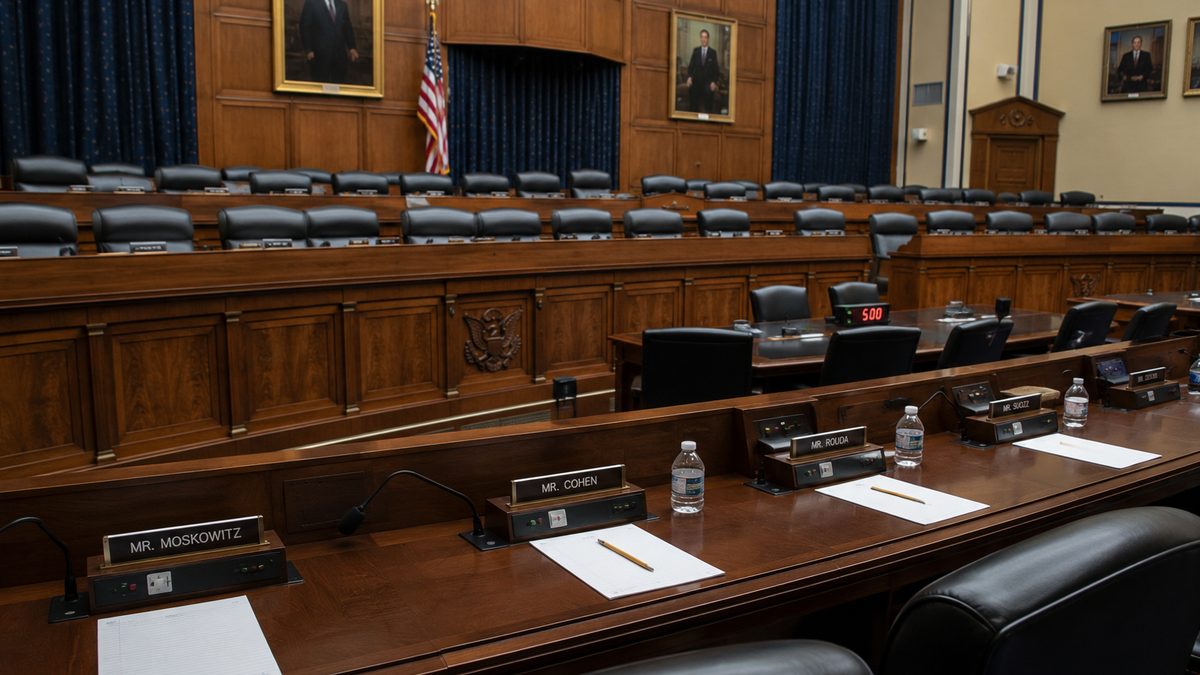
Congress faces a deadline over surveillance authority after a failed Senate vote. Editorial illustration by TheDailyGlobe.
Key Facts
- The Senate voted 47-52 against a procedural motion that would have set up a final vote on the surveillance extension.
- The authority is scheduled to expire on June 12 unless Congress acts.
- The debate includes national security arguments from supporters and privacy concerns from critics.
- Some lawmakers want reforms tied to warrant requirements or stronger oversight.
- Any agreement would still need to clear the Senate and be acceptable to the House.
Most readers do not follow surveillance votes in Congress. But the fight now unfolding in the Senate is about a question that is easy to understand: how much power should the government have to collect communications for national security, and what safeguards should come with that power?
That question moved onto a short deadline early Friday, when the Senate blocked a procedural motion tied to extending a key surveillance authority used by U.S. intelligence agencies. The vote left Congress with only days before the authority is scheduled to expire on June 12.
What the Senate Blocked
The failed vote did not end the issue. It blocked a step that would have moved the Senate closer to a final vote next week. That matters because Congress is now trying to resolve a surveillance fight under deadline pressure rather than through a slower policy debate.
The authority at issue is part of the Foreign Intelligence Surveillance Act and allows intelligence agencies to collect communications from foreign targets without a warrant. Supporters describe it as an important national security tool. Critics focus on the risk that Americans' communications can be swept up incidentally and later searched under rules they say need stronger limits.
That is the center of the public tradeoff. The program is not simply a fight over whether intelligence agencies should be able to monitor foreign threats. It is also a fight over what happens when communications involving Americans are collected along the way, and whether law enforcement or intelligence officials should face a warrant requirement before accessing some of that information.
Why Lawmakers Are Split
The vote brought together lawmakers with different concerns. Some Republicans joined Democrats in opposing the procedural motion. Associated Press reporting tied part of the backlash to President Donald Trump's selection of Bill Pulte, the federal housing finance regulator, to serve as director of national intelligence. Lawmakers also raised broader concerns about privacy, oversight, and the shape of any renewal.
Senate Majority Leader John Thune said the Senate would try again next week and criticized Democratic opposition. Sen. Mark Warner, the top Democrat on the Senate Intelligence Committee, had been involved in negotiations but voted against the motion after criticizing the Pulte selection. Sen. Ron Wyden, a longtime critic of the surveillance system, framed the vote as evidence that reform efforts cut across party lines.
Those statements show why the politics are messy. Some lawmakers are focused on the intelligence appointment. Others are focused on warrant requirements, transparency, or surveillance limits. The failed vote does not prove that any one concern explains the outcome by itself.
What This Means for Readers
For readers, the practical issue is not the procedural language of the Senate vote. It is the rulebook Congress is writing for surveillance power. If the authority is extended cleanly, intelligence agencies keep a tool they say is important for monitoring foreign threats. If lawmakers add reforms, the government may face new limits or transparency requirements. If Congress misses the deadline, lawmakers and intelligence officials would have to deal with the consequences of an expired authority.
Privacy advocates have long argued that Americans need stronger protections when their communications are pulled into surveillance aimed at foreign targets. National security officials and supporters of the authority argue that the program helps the United States monitor threats abroad. Both arguments are real, and the deadline is forcing the Senate to decide how much of that fight can be settled before June 12.
What Remains Unclear
Several important questions remain unsettled. It is not yet clear whether the Senate can revive an extension before the deadline. It is also unclear what reforms, if any, would be included in a final package, or whether the House would accept Senate changes.
The Senate's next move matters because any agreement would still have to clear the chamber's 60-vote threshold. The House also has its own unresolved differences, including a provision related to central bank digital currency that House Republican leaders added to secure support.
What to Watch Next
The next test is whether Senate leaders can bring lawmakers back to the table and find enough votes for either a clean extension, a revised package, or a short-term bridge. Watch for whether warrant language, oversight provisions, or transparency measures become part of the final negotiations.
The deadline gives the issue urgency, but it should not obscure the larger point. Congress is not just deciding whether to keep a surveillance authority alive. It is deciding what limits, checks, and public accountability should surround a powerful intelligence tool.
Reporting note: Reporting draws on Associated Press reporting, U.S. Senate vote records, official Senate materials, and reviewed background materials. This article was produced with AI-assisted research and reviewed by an editor before publication.