House Vote Leaves Women’s History Museum Plan Uncertain
The House rejected a bill tied to the Smithsonian American Women’s History Museum, leaving the National Mall plan uncertain after disputed amendments changed the proposal.
Save Article
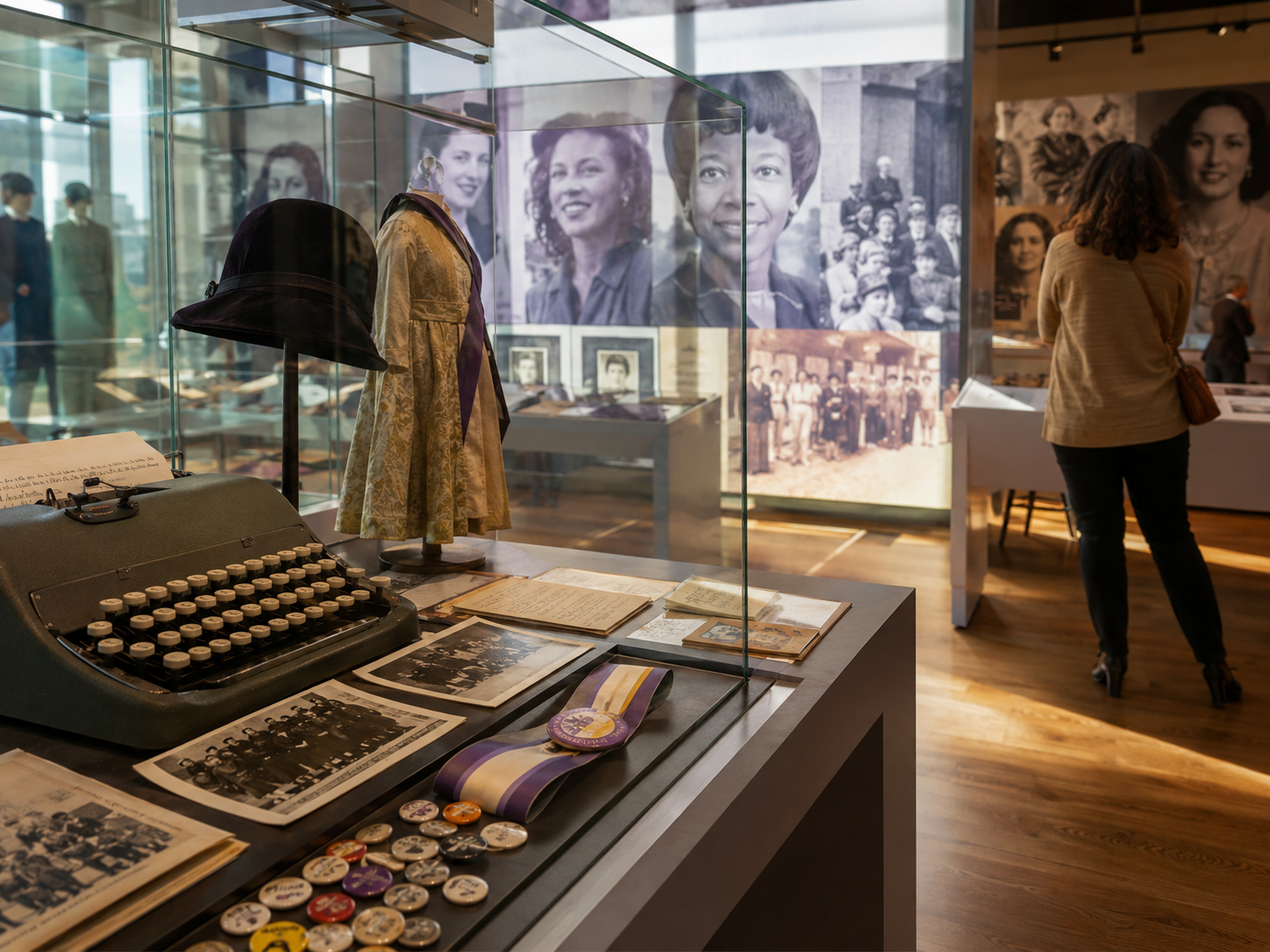
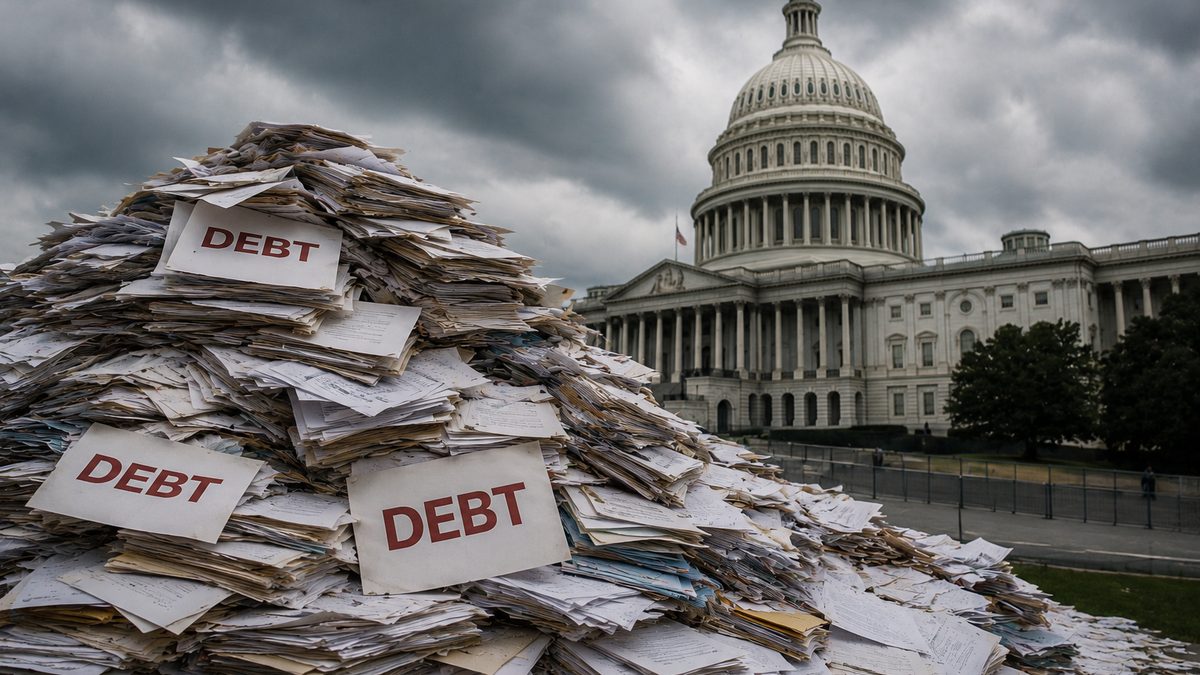
The House rejected a bill tied to the Smithsonian American Women’s History Museum, leaving the National Mall plan uncertain after disputed amendments changed the proposal. Editorial illustration by TheDailyGlobe.
The House rejected a bill tied to the Smithsonian American Women’s History Museum, leaving uncertain whether the proposed museum will move forward on the National Mall under the current plan.
The bill failed 204-216 after a proposal that had previously drawn bipartisan support became disputed over amendments that changed the bill’s language and authority. The measure concerned locating the Smithsonian American Women’s History Museum on the National Mall.
What the House Rejected
The vote did not eliminate the idea of a women’s history museum. It stopped this version of the bill from advancing in the House.
According to the source material, the proposal became contested after amendments changed parts of the bill. That shift matters because congressional support for museum legislation often depends not only on the broad idea, but on the exact language lawmakers are being asked to approve.
Why the Vote Became Disputed
The parties disagree over why the bill failed, and those explanations should be attributed rather than treated as settled fact. Supporters and opponents have described the amendments and the bill’s final language differently.
The practical result is clearer: the House did not pass the bill. That leaves lawmakers with the choice of reviving the proposal, rewriting it, or leaving the museum plan unresolved for now.
What Remains Unclear
It remains unclear whether the museum plan will return in revised form or whether lawmakers can restore bipartisan support. A future version could adjust the language, change the authority given under the bill, or attempt to separate the museum location question from the disputes that shaped this vote.
For readers, the main takeaway is procedural but important. A national museum plan that once appeared to have a wider path through Congress is now uncertain because the final version lawmakers considered could not hold enough support to pass the House.
Reporting note: Reporting draws on House records, House Rules Committee materials, national reporting, GovInfo legislative materials, and reviewed background materials. This article was produced with AI-assisted research and reviewed by an editor before publication.