Trust in News Will Not Be Rebuilt by Asking Readers to Guess
News organizations cannot rebuild trust with slogans alone. Readers should be able to see the sourcing, limits and judgment inside the work itself.
Save Article

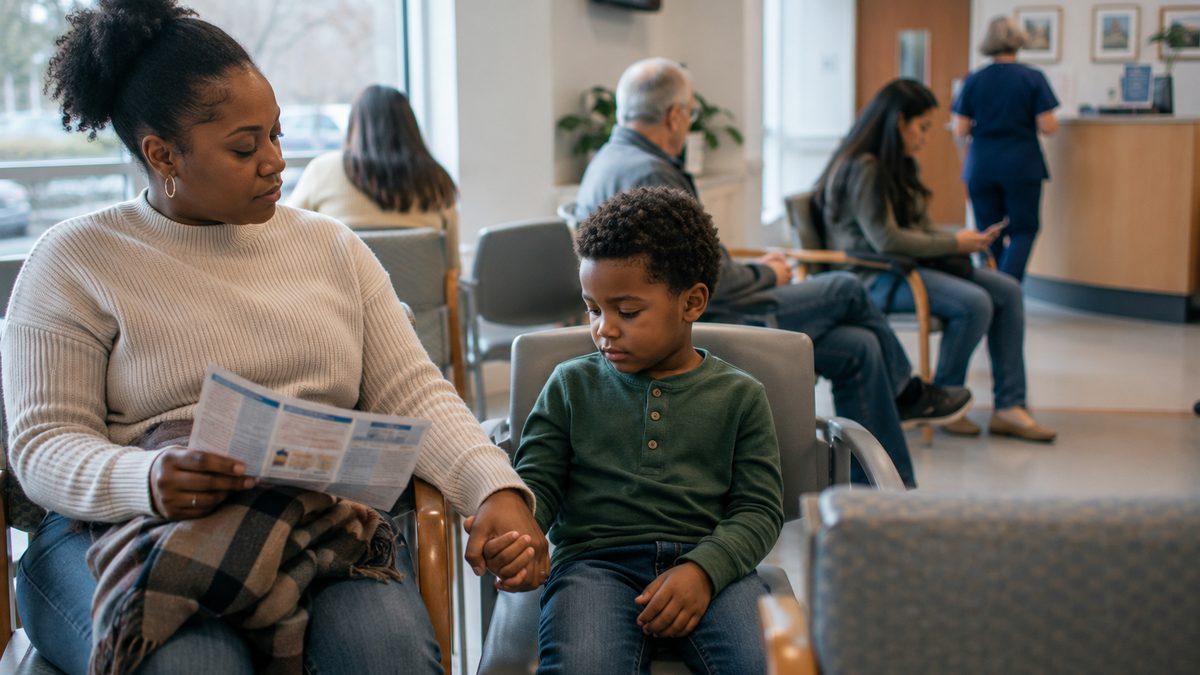
News organizations cannot rebuild trust with slogans alone. Readers should be able to see the sourcing, limits and judgment inside the work itself. Editorial illustration by TheDailyGlobe.
Trust in news will not come back because news organizations ask for it. It will come back, if it does, because readers can feel the difference between work that respects them and work that is trying to move them.
That is a hard standard, but it is the right one. A reader should not have to guess whether an article is sourced, current, fair, corrected, padded, rushed, copied, slanted or built to keep them angry. The work itself should answer those questions.
Pew Research Center's 2026 research describes a public that still sees news as important to civic life, including voting, while also feeling overwhelmed and skeptical. That is the central tension for modern journalism: people need reliable information, but many no longer trust the systems delivering it.
The Problem Is Not Just Distrust
Distrust is often treated as the reader's problem. The public is too cynical, too distracted, too partisan, too addicted to social media, too unwilling to pay. Some of that criticism may be fair in pieces. Readers do have a responsibility to distinguish reporting from commentary, rumor, viral clips and algorithmic noise.
But newsrooms should be careful with that argument. If the response to distrust is mostly to scold readers, the industry has already missed the point.
Readers did not imagine every problem. They have seen headlines that overpromise, stories that bury uncertainty, corrections that are hard to find, opinion dressed up as straight news, and coverage that seems more interested in outrage than understanding. They have watched the same event get turned into different team narratives depending on where they read it.
That does damage. Not because every journalist is careless or every outlet is corrupt, but because trust is fragile. Once readers believe they are being handled, sold to or recruited, even good reporting has to fight uphill.
Slogans Cannot Replace Standards
News organizations love trust language. Independent. Verified. Balanced. Reader-first. Transparent. Essential. Those words can be true, but they are not proof.
The proof is in the article. Does it tell the reader what is confirmed? Does it label allegations as allegations? Does it separate facts from claims? Does it say what remains unclear? Does it avoid pretending one source is enough when the story needs more? Does it resist the urge to make every development sound historic?
A trustworthy article does not need to shout that it is trustworthy. It shows its work calmly. It gives the reader enough context to understand the issue without being pushed toward panic, contempt or a team identity.
That does not mean journalism should be timid. Balance should not mean hiding from facts. If a claim is unsupported, say so. If a public official dodges the point, say so. If a policy has tradeoffs, explain them. If a controversy is being framed in a way that makes people angrier but not better informed, name that too.
The Money Problem Is Real
There is a counterpoint that deserves respect: good reporting costs money. Reporters, editors, photographers, data work, legal review, travel, records requests and technology are not free.
Pew's 2026 analysis says funding is central to journalism's sustainability, while few Americans say paying for news is their responsibility. That is a real problem for newsrooms trying to serve the public without becoming dependent on clickbait, platform traffic, billionaire ownership, political patronage or endless advertising pressure.
But readers are not wrong to be selective. If a publication asks people to pay or support it, the publication has to make the value clear. Not through guilt. Not through civic panic. Through work that leaves people better informed than they were before they opened the article.
The Reuters Institute's 2026 journalism trends report describes pressure on publishers from generative AI, creator-led media, platform disruption and audience changes. Those pressures are real. They also make standards more important, not less. When information is everywhere, trust has to be earned with discipline.
What Readers Should Be Able to See
A reader should be able to tell why a story exists. Not every story has to be dramatic. Not every article has to expose wrongdoing. But every article should answer a real reader question.
What happened? Why does it matter? How could this affect ordinary people? What is still unknown? What happens next? These are simple questions, but they force journalism to stay useful.
Readers should also be able to see limits. If a study is early, say it is early. If a lawsuit contains allegations, say they are allegations. If an agency has announced a rule but not the implementation details, do not fill the gap with confident speculation. If an article relies on one outlet's reporting, be honest about that and do not dress it up as independent confirmation.
Corrections matter too. A news organization that never admits mistakes is not strong. It is asking readers to believe something no honest newsroom can promise.
Trust Has to Feel Different
The future of news will not be saved by volume alone. More articles, more posts, more alerts and more commentary can easily become more noise.
The better goal is not to make readers consume more. It is to make the time they do spend with news feel worthwhile. A reader should leave clearer, calmer and better equipped to understand the world, not more agitated and less sure what is true.
That is the standard news organizations should hold themselves to. Do not demand trust. Do not hide behind slogans. Do not make readers decode whether the article is fair, sourced or current. Show them.
Trust is not rebuilt in a mission statement. It is rebuilt one article at a time, in the choices readers can see.
Reporting note: Reporting draws on Pew Research Center studies, Reuters Institute journalism trends research, public media-trust data, and reviewed background materials used to ground the argument. This article was produced with AI-assisted research and reviewed by an editor before publication.