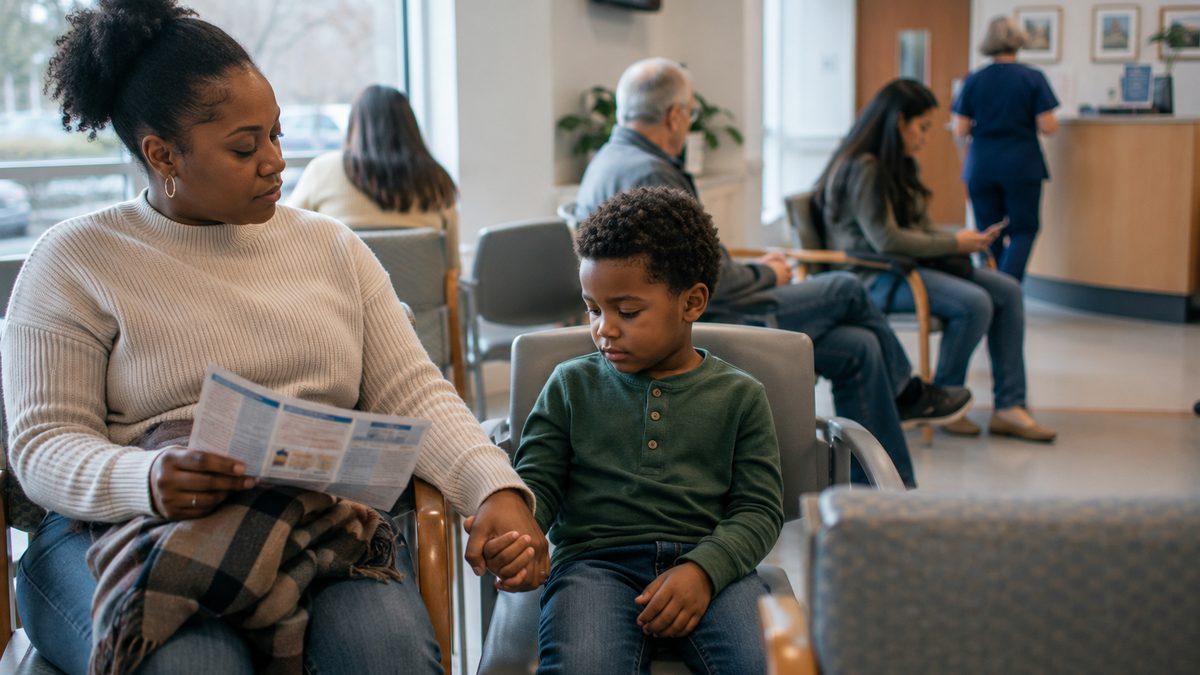
Neighbor Trust Is a Left and Right Issue, Not Nostalgia
Communities do not need to romanticize the past to see why knowing nearby people matters before storms, illness or emergencies arrive.
Save Article
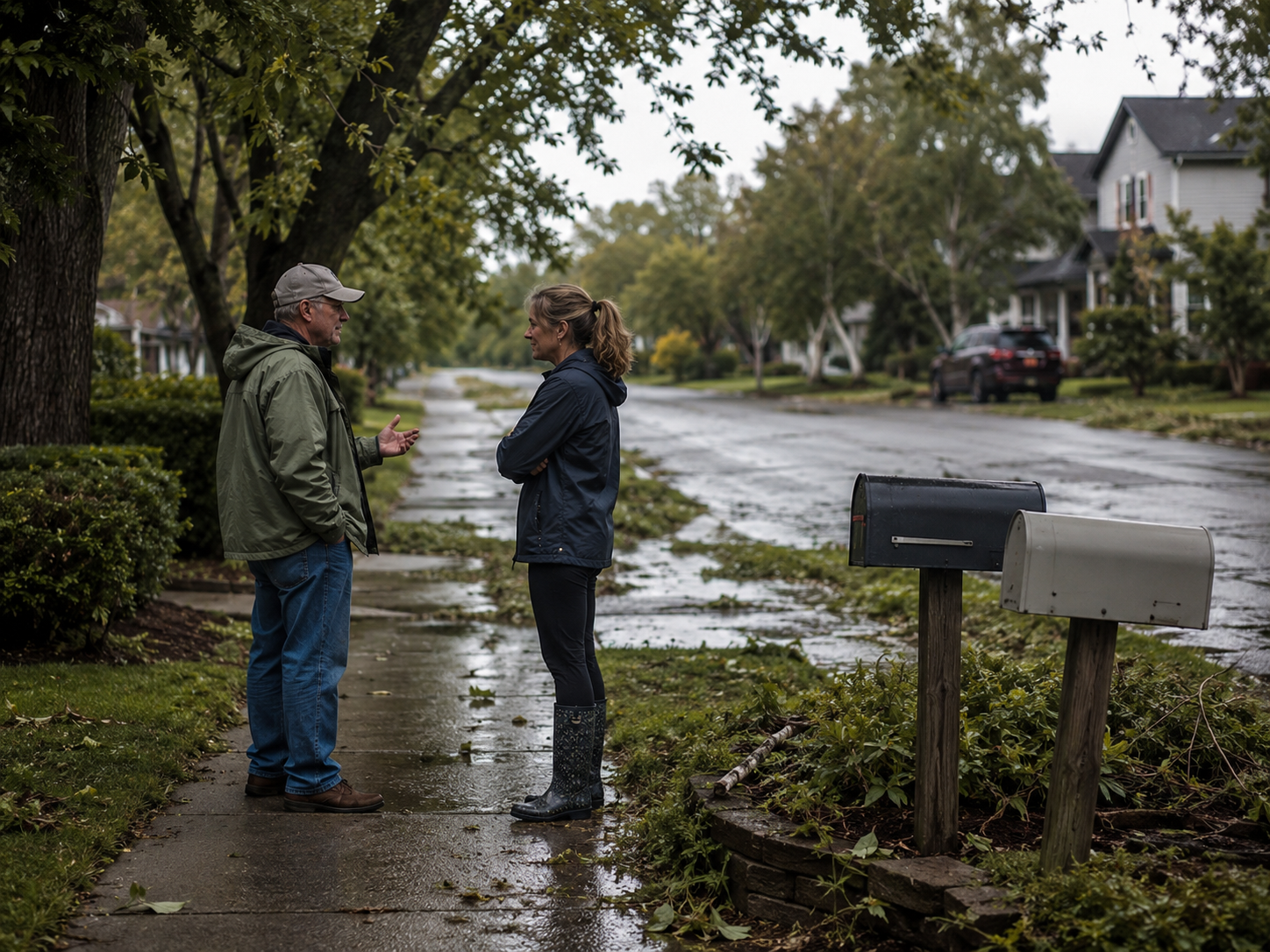
Community trust can matter most when ordinary routines are interrupted by illness, storms or other emergencies. Editorial illustration by TheDailyGlobe.
The power goes out after a storm, and suddenly the most important question on the block is not political, ideological or complicated.
It is simple: Who might need help?
An older neighbor may need a phone charged or a ride to a cooling center. A parent may need someone to watch a child while they check on a relative. A person recovering from illness may not be able to clear a walkway, carry supplies or get to the store. Official systems matter, but they rarely arrive at every door first.
That is why neighbor trust should not be treated as sentimental nostalgia. It is practical civic infrastructure.
Knowing Nearby People Still Matters
Pew Research Center reported in 2025 that 26 percent of U.S. adults say they know all or most of their neighbors. Pew also reported that 44 percent say they trust all or most of their neighbors.
Those numbers do not mean Americans are cold or careless. Many people are busy, tired, private, cautious or living in places where neighbors change often. Apartment buildings, long commutes, remote work, safety concerns and fragmented schedules can all make casual connection harder than it sounds.
Still, the gap matters. A country can be crowded and disconnected at the same time. People can live within yards of one another and still not know who might check on them during an outage, illness, job loss or family emergency.
This Is Not About Being Nosy
There is a fair concern here. People have good reasons to value privacy, boundaries and safety. Not everyone wants neighbors in their business, and not every neighborhood is equally easy to trust. Some people have learned caution for good reasons.
Neighbor trust also cannot replace emergency services, health care, social services or family support. A friendly block is not a substitute for a functioning public system.
But privacy and connection are not opposites. Communities do not need to become intrusive to become more prepared. A person can know a neighbor’s first name, share a phone number, notice when something seems wrong, or understand who may need help without turning local life into surveillance.
Connection Is Part of Public Health
The CDC identifies social connection as relevant to health and well-being. That does not mean every neighborly conversation is a medical intervention, and it should not be stretched into individual health claims. But it does support a basic point: isolation is not just a private feeling. It can be part of a wider community condition.
AARP research and reporting have also highlighted loneliness among middle-aged and older adults. That context matters because many people most likely to need practical help are also the people who can become easiest to miss.
The issue is not whether everyone should become outgoing. They should not have to. The issue is whether communities create enough low-pressure ways for people to recognize one another before trouble arrives.
Preparedness Starts Small
Preparedness often gets discussed in terms of supplies: batteries, water, flashlights, backup chargers, emergency alerts. Those matter. But a neighborhood where nobody knows who lives nearby is missing another kind of preparation.
The same is true beyond storms. Neighbor trust can matter when an elderly resident stops appearing outside, when a family loses income, when a parent needs a last-minute ride, when a heat wave hits, or when someone is quietly struggling and needs a human being to notice.
Communities that know one another are not magically protected from crisis. They are simply less likely to face every crisis as a collection of isolated households.
The Work Belongs Close to Home
There is no single program that can rebuild local trust everywhere. A rural road, a suburban block, an apartment hallway and a dense city neighborhood do not work the same way. What helps in one place may feel awkward or useless in another.
That is why local institutions matter. Libraries, schools, churches, neighborhood groups, workplaces and local governments can create ordinary, low-pressure points of contact. Not every effort has to be a formal initiative. Sometimes the useful thing is a block meeting, a school event, a library program, an emergency-preparedness list, or a simple way for residents to know who may need a check-in.
The country should stop treating neighborliness as a personality trait and start treating it as civic readiness. Some people will always prefer more privacy, and that should be respected. But privacy should not have to mean isolation.
Readers should watch what their own communities make easy or hard. Are there places where people can meet without pressure? Are older residents visible? Do renters and homeowners have equal ways to connect? Do emergency plans include people who may not have family nearby?
America does not need to romanticize a past that was never as simple as people remember. It does need to rebuild the practical trust that helps people get through ordinary and extraordinary trouble. The next crisis should not be the first time neighbors learn each other’s names.
Reporting note: Reporting draws on public records, survey research, public health materials, established reporting, and reviewed background materials used to ground the argument. This article was produced with AI-assisted research and reviewed by an editor before publication.