Congress Should Not Let Program Deadlines Become a Governing Strategy
Fiscal deadlines can force decisions, but Congress should not keep turning basic government funding into recurring brinkmanship.
Save Article

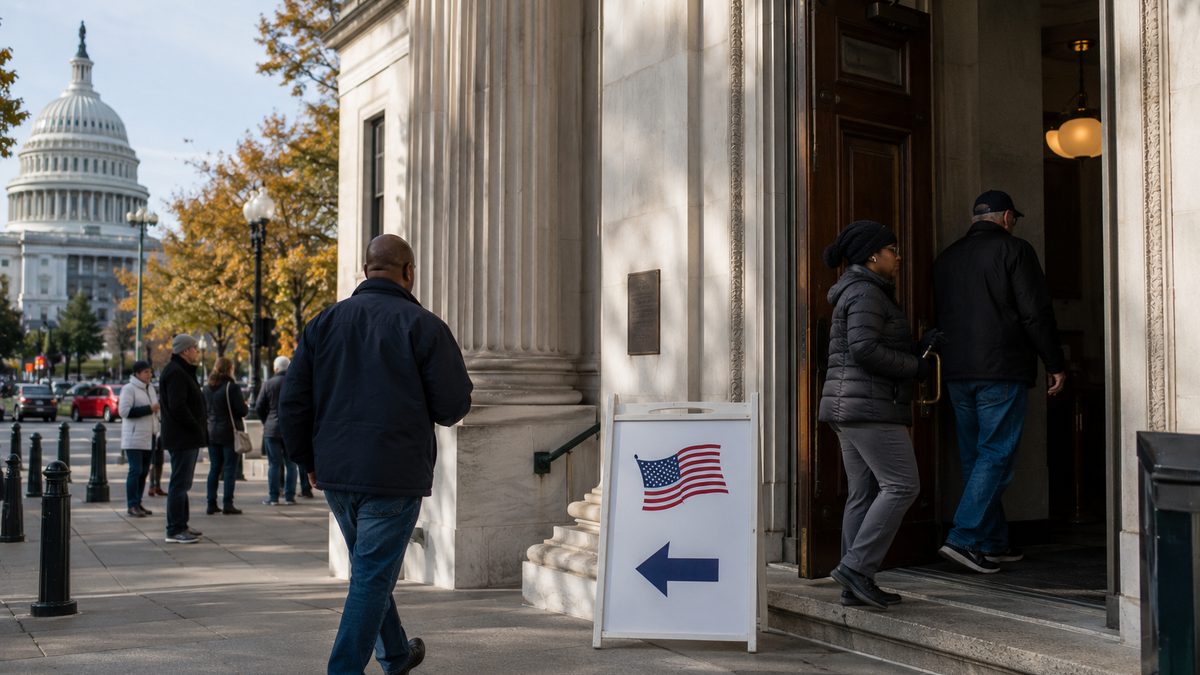
Fiscal deadlines should force accountability, not turn basic governing into recurring brinkmanship. Editorial illustration by TheDailyGlobe.
Most Americans do not live by pretending every bill, paycheck and obligation can wait until the last possible minute. They should not have to accept that as normal government.
Congress has real disagreements to settle over spending, taxes, deficits, debt and the proper size of government. Those debates are legitimate. What is not legitimate is allowing routine fiscal deadlines to become a governing method, where the public is asked again and again to absorb the uncertainty created by late decisions.
The Committee for a Responsible Federal Budget's 2026 deadline tracking points to recurring fiscal pressure points, including government funding and debt-limit-related issues. The Congressional Budget Office projects a $1.9 trillion federal deficit for fiscal year 2026 and federal debt rising to 120 percent of gross domestic product by 2036. Those numbers do not argue for panic. They argue for seriousness.
Deadlines Should Not Become Leverage by Default
Deadlines have a purpose. They can force lawmakers to vote, negotiate and stop postponing hard choices. In a divided government, where parties and chambers may genuinely disagree, some friction is unavoidable.
But a deadline is supposed to serve the public process. It should not become the process itself.
When Congress repeatedly relies on last-minute negotiations, temporary extensions and crisis votes, it shifts the cost of its own delay onto others. Federal workers wonder whether their paychecks will be disrupted. Agencies try to plan without reliable funding. Businesses and state governments that depend on federal decisions face uncertainty. Families who rely on public services are left watching Washington turn basic administration into a suspense drama.
That is not fiscal discipline. It is a failure to distinguish between hard debate and poor management.
The Debt Limit Is Often Misunderstood
One reason these fights become so noisy is that different fiscal tools get blurred together. The Treasury Department explains that the debt limit does not authorize new spending. It allows the federal government to finance legal obligations that have already been made.
That distinction matters. Lawmakers should debate future spending before they approve it. They should argue openly about taxes, borrowing, deficits and program priorities. But threatening the government's ability to meet existing obligations is a different kind of pressure.
Voters should be able to judge Congress on the choices it makes, not on how close it comes to avoidable disruption before making them.
Temporary Patches Have a Public Cost
House appropriations records for fiscal year 2026 show a funding process that included continuing appropriations and enacted full-year legislation. That may sound procedural, but the practical meaning is simple: parts of government often operate under stopgap arrangements while Congress works through delayed funding decisions.
Continuing resolutions can be necessary. They can prevent a shutdown and buy time when full-year bills are not finished. But when temporary patches become routine, they also make it harder for agencies and communities to plan responsibly.
A school district waiting on federal support, a contractor working with an agency, a local government planning around grant money or a family relying on a public service may not care which parliamentary maneuver caused the uncertainty. They experience the result: delayed clarity from the people elected to provide it.
The Fair Counterpoint
There is a fair argument that deadlines can prevent drift. Without them, Congress might avoid tough votes even longer. There is also no honest way to pretend budgeting is easy. A large federal government, narrow majorities, divided control and real philosophical disagreements all make the process difficult.
Those facts deserve acknowledgment. Not every missed deadline is proof of bad faith. Not every temporary measure is reckless. Sometimes compromise takes time.
But difficulty cannot become an excuse for normalizing crisis governance. A serious legislature can disagree strongly and still build a process that is more orderly, transparent and predictable than repeated brinkmanship.
What Congress Should Be Judged On
Readers should judge Congress not only by what it funds, but by whether it can fund the government in a timely and responsible way. Process is not a boring side issue when the process itself affects public workers, agencies, businesses, markets and communities.
The question is not whether lawmakers should stop debating. They should debate. The question is whether they can stop using avoidable deadline pressure as a routine operating tool.
Congress should reduce its reliance on last-minute crisis votes, temporary extensions and brinkmanship around basic obligations. Fiscal deadlines should force accountability. They should not become the strategy by which the public's business gets done.
The next fiscal fight will bring familiar claims about urgency, responsibility and leverage. Readers should look past the theater and ask the simpler civic question: did Congress plan, deliberate and act like a serious governing body, or did it again make the country wait while it turned a deadline into a weapon?
Reporting note: Reporting draws on public records, official statements, federal budget projections, fiscal deadline tracking, and reviewed background materials used to ground the argument. This article was produced with AI-assisted research and reviewed by an editor before publication.