Adults-Only Restaurants Are Not Anti-Kid. They Are Pro-Occasion.
Some restaurants are built for quiet conversation, anniversaries, and adult evenings. That does not make them hostile to families.
Save Article
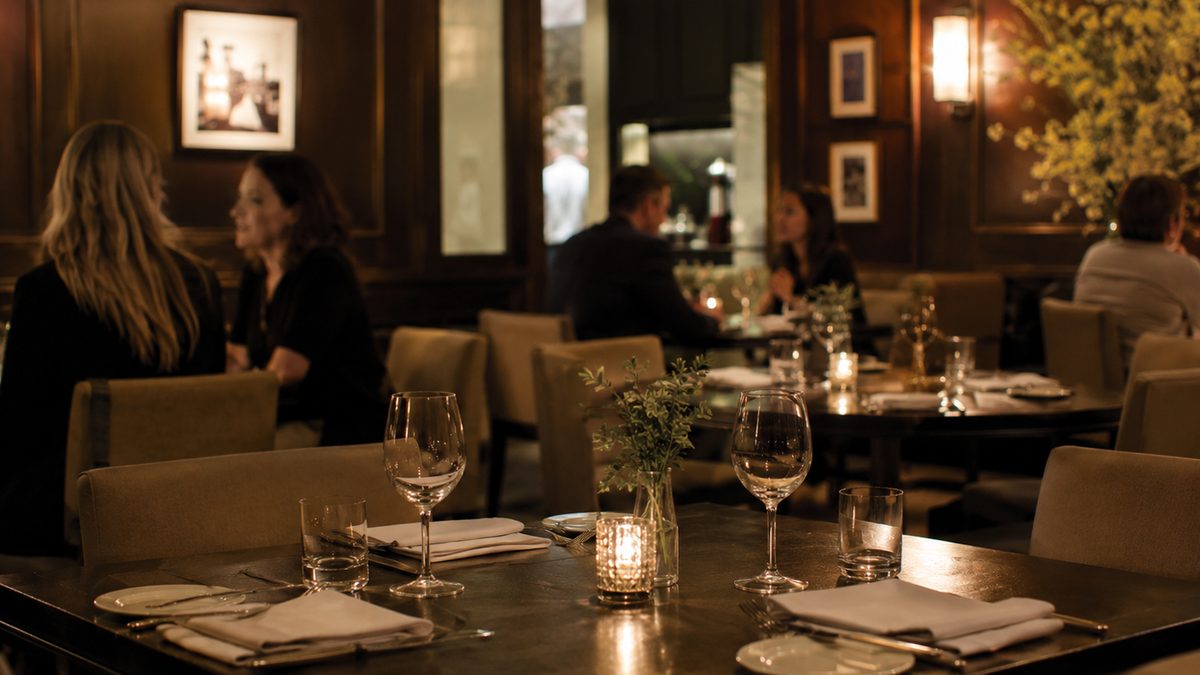
Some dining rooms are built around quiet conversation, special occasions, and a specific kind of evening out. Editorial illustration by TheDailyGlobe.
There is a difference between saying children should not exist in public and saying every public place does not need to be designed around children.
That distinction gets lost almost immediately whenever adults-only restaurants come up. The conversation usually races toward the loudest possible version of itself: anti-kid adults on one side, offended parents on the other, everyone pretending the only choices are chaos or exile.
But the better argument is simpler and less dramatic. Some restaurants are built for a particular kind of night. Quiet conversation. A date. An anniversary. A long dinner where nobody is trying to cut chicken tenders into safe pieces while also apologizing to the table next door.
That does not make those places anti-family. It makes them honest about the experience they are trying to provide.
Different Places Can Have Different Purposes
A recent Lightspeed Commerce survey reported that 75% of consumers support adults-only dining options. Parents also covered the debate as a live parenting and etiquette issue, including the reality that many parents themselves understand the appeal of kid-free restaurant spaces.
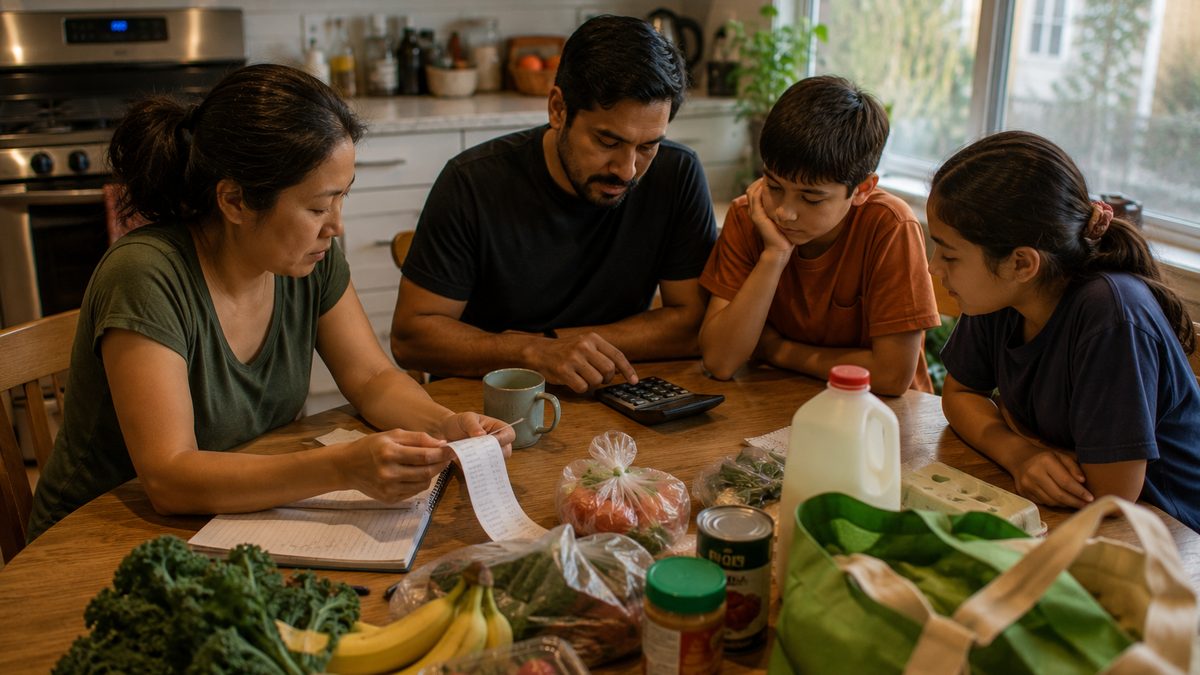
That last part matters. This is not simply a fight between people who have children and people who do not. Plenty of parents love their kids and still want one dinner where the whole point is not managing ketchup, crayons, bathroom breaks, and the terrifying physics of an open water glass.
The idea that adults-only dining is automatically hostile to children misses how public life already works. Bars are different from playgrounds. Libraries are different from trampoline parks. A fast-casual restaurant on a Saturday afternoon serves a different purpose than a small, candlelit dining room built around reservations and long meals.
Most people understand this in practice. They just get nervous when someone says it out loud.
The Rule Should Be Clarity, Not Shame
Adults-only dining is fair only if it is clear upfront. A restaurant should not embarrass parents at the door, spring a policy on a family after they arrive, or act as if bringing children into public is some kind of moral failure.
Families need welcoming public spaces. Parents already navigate enough sideways looks, uneven rules, and places that claim to be family-friendly while offering nothing that makes family dining easier. Communities also vary. In some towns, parents may not have many affordable, comfortable places to eat with children.
So the answer is not a smug little sign that says children are the problem. The answer is transparency. If a restaurant is designed for adults, say so plainly before people book, drive over, or plan a night around it.
That is not punishment. It is expectation-setting.
Dining Out Is Still a Big Part of American Life
OpenTable’s 2026 dining trend reporting points to restaurants remaining central to how Americans spend time, celebrate, socialize, and mark occasions. That makes expectations around dining more than a niche restaurant-industry issue.
People spend real money to go out. Sometimes they are paying for convenience. Sometimes they are paying for food they cannot make at home. Sometimes they are paying for the rare chance to sit across from another adult and finish a sentence.
That experience has value too. It is not anti-child to protect it in certain settings. It is pro-occasion.
Public life works better when we stop pretending every space must serve every purpose at once. Some restaurants should be great for families. Some should be relaxed and noisy and forgiving. Some should have booster seats, kids menus, and servers who know exactly how fast macaroni and cheese needs to arrive.
And some should be allowed to say: this room is for adults tonight.
The Problem Is Not Children Existing in Public
Children belong in public. Families belong in public. A society that treats kids as an inconvenience everywhere becomes colder and less humane.
But that does not mean adults lose the right to a few quieter spaces. A reasonable adults-only policy is not a judgment on childhood. It is a boundary around a specific experience.
The same courtesy should run both ways. Adults should not sneer at parents for taking children to ordinary restaurants. Parents should not treat every dining room as if it must absorb any level of noise, wandering, or disruption just because children are part of life.
A little honesty would go a long way. Restaurants should know what kind of night they are selling. Customers should know what kind of room they are entering. Nobody needs to turn dinner into a culture war.
A Better Dining Truce
The sensible middle ground is not complicated. Adults-only dining can be fair when it is limited, transparent, and matched to the setting. Family-friendly dining should be easy to find, clearly welcomed, and treated as a normal part of community life.
That arrangement asks everyone to give up the most self-centered version of the argument. Adults do not get to act as if children are a public nuisance. Parents do not get to insist that every room must be built around family life.
Different places can serve different needs. That is not exclusion. It is how a healthy public culture makes room for more than one kind of evening.
Reporting note: Reporting draws on survey data, consumer dining trend reporting, lifestyle coverage, and reviewed background materials used to ground the argument. This article was produced with AI-assisted research and reviewed by an editor before publication.