Why the American Music Awards Still Matter in a Fan-Voted Music World
The 2026 AMAs showed how fan voting, streaming attention, social media, and traditional TV still overlap in American pop culture.
Save Article
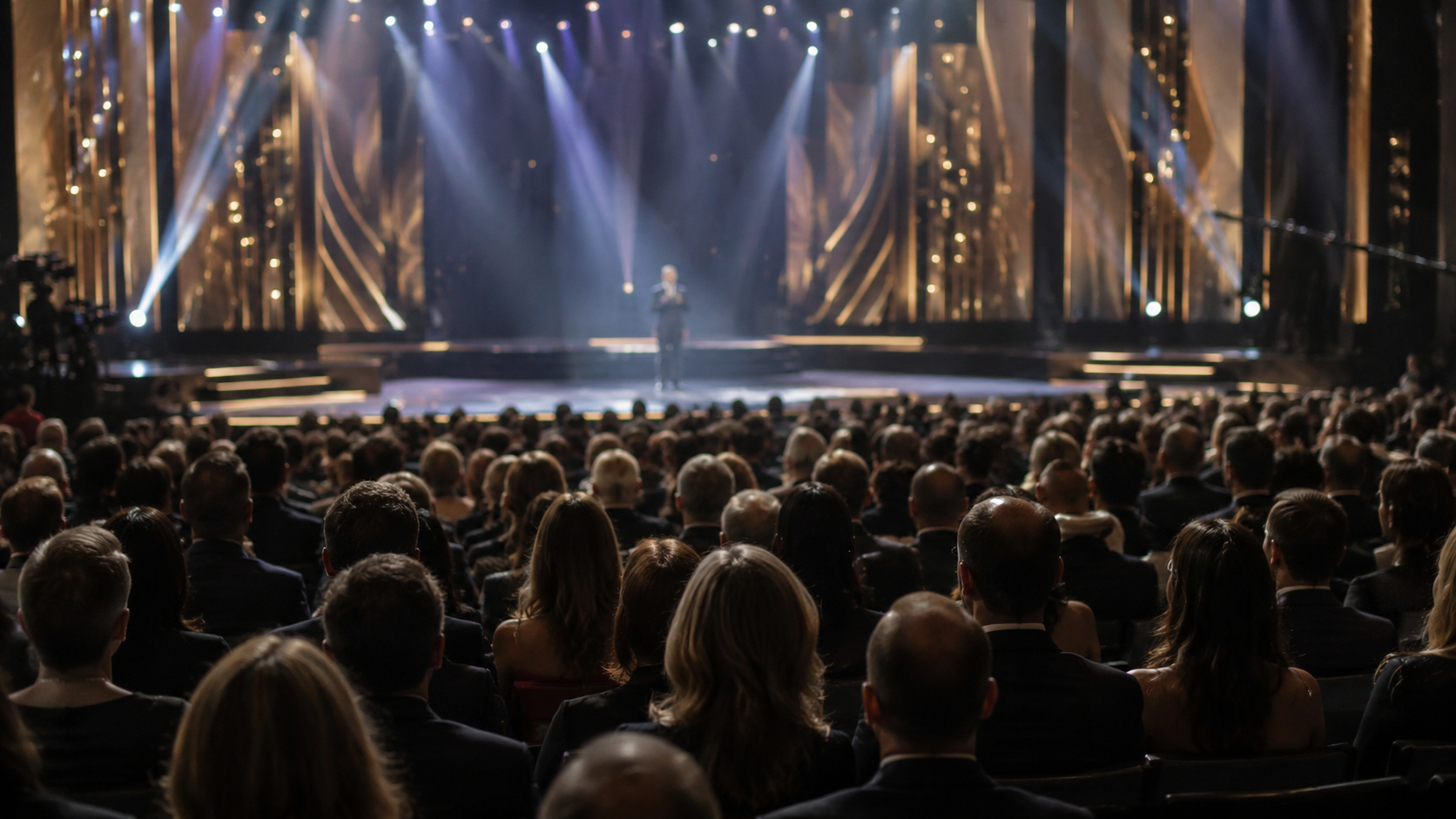
Editorial illustration by TheDailyGlobe.
Key Facts
- The 52nd American Music Awards aired live on May 25, 2026, from the MGM Grand Garden Arena in Las Vegas.
- Queen Latifah hosted the show.
- Taylor Swift led the nominations with eight.
- Morgan Wallen, Olivia Dean, Sabrina Carpenter, and Sombr followed with seven nominations each.
- The show aired on CBS and streamed on Paramount+, and the AMAs published official voting guidance for fans.
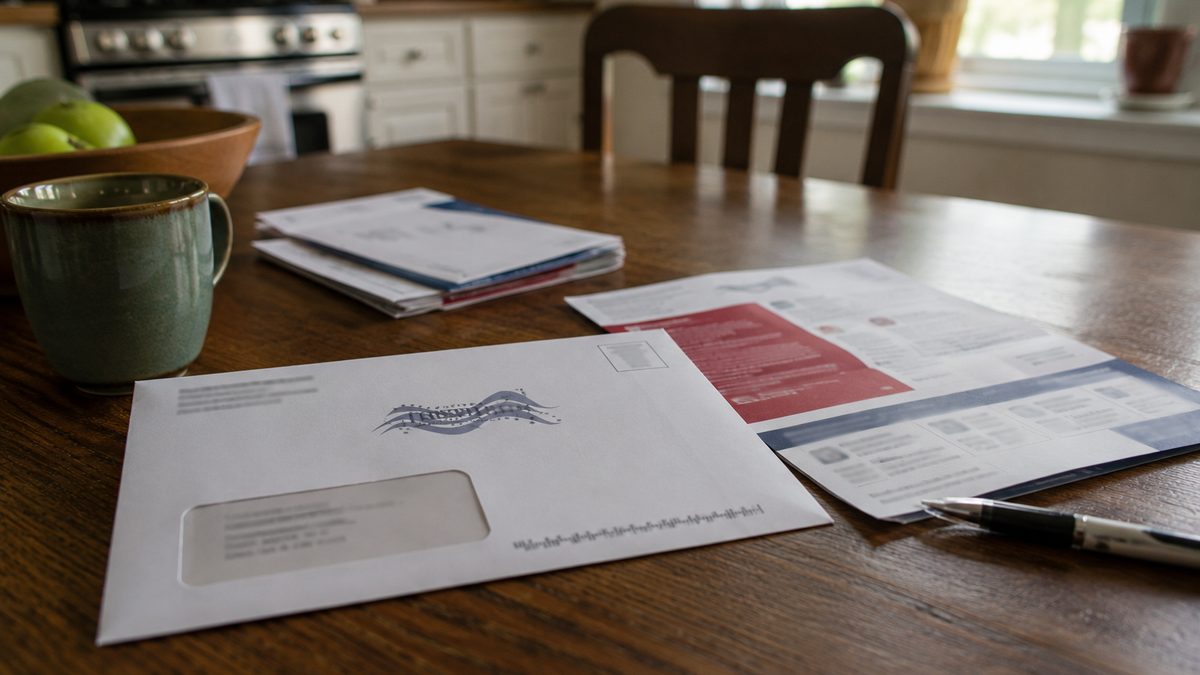
The American Music Awards returned Monday night with a familiar promise: fans, not a small panel of insiders, would help decide who gets recognized.
The 52nd American Music Awards aired live on Memorial Day from the MGM Grand Garden Arena in Las Vegas, with Queen Latifah hosting. The show was broadcast on CBS and streamed on Paramount+, placing a fan-voted music event back inside one of the oldest formats in entertainment: a live television awards show.
That mix is what makes the AMAs useful to understand in 2026. Music attention now moves through streaming platforms, short-form video, fan accounts, playlists, touring clips, award campaigns, and old-fashioned broadcast moments. The AMAs do not measure all of that perfectly. No award show does. But because the show leans on fan voting, it still gives a public snapshot of which artists have built audiences active enough to turn attention into recognition.
A Fan Vote Is Still a Different Signal
Most major awards shows are built around industry judgment. Voters inside an academy, guild, critics group, or professional organization decide what deserves recognition. That can reward craft, reputation, peer respect, or a long campaign inside the business.
The AMAs work differently. Their fan-voting structure makes the show less like a private industry verdict and more like a public contest of attention. That does not make the results more pure or more objective. Fan voting can reflect organization, online enthusiasm, artist loyalty, and the size of a digital community as much as the music itself. But that is also why the show remains culturally revealing.
In a year when Taylor Swift led all nominees and artists including Morgan Wallen, Olivia Dean, Sabrina Carpenter, and Sombr followed close behind, the nominations pointed to a pop landscape split across several kinds of power: superstar scale, country crossover, newer voices, streaming momentum, and intense online followings.
That spread matters because pop culture no longer moves through one main gate. A song can break through radio, streaming charts, TikTok clips, tour footage, fan edits, television performances, or some combination of all of them. A fan-voted awards show becomes one more place where those forms of attention collide.
Why Award Shows Still Fight for Attention
Awards shows have had a harder job in recent years. Viewers do not need to wait for a broadcast to see performances, red-carpet photos, acceptance speeches, or celebrity moments. Much of that content appears online almost immediately, broken into clips built for social platforms.
That does not make the live show irrelevant. It changes what the live show is for.
For networks and streamers, a live awards show still creates appointment viewing in an era when much of entertainment is watched on demand. For artists, it creates a concentrated stage where a performance, win, tribute, or surprise appearance can travel beyond the people watching live. For fans, it creates a shared event that can be followed on television, on a phone, or through a flood of clips and posts.
The AMAs sit directly inside that shift. The broadcast gives the show a traditional frame. Paramount+ gives it a streaming path. Fan voting gives viewers a sense of participation before the winners are announced. Social media then turns pieces of the show into the next round of attention.
What the 2026 Nominations Showed
The nominations themselves showed how wide the current music map has become. Swift’s eight nominations reflected the staying power of a dominant pop figure. Wallen’s seven nominations reflected country music’s continued presence in the broader pop conversation. Sabrina Carpenter’s recognition reflected how quickly a performer can move from rising star to mainstream fixture. Olivia Dean and Sombr’s strong nomination totals pointed to the awards show’s interest in newer or fast-rising acts alongside established names.
For regular listeners, that means the AMAs are not just a list of trophies. They are a guide to what kinds of audiences are showing up loudly enough to be counted. Some are long-built fan bases. Some are newer listeners gathered through streaming and social media. Some cross genre lines that used to feel more separate.
That is one reason fan-voted awards can feel messy but still useful. They do not simply answer which album or song was best. They show which artists have fans willing to act, vote, post, argue, celebrate, and keep the conversation moving.
What Fan Voting Can and Cannot Tell Us
Fan voting should not be mistaken for a complete measure of musical quality. A voting system can reward the most organized fan bases. It can favor artists with strong online communities. It can make popularity visible without explaining why one song lasted longer, why one album mattered more to listeners, or why one performance connected.
But that limitation is not the same as meaninglessness. Popular music has always been partly about audience response. Record sales, radio requests, concert demand, streaming totals, chart runs, and online discussion all measure different pieces of that response. Fan voting measures another piece: whether listeners feel attached enough to participate.
That attachment is important in the modern music economy. Artists are not only competing for one purchase or one radio spin. They are competing for repeat listening, saved songs, ticket sales, merchandise, social posts, and long-term fan identity. The AMAs put part of that relationship on public display.
The Culture Story Beyond the Winners
The winners matter, and live winner lists should be checked before publication because award pages can update through the broadcast. But the larger culture story is not only who left with trophies.
The larger story is that fan energy remains one of the clearest forces in pop culture. A fan base can keep an artist visible between album cycles. It can turn a performance into a viral moment. It can push a song back into discussion. It can make a live show feel bigger than the room where it takes place.
That power is not new. What is new is the speed and visibility of it. Fans once voted by buying records, calling radio stations, watching videos, or showing up at concerts. They still do some of that. But now they also vote with streams, clips, edits, hashtags, comments, and organized online campaigns.
The AMAs turn that everyday activity into an awards-night format. It is entertainment, but it is also a reminder that pop culture is no longer handed down from a few central platforms. It is pushed, pulled, measured, and amplified by audiences who know how to make themselves heard.
What Remains Unclear
Some parts of the 2026 AMAs story will be clearer after the broadcast is fully complete. Final winners should be verified against updated award pages and reliable live coverage before publication. Audience data, including how many people watched on television or streaming, may not be available until later.
Those numbers will matter because they help show whether award shows are still drawing broad public attention or mostly generating moments that live afterward online. Either way, the AMAs remain a useful cultural marker: not because they settle the question of who made the best music, but because they show which artists have fans ready to turn listening into public support.
In 2026, that may be the real point of a fan-voted awards show. It does not just honor pop culture. It shows how pop culture is being built.
Reporting note: Reporting draws on official American Music Awards materials, live winners coverage from reputable entertainment reporting, broadcast information, and reviewed background materials. This article was produced with AI-assisted research and reviewed by an editor before publication.