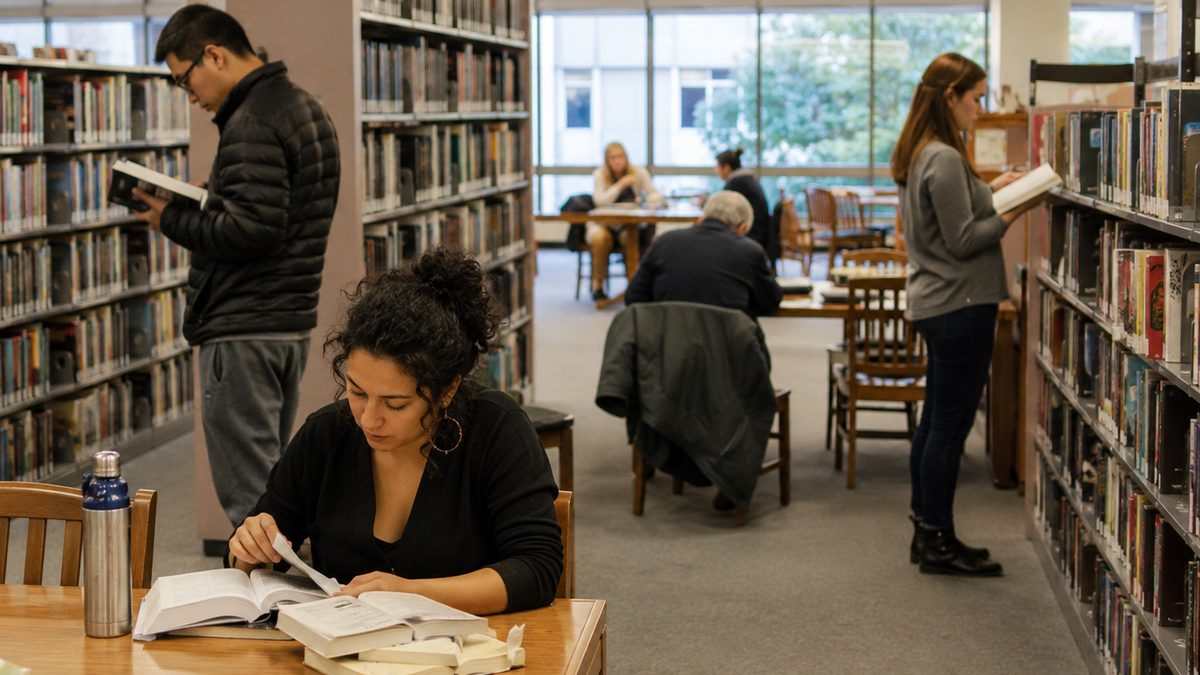
Summer Reading Programs Are Turning Libraries Into Family Gathering Places
The 2026 summer reading season is underway, giving families a low-cost way to connect books, activities, accessibility, and community routines.
Save Article
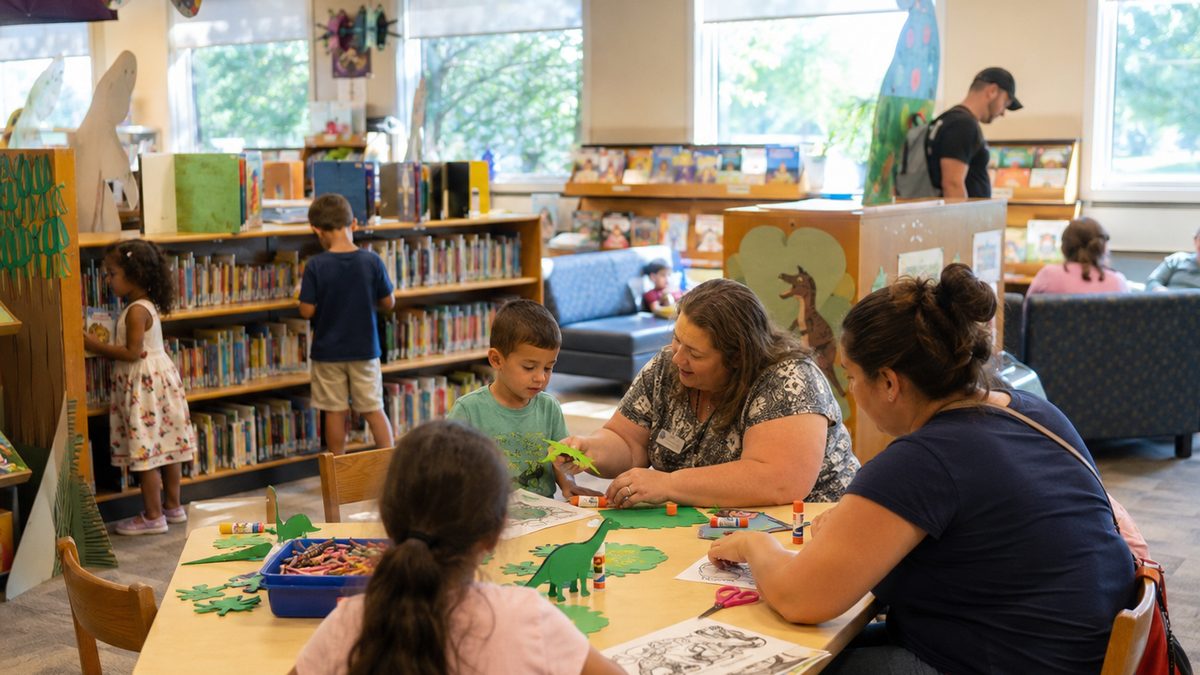
Summer reading programs give libraries a seasonal way to connect books, activities and family routines. Editorial illustration by TheDailyGlobe.
Key Facts
- The Collaborative Summer Library Program selected Unearth a Story as the 2026 summer reading theme.
- CSLP says the theme centers on discovery, dinosaurs, paleontology, archaeology, and community stories.
- The Library of Congress National Library Service lists 2026 summer reading programming tied to the theme.
- Local libraries, including Midland County Public Libraries, launched 2026 summer reading programming in early June.
- Local program details, schedules, registration rules, and resources vary by library system.
Once school is out, families often need the same few things: something affordable, something interesting, something that gets kids out of the house, and something that does not require turning every summer day into a paid outing.
That is where summer reading programs still have a quiet advantage. For many families, the local library is not just a place to check out books. It is a place to find activities, meet other families, keep a routine, and give children and teens a reason to stay connected to reading when classrooms pause.
The 2026 summer reading season is now underway in many communities, with the Collaborative Summer Library Program using the theme Unearth a Story. The theme centers on discovery, dinosaurs, paleontology, archaeology, and community stories, giving libraries a flexible way to connect books with hands-on programs and local history.
Why Libraries Matter More in Summer
Summer can be freeing for children, but it can also be uneven for families. Some households have camps, travel, and structured activities. Others are trying to stretch a budget, work around changing schedules, or keep children occupied without spending money every day.
Public libraries fit into that gap because they are familiar, local, and usually free or low-cost. A summer reading program can give a child a goal, a parent a calendar, a teen a reason to visit, and an older adult a way to stay connected to the community.
The value is not only the reading log. Libraries often build summer programs around story times, crafts, science activities, performances, book clubs, teen events, prize systems, and family programs. The exact mix depends on the library, its staff, its budget, and its community.
What the 2026 Theme Adds
Unearth a Story gives libraries a broad theme to work with. Dinosaurs and paleontology can pull in young readers who like fossils, bones, and big creatures. Archaeology can connect to history and discovery. Community stories can help libraries point readers toward local history, family memories, and the idea that stories are not only found in novels.
That flexibility matters because libraries serve different audiences. A small-town library, a suburban branch, a large city system, and a library serving blind or print-disabled patrons may all use the same theme differently.
The Library of Congress National Library Service lists 2026 summer reading programming tied to the theme, adding an accessibility context that is easy to miss. Summer reading is not only about children walking into a branch and picking from a shelf. For blind and print-disabled readers, accessible formats and specialized services can be part of the same seasonal reading culture.
Local Programs Will Not All Look the Same
Midland County Public Libraries in Texas offer one example of how the national theme can become a local program. Local reporting said the system planned to launch its 2026 Summer Reading Program on June 1.
That example shows the theme moving from national planning materials into real community calendars. But it should not be treated as proof that every library is doing the same thing. Local programming varies widely. Some libraries may have large event schedules, while others may focus on reading challenges, take-home activities, or smaller weekly programs.
Participation levels are also not yet confirmed nationally for 2026. Claims about how much summer reading improves academic outcomes should be handled carefully unless tied to specific research. The clearer point is simpler: libraries are offering families and readers a practical place to go during the summer.
What Families Can Check Now
The most useful step for readers is to check a local library calendar. Families should look for registration dates, age groups, teen programs, adult reading challenges, accessibility options, prize rules, special events, and whether programs require sign-up.
Parents and grandparents may also want to ask whether events are drop-in or registration-only. Some programs fill quickly. Others are casual and open to anyone who shows up. For families with transportation, disability, language, sensory, or schedule needs, calling ahead can save frustration.
Adults should not assume summer reading is only for young children. Many libraries include teen and adult reading challenges, book discussions, digital resources, audiobook options, and events built around the same seasonal theme.
What Remains Unclear
Several questions will become clearer as summer continues. It is not yet clear how many library systems nationwide are using the 2026 theme in public programming, how participation compares with prior years, or how local budgets and staffing are affecting what libraries can offer.
Those limits matter because libraries are community institutions, not identical storefronts. A strong program in one city does not mean every branch has the same staff, space, funding, or hours.
What to Watch Next
For families, the next step is local, not national. Check the nearest library system's website, calendar, newsletter, social media pages, or front desk for summer reading details. Look for accessibility options, audio and digital materials, registration deadlines, and events tied to different age groups.
The bigger cultural point is easy to overlook because it is not flashy. Summer reading programs turn libraries into useful gathering places at a time when families need low-cost structure and shared public spaces. A child may show up for dinosaurs, crafts, or a prize. The better outcome is that the library becomes part of the family's summer rhythm.
Reporting note: Reporting draws on Collaborative Summer Library Program materials, Library of Congress National Library Service resources, local library reporting, and reviewed background materials. This article was produced with AI-assisted research and reviewed by an editor before publication.