A Library Card Can Still Save Households Real Money
Public libraries now offer far more than shelves of books, giving families free access to digital borrowing, learning tools, job resources, events and everyday services that can quietly lower monthly costs.
Save Article
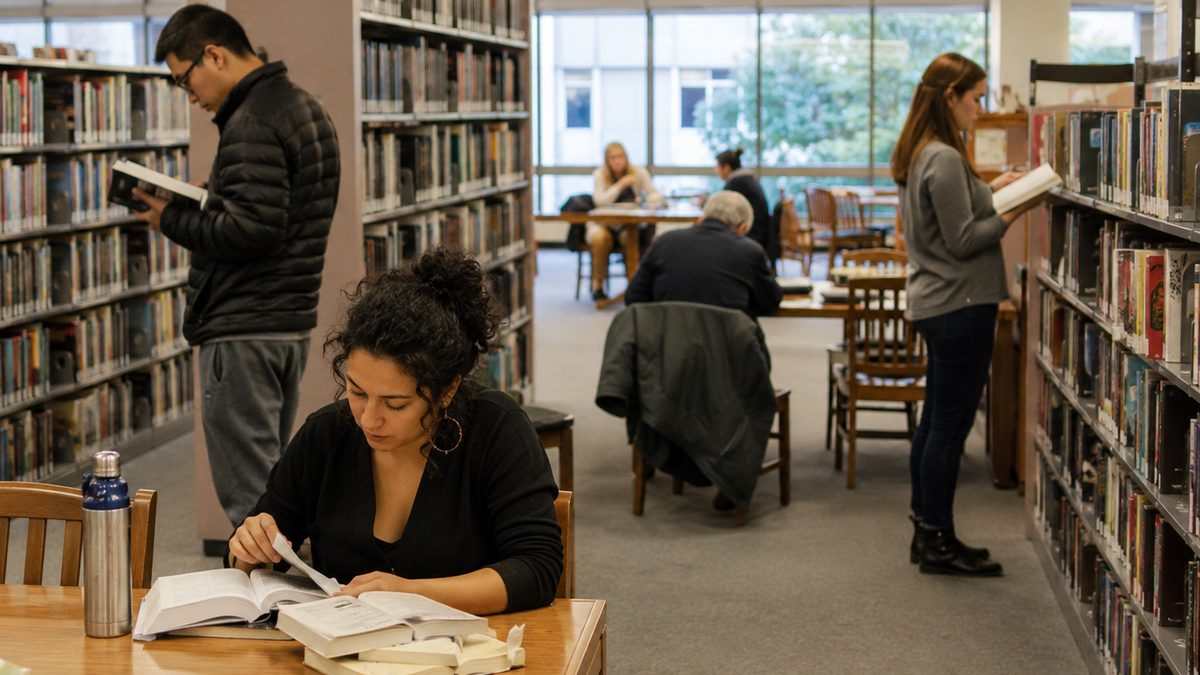
Many public libraries now offer digital borrowing, learning tools, events and practical services in addition to traditional books. Editorial illustration by TheDailyGlobe.
Key Facts
- Public libraries commonly offer physical books, ebooks, audiobooks, computers, Wi-Fi, research databases, children’s programs and community events.
- Many library systems provide digital borrowing through apps or online platforms, allowing patrons to borrow materials from home.
- Libraries often support job seekers, students, older adults, parents and small-business owners through local programs and reference services.
- Library services vary by city or county, so households should check their local branch or library website for available benefits.
A library card is easy to underestimate. For many households, it sounds like something useful mainly for checking out books or taking children to story time. But public libraries have quietly become one of the more practical money-saving tools in a community.
The savings are not flashy. They show up in small places: an ebook borrowed instead of bought, a streaming or audiobook service accessed through the library, a quiet place to work, a free class, a resume workshop, a children’s event, a study room, a printer, a research database or a program that gives families somewhere useful to go without spending money.
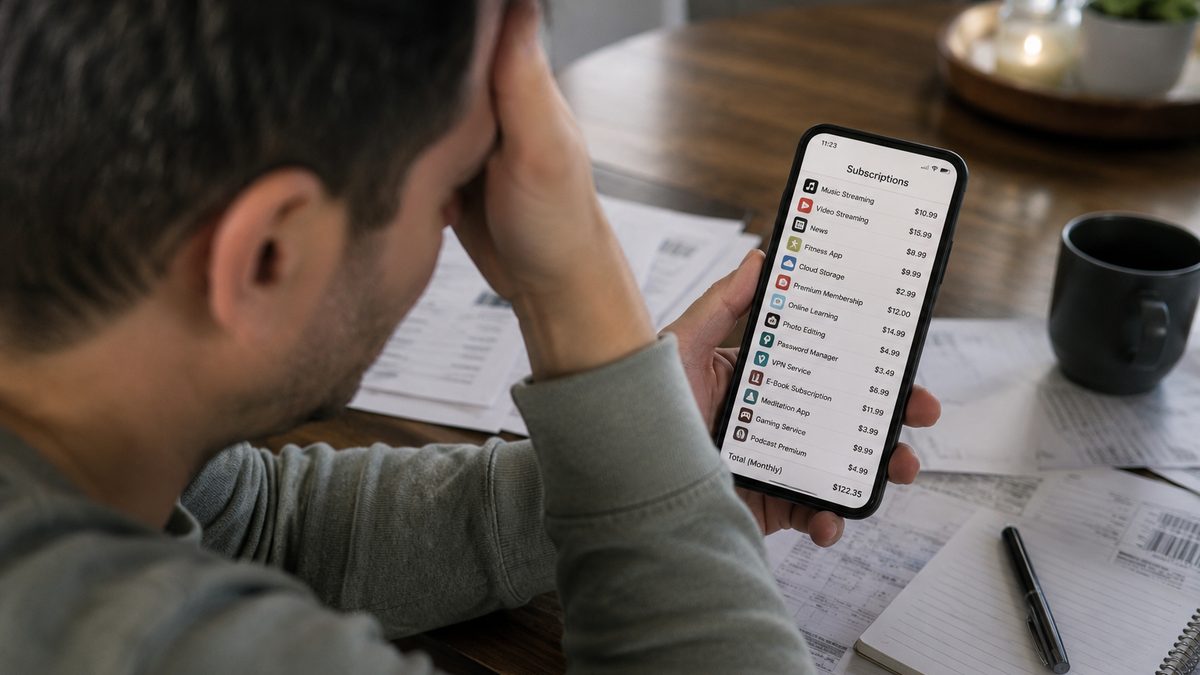
For families trying to keep a household budget under control, the library’s biggest value may be substitution. A borrowed book replaces a purchase. A free children’s event replaces a paid activity. A digital audiobook replaces a subscription trial that turns into another monthly charge. A public computer or printer can help someone handle paperwork without buying equipment they rarely use.
That does not mean a library card replaces every paid service. It does mean many households may be paying for things their local library already provides in some form. Digital collections now make that easier. Depending on the library system, patrons may be able to borrow ebooks, audiobooks, magazines, language-learning tools, test-preparation materials or research databases from a phone, tablet or computer.
The Digital Side Is Easy To Miss
The modern library is not only a building. Many systems now offer a digital front door where cardholders can search the catalog, place holds, renew materials, borrow digital books and access online resources. That matters for busy families, people with limited transportation and workers who cannot easily visit during branch hours.
Digital borrowing also changes the value of a library card for people who do not think of themselves as regular library visitors. Someone who rarely walks into a branch may still use the library every week through audiobooks during a commute, ebooks before bed, homework tools for a student or online reference materials for a project.
There can be waitlists for popular digital titles, and every library system has its own rules. Still, the basic idea is useful: before buying a book, subscribing to another content service or paying for a learning tool, it may be worth checking whether the library already offers access.
More Than Books
Libraries also serve as practical community infrastructure. Many branches provide public computers, Wi-Fi, printers, scanners, meeting rooms and help navigating information. Some offer job-search support, technology help, tax-season resources, local history collections, small-business materials, citizenship resources, teen programs and adult learning classes.
Parents may find the most immediate value in children’s programming. Story times, reading challenges, craft events, homework help and summer learning programs can give kids structured activities without requiring another paid membership or ticket. For families with multiple children, those savings can be meaningful over a year.
Older adults may use libraries for technology help, large-print materials, social programs or research assistance. Students may use them for study space, databases and tutoring resources. Job seekers may use them for resumes, applications and computer access. A single building can serve very different needs across the same community.
How To Get More Value From A Card
The best way to use a library card is to treat it like a household tool, not just a backup plan. Start with the library website and look for digital resources, event calendars, borrowing apps, room reservations, research databases and specialty services. Some libraries lend more than books, including items such as museum passes, tools, seeds, hotspots or equipment, though availability varies widely by location.
It also helps to ask a librarian directly. Library websites can be dense, and some of the most useful services are not obvious from the homepage. A short conversation at the desk or by phone can uncover benefits a household did not know existed.
The larger point is simple: a library card is one of the few everyday resources that can reduce spending without requiring a major lifestyle change. It does not ask families to give up entertainment, learning or convenience. It gives them another place to look before paying for something.
In a household budget, small substitutions matter. A few borrowed books, a free event, a digital magazine, a quiet work space or a free class may not feel dramatic on its own. Over time, those choices can turn a library card into something more practical than nostalgic.
Reporting note: Reporting draws on public library service materials, Institute of Museum and Library Services background resources, American Library Association materials, local library program examples, and reviewed consumer background information. This article was produced with AI-assisted research and reviewed by an editor before publication.