Carlo Petrini Made Slow Food a Global Argument About Modern Life
The founder of Slow Food turned a protest against fast-food culture into a worldwide debate about food, place, speed, and sustainability.
Save Article

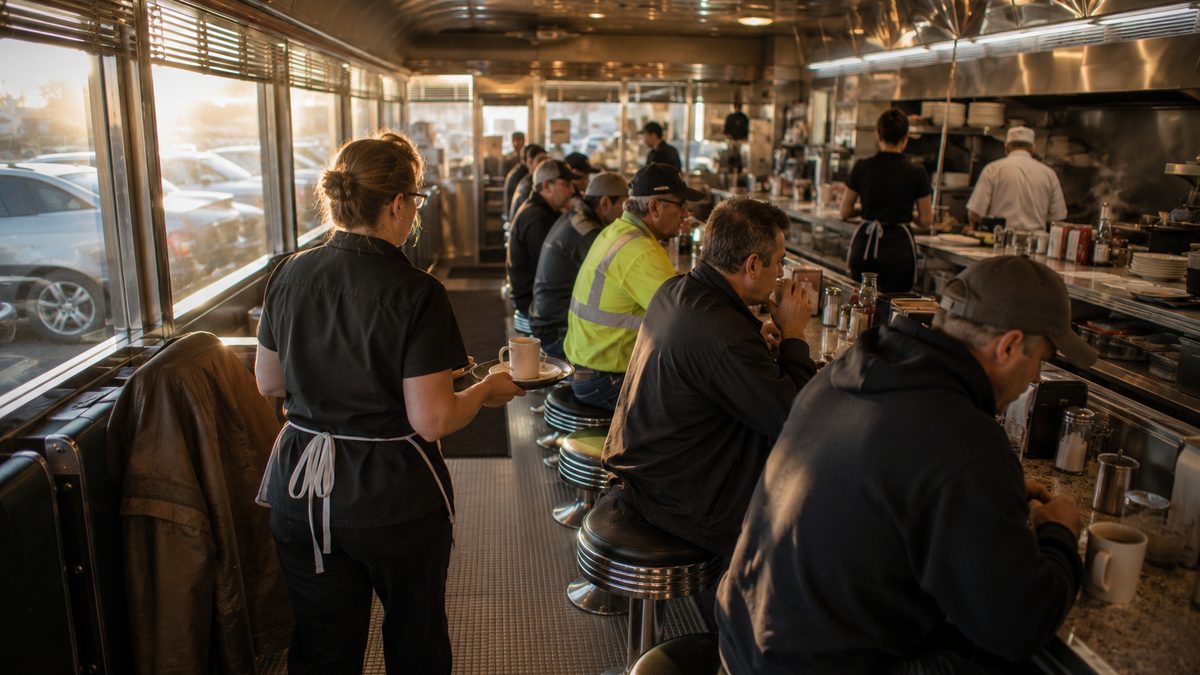
Editorial illustration by TheDailyGlobe.
Carlo Petrini, the Italian founder of the Slow Food movement, turned a protest against fast-food culture into a lasting argument about how modern life should taste, move, and connect people to place.
Petrini died at age 76, according to obituary reporting and Slow Food-linked institutional statements. He was best known for founding a movement that began in the 1980s as a response to fast-food culture and grew into an international network focused on local food, sustainability, food traditions, and the idea of food that is good, clean, and fair.
More Than a Food Trend
Slow Food began with a simple objection: that speed and convenience were changing not only what people ate, but how communities understood food. Petrini’s answer was not just to defend long meals or traditional recipes. It was to argue that food carried culture, labor, land, memory, and responsibility.
That made Slow Food bigger than a lifestyle label. The movement asked people to think about where food comes from, who produces it, what gets lost when local food traditions disappear, and whether cheaper and faster always means better.
Why His Work Still Matters
Petrini’s influence can be seen in conversations that are now common: farmers markets, local sourcing, sustainable agriculture, food biodiversity, school meals, restaurant ethics, and the pressure that convenience puts on small producers. Not everyone uses the language of Slow Food, but many people now live inside the debate it helped push forward.
The movement’s phrase, good, clean and fair, captured Petrini’s broader point. Food should be enjoyable, but also made in ways that respect the environment and the people who produce it. That idea gave Slow Food a moral dimension without making food only about rules or restraint.
What Remains Unclear
Some personal details around Petrini’s final illness and death should be handled carefully and attributed to family, organizational, or established obituary reporting if expanded. For this brief account, the clearest public significance is his role in building a movement that changed how people talk about food and modern convenience.
Petrini’s legacy is not that fast food disappeared. It did not. His legacy is that millions of people were given a different question to ask before eating: not only what is quickest, but what is worth preserving.
Reporting note: Reporting draws on obituary reporting, official Slow Food materials, institutional background, and reviewed context about the Slow Food movement. This article was produced with AI-assisted research and reviewed by an editor before publication.