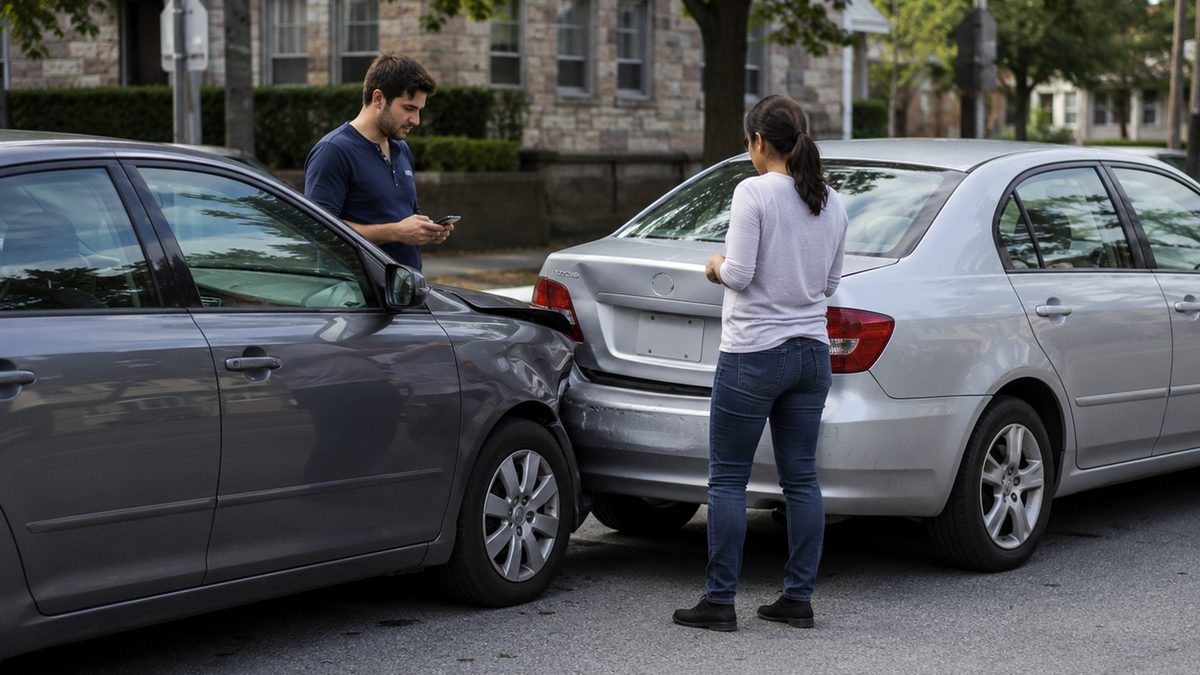
Car Dealers Face Renewed Pressure Over Advertised Prices and Mandatory Fees
The FTC warned 97 auto dealership groups that advertised prices should include mandatory fees, keeping pricing transparency in focus for car buyers.
Save Article
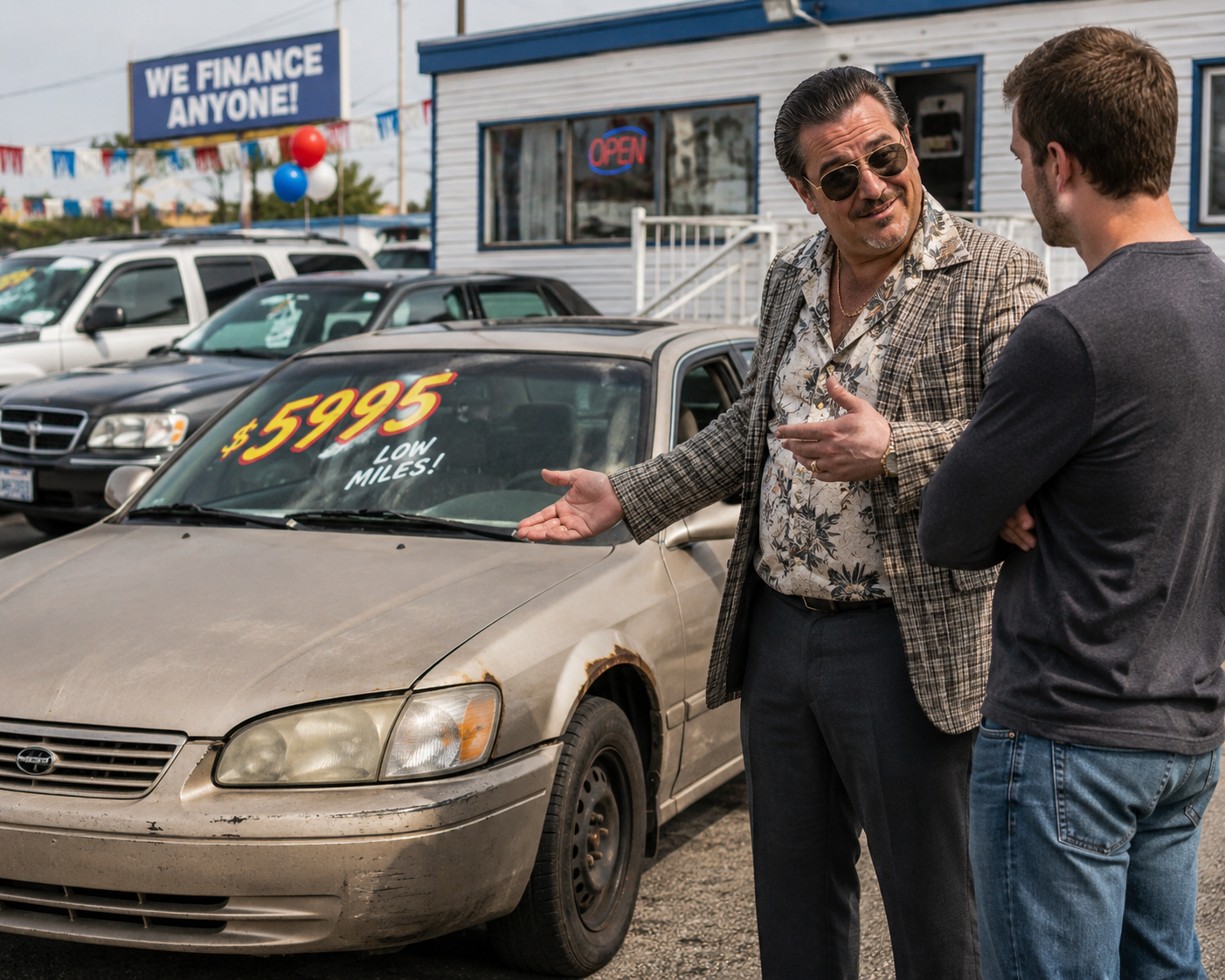
Federal regulators have renewed attention on whether car buyers see the true required price before reaching the dealership desk. Editorial illustration by TheDailyGlobe.
A car buyer may start with one number online and end up staring at a different number across the dealership desk. That gap is where frustration begins: advertised prices can look clear until mandatory fees appear later in the process.
The Federal Trade Commission has put renewed pressure on that practice, warning 97 auto dealership groups about deceptive pricing. The agency said advertised prices should include all mandatory fees consumers must pay.
What the FTC Warned
The FTC action was framed as warning letters, not a completed enforcement case against every dealer that received one. That distinction matters. A warning letter tells companies how the agency views certain practices, but it does not by itself prove that every recipient broke the law.
Still, the message is clear: if a fee is required to buy the car, regulators say it should be part of the advertised price. The number used to attract shoppers should not leave out required costs that appear only after a buyer has invested time in the deal.
Why Mandatory Fees Matter
For consumers, the issue is not only whether a fee exists. It is whether the buyer can compare prices honestly before showing up. A lower advertised price can look better than a competitor’s price even if mandatory add-ons later erase the difference.
That matters in a market where car ownership already includes insurance, repairs, financing, fuel, registration and maintenance. A surprise fee at the dealership can make a difficult purchase harder to judge.
What Remains Unclear
It remains unclear whether the FTC will bring follow-up enforcement actions or how quickly dealership advertising will change. Kelley Blue Book reported that the warning followed the abandonment of a broader car-dealer rule effort, keeping attention on how the agency will handle pricing transparency without that rule in place.
Readers should watch for FTC follow-up actions and changes in dealership advertising. The practical question is simple: when buyers compare cars, will the advertised number match the required price closely enough to make comparison shopping fair?
Reporting note: Reporting draws on Federal Trade Commission materials, auto-pricing reporting, business reporting, and reviewed background materials. This article was produced with AI-assisted research and reviewed by an editor before publication.