SpaceX's Market Debut Opens a New Chapter for Investors and the Space Industry
SpaceX began public trading on June 12, giving public investors access to one of the world's most closely watched private companies and pushing Elon Musk's estimated wealth above the trillion-dollar mark.
Save Article
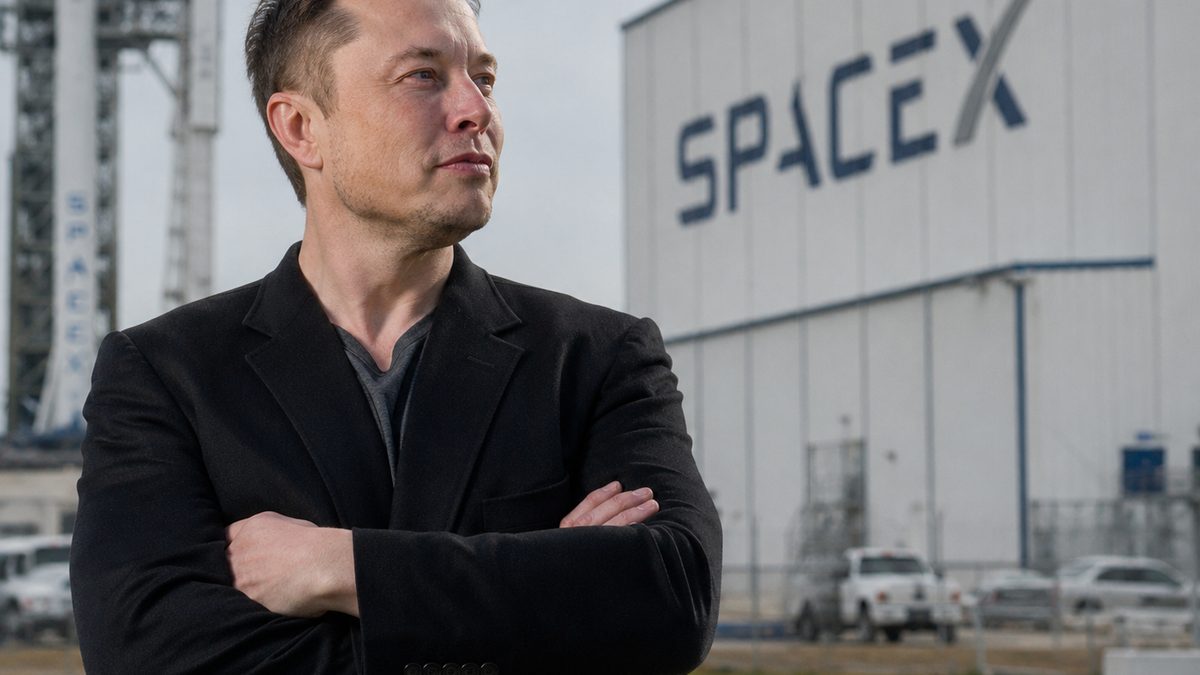
SpaceX's public-market debut turned a private space company into one of the most closely watched stocks on Wall Street. Editorial illustration by TheDailyGlobe.
Key Facts
- SpaceX began public trading on June 12, 2026.
- Associated Press reported the offering was expected to be the largest IPO in history.
- Shares rose more than 19% after opening for trading.
- Associated Press reported the debut made Elon Musk the world's first trillionaire based on valuation estimates.
- The Guardian reported SpaceX finished the day with an approximate valuation of $2.1 trillion.
For years, SpaceX was one of the world's most valuable private companies, discussed by investors, space enthusiasts and government contractors but largely unavailable to ordinary market participants. That changed Friday when the company began trading publicly on Wall Street.
The debut immediately became one of the biggest market stories of the year. Shares rose more than 19% after opening, according to Associated Press reporting, helping push SpaceX's valuation into territory rarely seen in corporate history and making Elon Musk the world's first trillionaire based on estimates tied to the company's market value.
The wealth milestone drew headlines, but the larger business story is that SpaceX is no longer just a private company watched from the sidelines. Its successes, setbacks, financial results and future plans now carry direct implications for public markets and investors.
Why This Listing Matters Beyond Wall Street
SpaceX occupies a unique position in the American economy. The company operates launch services, satellite infrastructure and communications systems that reach far beyond the traditional aerospace sector. Its Starlink satellite network has become one of the company's most visible businesses, while its launch operations remain closely connected to both commercial and government customers.
Public trading means investors now have direct exposure to a company that sits at the intersection of space transportation, communications infrastructure and emerging technology ambitions. In practical terms, SpaceX joins a relatively small group of companies whose size and influence can affect broader market indexes, institutional portfolios and retirement investments.
That does not mean every retirement account immediately owns SpaceX shares. However, large public companies often become more widely represented across investment products over time, increasing their visibility throughout the financial system.
What Investors Are Betting On
The first day of trading reflected strong confidence from investors, but that confidence is based largely on expectations about the future rather than current financial certainty.
According to AP reporting, investors have been willing to look past company losses while focusing on potential future opportunities tied to satellites, orbital data centers, artificial intelligence applications and continued growth in launch services. Those expectations help explain the company's valuation, but they remain forecasts rather than guaranteed outcomes.
The debate now facing the market is whether SpaceX can eventually generate enough revenue and profit to support the price investors were willing to pay on its first day as a public company.
Questions That Remain Unanswered
The excitement surrounding the IPO does not eliminate the uncertainties that come with a company of this size and ambition. Public investors now have a clearer path to owning shares, but they also inherit the risks associated with a business operating in capital-intensive industries where future growth assumptions play a major role in valuation.
It remains unclear how quickly SpaceX can justify its market value through earnings and long-term financial performance. Questions also remain about future corporate governance, the degree of control Musk will retain and how public reporting requirements may change scrutiny of the company.
Another open question is whether the debut ultimately becomes a lasting market milestone or a reflection of investor enthusiasm for large technology-focused companies during this period.
What Comes Next
The first day of trading provided a snapshot of investor enthusiasm. The more difficult test begins now.
Future quarterly disclosures, revenue growth, profitability trends, Starlink performance, government-contract activity and broader market conditions will help determine whether the company's valuation can be sustained over time. Investors will also watch whether SpaceX becomes more deeply integrated into major market indexes and institutional portfolios.
For now, the most important change is simple: one of the world's most influential private companies has entered the public market. Musk's trillionaire milestone may dominate early headlines, but the longer-term story is likely to be about whether SpaceX can meet the expectations now attached to a company valued at more than $2 trillion.
Reporting note: Reporting draws on Associated Press reporting, market coverage, financial reporting, company valuation context, and reviewed background materials. This article was produced with AI-assisted research and reviewed by an editor before publication.