Buy-Now-Pay-Later Moves Into Gas and Groceries
Pay-over-time tools are moving further into everyday spending, raising new questions about cash flow, debt and household pressure.
Save Article
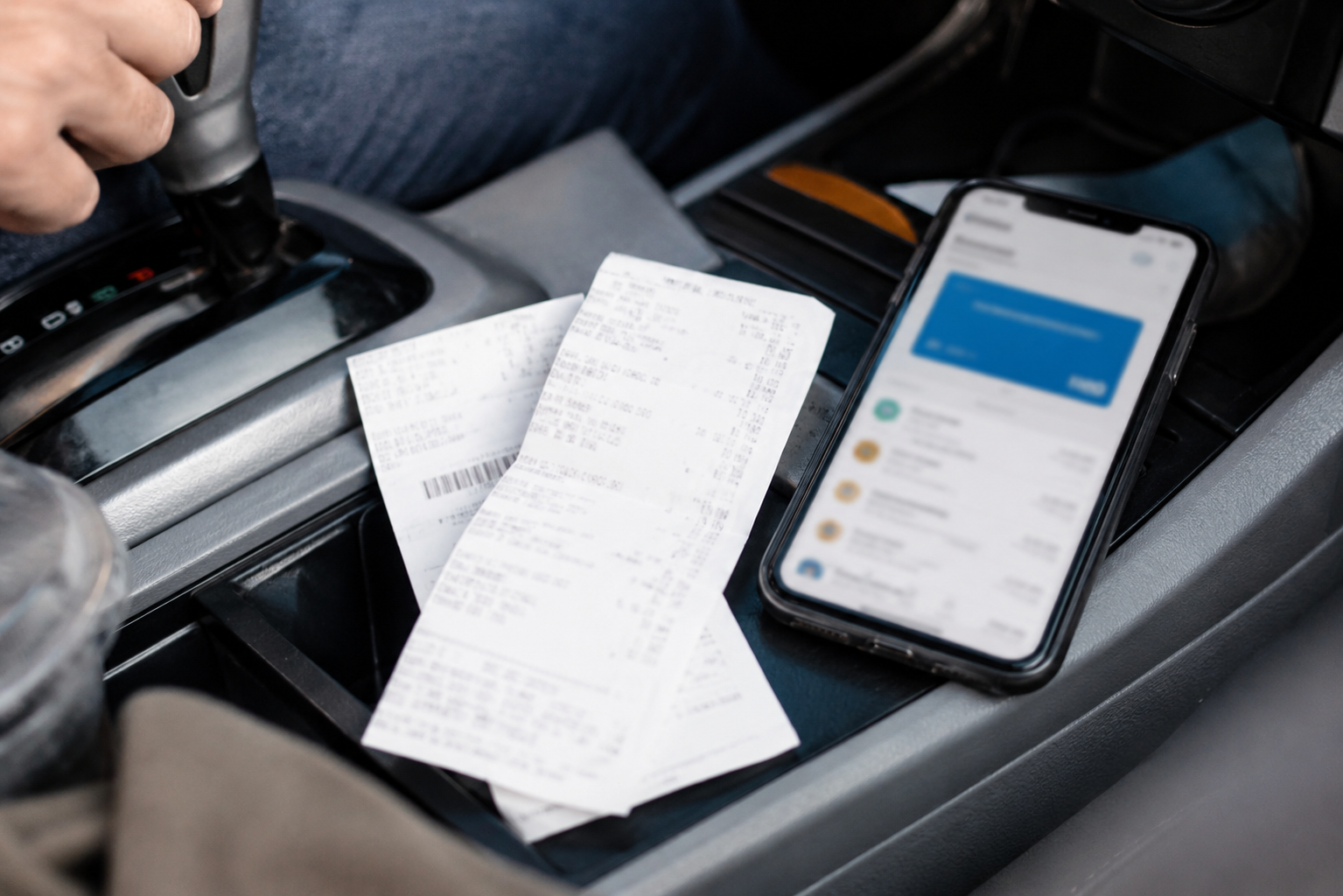
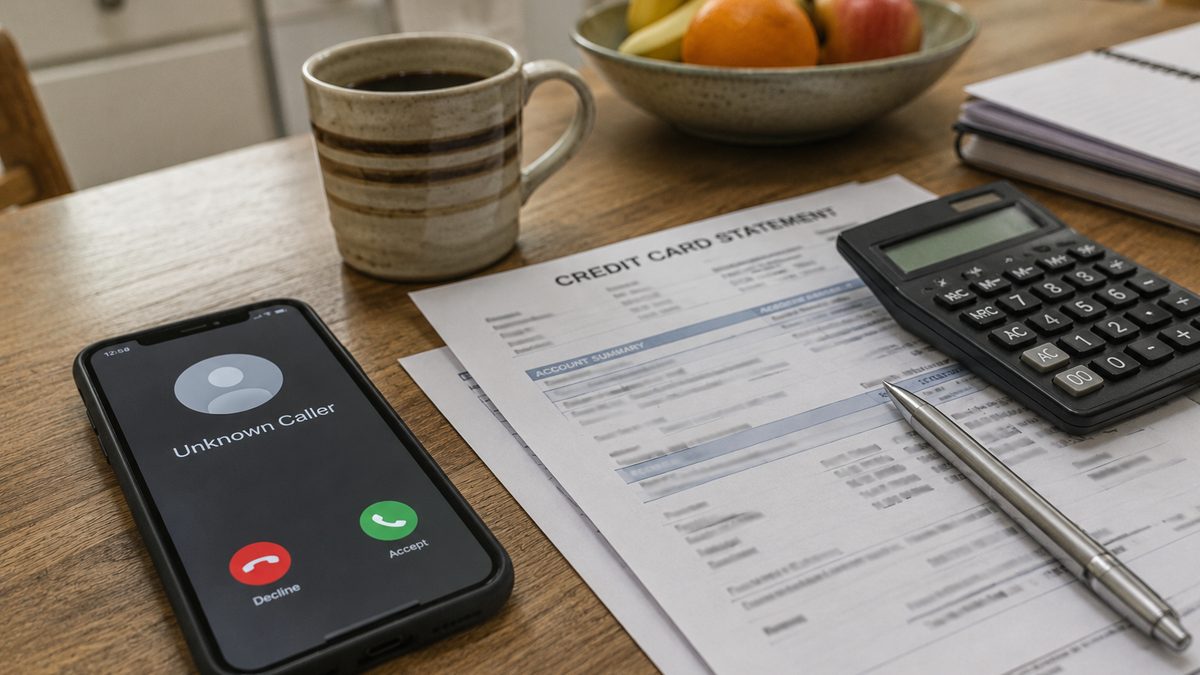
Buy-now-pay-later tools are increasingly moving from occasional purchases into everyday spending categories such as gas and groceries. Editorial illustration by TheDailyGlobe.
Key Facts
- MarketWatch reported that some consumers are using Afterpay and Cash App pay-over-time features for gas and groceries.
- Cash App announced an Afterpay pay-over-time pilot for purchases where Visa is accepted.
- The Federal Reserve Bank of Richmond said BNPL transaction value has grown rapidly in recent years.
- LendingTree reported that 47% of BNPL users surveyed said they paid late on a BNPL loan in the past year.
- The CFPB has described BNPL as a popular financing choice with consumers.
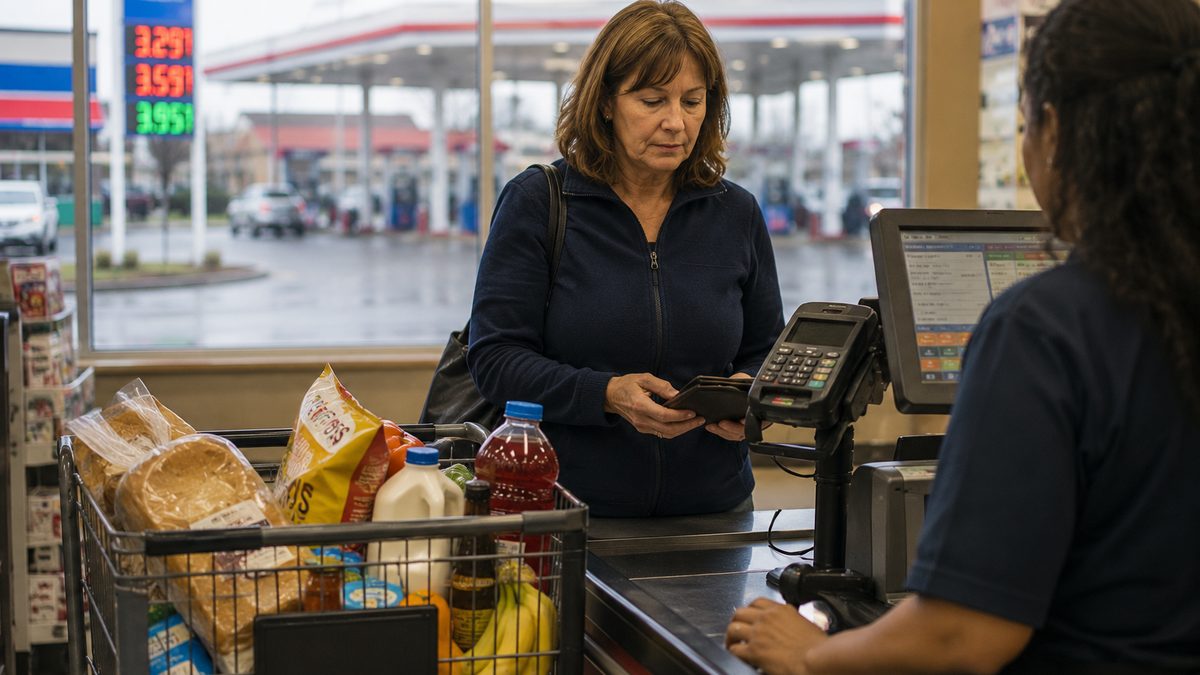
A person standing at the gas pump or checking out at the grocery store may not be buying anything unusual.
The purchase may be fuel to get to work, milk for the week, a bag of pet food or a few items needed before payday. What is changing is not only what people are buying. It is how some of those purchases are being paid for.
Buy-now-pay-later tools, once associated mostly with online shopping and discretionary purchases, are moving further into everyday spending categories such as gas and groceries. That shift says less about shopping novelty and more about the pressure inside some household budgets.
Why Essentials Change the Conversation
Splitting up the cost of a couch, a phone or a holiday gift is one kind of financial decision. Splitting up gas or groceries is different.
That does not mean every person using buy-now-pay-later for essentials is in trouble. Timing matters. A short-term payment plan may help someone manage a gap between bills and payday. It may also give a household more flexibility when several expenses hit at once.
But essentials do not disappear after one purchase. Groceries come back next week. Gas runs low again. Pet food, diapers, school lunches and cleaning supplies keep returning to the list. When pay-over-time tools move into those categories, the risk is that yesterday's purchase can overlap with tomorrow's need.
How the Tools Are Expanding
Cash App announced an Afterpay pay-over-time pilot for purchases where Visa is accepted, with availability limited to eligible users. That kind of product design helps explain how buy-now-pay-later can move beyond the online checkout buttons where many shoppers first encountered it.
MarketWatch reported that some consumers are using Afterpay and Cash App features for gas and groceries. The important word is some. The available reporting does not show that all consumers are doing this, or that every user is relying on the tools for the same reason.
The broader category has grown. The Federal Reserve Bank of Richmond said buy-now-pay-later transaction value has grown rapidly in recent years, while noting that BNPL remains smaller than credit cards overall.
The Appeal and the Risk
The appeal is easy to understand. A smaller payment today may feel more manageable than one larger charge, especially when prices are high and cash is tight.
That flexibility can be useful. It can also become harder to track when several payment plans are open at once. A grocery trip, gas fill-up and household supply run may each feel manageable separately, but together they can create a string of future payments.
LendingTree reported that 47% of BNPL users in its survey said they paid late on a BNPL loan in the past year. That is survey data, not the same thing as administrative default data, but it does point to a real consumer-risk question: whether the payment plans stay manageable once they stack up.
The CFPB has described BNPL as a popular financing choice with consumers. Its market report also places the product inside a larger consumer-finance system where transparency, repayment and credit treatment matter.
What Remains Unclear
It is not yet clear whether using buy-now-pay-later for essentials will become a lasting household pattern or remain a smaller part of the market.
It is also unclear how many consumers use the tools because of short-term cash timing versus deeper financial strain. Those are different situations. A person smoothing out a one-week gap is not in the same position as someone repeatedly borrowing against future paychecks for basic needs.
Regulators and credit bureaus are another open question. How BNPL data is treated over time could affect how visible these debts become in credit files and how lenders, consumers and watchdogs understand repayment behavior.
What Readers Should Watch
Readers should watch late-payment trends, credit-reporting changes, CFPB and FTC actions, and whether major payment apps keep expanding pay-over-time options into everyday purchases.
Households should also watch the practical math: how many payment plans are open, when each payment comes due, whether fees apply, and whether the tool is solving a timing problem or masking a budget problem.
Buy-now-pay-later is not automatically harmful, and it is not automatically helpful. The move into gas and groceries simply makes the stakes clearer. When short-term credit becomes part of ordinary essentials, the real question is not whether the app makes payment easier today. It is whether tomorrow's budget can absorb the payments left behind.
Reporting note: Reporting draws on established consumer finance reporting, company materials, Federal Reserve analysis, consumer survey data, CFPB materials, and reviewed background materials. This article was produced with AI-assisted research and reviewed by an editor before publication.