Credit Card Interest-Rate Scam Warnings Show How Debt Pressure Is Being Exploited
Federal regulators are warning consumers that unsolicited offers promising lower credit card interest rates may be scams designed to take advantage of households already feeling financial pressure.
Save Article

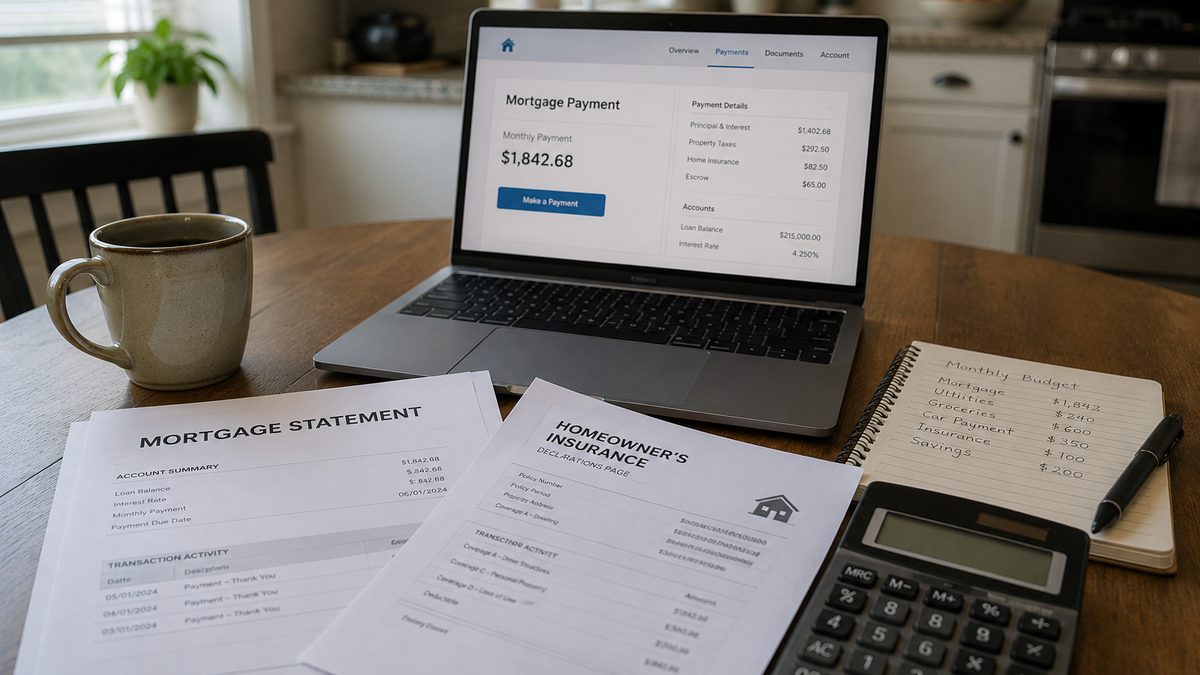
Scammers often use debt pressure to make promises of quick savings sound more believable. Editorial illustration by TheDailyGlobe.
Key Facts
- The FTC warned that unexpected calls offering to lower credit card interest rates are likely scams.
- The agency said scammers may promise shortcuts or special programs that do not exist.
- The warning was published in an FTC consumer alert on April 22, 2026.
- Forbes Advisor reported on the FTC warning in May 2026.
- The FTC's warning focuses on unsolicited offers rather than legitimate communication initiated by consumers.
For households carrying credit card balances, a phone call promising lower interest rates can sound like welcome news. A few percentage points off a monthly bill may seem like an easy way to create breathing room in a budget already stretched by everyday expenses.
That is exactly why federal regulators are warning consumers to be cautious. The Federal Trade Commission recently said that unexpected calls offering to lower credit card interest rates are likely scams, with callers often promising shortcuts or special programs that do not actually exist.
Why Debt Pressure Creates Opportunity For Scammers
The warning arrives at a time when many households continue to pay close attention to debt, monthly bills, and interest costs. When money feels tight, promises of quick savings can become more persuasive.
Scammers often rely on that reality. Instead of selling a product people actively want, they position themselves as offering relief from a financial problem. The pitch can sound practical because it targets a real concern that many consumers already have.
The FTC's message is not that lowering interest costs is impossible. Rather, the agency warns that unsolicited callers claiming they can quickly reduce rates through special programs or insider arrangements may be using a familiar scam tactic.
What The FTC Is Actually Warning About
The agency's alert focuses on unexpected contact. According to the FTC, consumers should be skeptical when someone reaches out without being asked and immediately offers a solution to a financial problem.
Scam operations often create a sense of urgency, implying that consumers must act quickly to qualify for savings. Others may suggest they have access to programs unavailable through normal channels. The FTC said consumers should be cautious about these claims because scammers frequently promise benefits they cannot deliver.
The warning does not identify a single company or operation. Instead, it highlights a pattern regulators say consumers should recognize when evaluating unsolicited offers.
What We Do Not Know About The Current Wave
One unanswered question is how widespread this particular scam pattern currently is. The FTC warning confirms concern about the tactic, but the available information does not establish how many consumers have recently encountered these offers or how complaint levels compare with previous years.
It is also unclear whether scammers are changing their scripts, targeting methods, or sources of consumer information. Fraud tactics often evolve over time, making it difficult to know exactly how campaigns are being conducted at any given moment.
Because of those uncertainties, the warning is best understood as a consumer-risk alert rather than evidence of a specific nationwide surge.
Why This Matters Beyond Credit Cards
The broader lesson extends beyond interest-rate offers. Many successful scams begin with a real problem that people want solved. Medical bills, debt, taxes, student loans, housing costs, and identity theft concerns have all been used as entry points for fraud schemes.
By connecting their pitch to an existing financial stress point, scammers can make their claims sound more believable. That is one reason regulators often focus on the warning signs surrounding an offer rather than the specific product or service being discussed.
What Consumers Should Watch Next
Future FTC consumer alerts and complaint data may provide a clearer picture of whether this scam pattern is expanding or changing. Consumer advocates and financial regulators will also continue tracking how fraud schemes adapt to economic conditions and household financial pressures.
For now, the FTC's message is straightforward. A promise of lower credit card interest rates may sound helpful, but when the offer arrives unexpectedly from an unknown caller, regulators say that should be treated as a warning sign rather than an opportunity.
Reporting note: Reporting draws on Federal Trade Commission consumer alerts, consumer reporting, public records, and reviewed background materials. This article was produced with AI-assisted research and reviewed by an editor before publication.