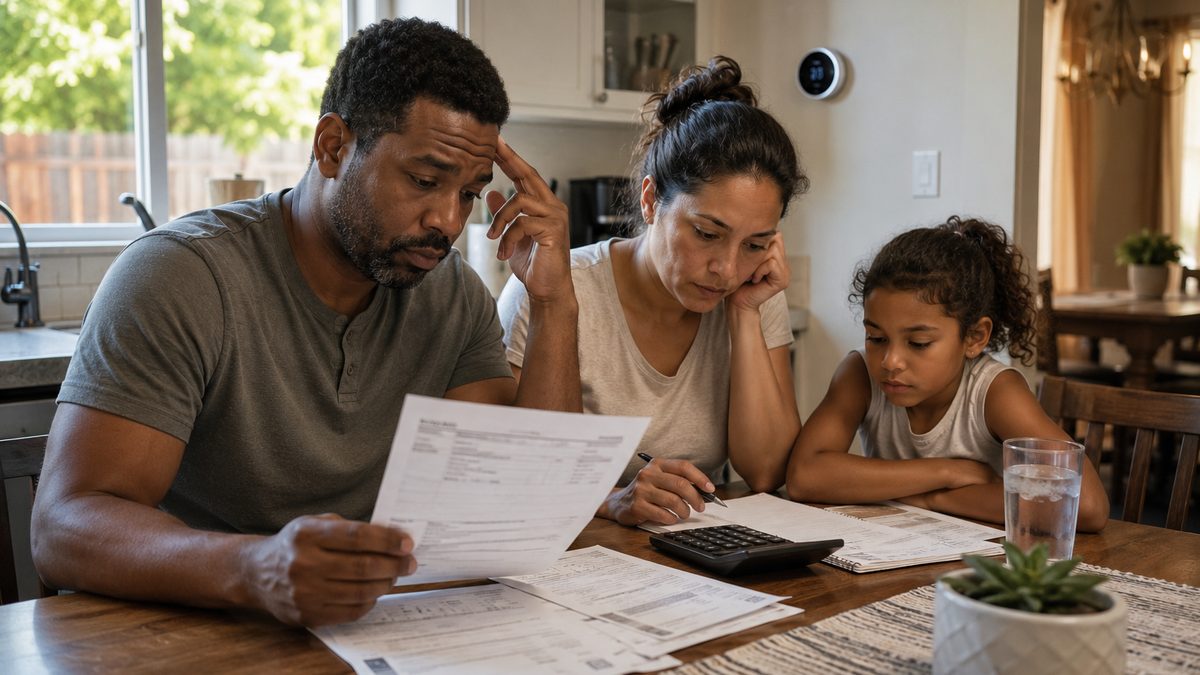
Shoppers Change Habits as Gas and Living Costs Rise
Retailers say many shoppers are becoming more selective about where and how they spend as fuel and household costs continue to pressure budgets.
Save Article
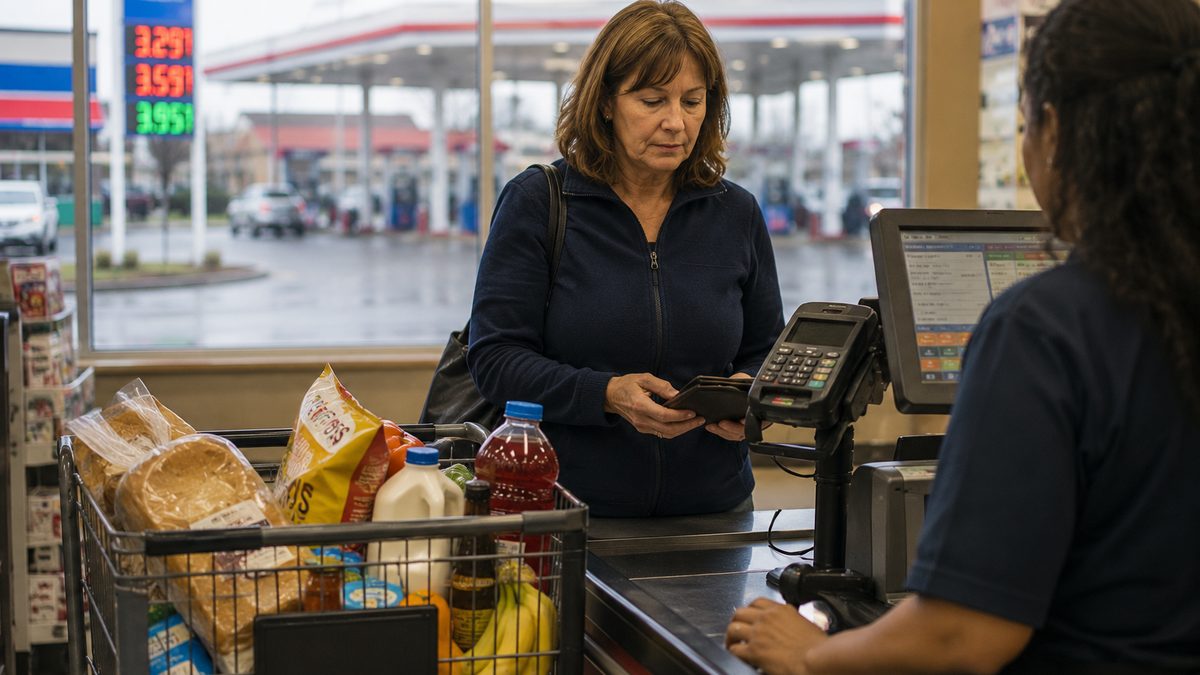
Shoppers are making more careful choices as gas prices and household costs shape retail spending. Editorial illustration by TheDailyGlobe.
Key Facts
- Associated Press reported that some retailers are seeing customers change spending habits as gas and living costs remain elevated.
- Associated Press reported that consumers are making more value-focused purchasing decisions.
- Deloitte's 2026 retail outlook described shoppers as increasingly cost-conscious and value-focused.
- Retail observations cited in reporting suggest households are paying closer attention to discretionary spending.
- Available reporting does not establish that all retailers or all consumers are experiencing the same behavior.
For many households, cutting back rarely starts with a major purchase. It often begins with smaller decisions: putting a little less gas in the tank, skipping an extra item at checkout, delaying a restaurant visit, or searching harder for discounts before buying.
Retailers across the country say they are seeing more of those choices. Recent reporting and industry analysis suggest many consumers are becoming increasingly focused on value as fuel costs and everyday living expenses continue to compete for room in household budgets.
The shift does not necessarily mean consumers have stopped spending. Instead, many appear to be spending more selectively, a trend that can affect retailers, restaurants, service businesses, workers, and local economies.
What Retailers Are Noticing
According to Associated Press reporting, some retailers are reporting signs that shoppers are becoming more deliberate with their spending. Rather than abandoning purchases altogether, consumers appear to be weighing needs and wants more carefully.
That can show up in different ways depending on the store. Some shoppers may choose lower-priced products, wait for promotions, buy fewer nonessential items, or spread purchases over longer periods. These decisions are often small on their own but can become noticeable when repeated across millions of households.
Retail businesses pay close attention to these patterns because consumer spending remains a major driver of economic activity. Changes in shopping behavior can influence staffing decisions, inventory planning, and future investments.
Why Household Tradeoffs Matter
Most families operate with limited flexibility in their budgets. When gasoline, groceries, housing, insurance, or other recurring expenses take up a larger share of income, households often look for places to save elsewhere.
That does not mean consumers stop participating in the economy. Instead, spending can become more targeted. A family may continue taking a vacation but choose a less expensive hotel. A shopper may still buy clothing but wait for a sale. Someone who regularly eats out may reduce the number of restaurant visits each month.
Deloitte's retail outlook described shoppers as increasingly focused on value, a theme that aligns with retailer observations cited in recent reporting. Together, those sources suggest that price sensitivity remains an important factor in purchasing decisions.
How Local Businesses Can Feel the Impact
Large national chains are not the only businesses affected by consumer caution. Local retailers, restaurants, convenience stores, contractors, and service providers can also experience shifts in customer demand when households become more selective.
For some businesses, value-conscious consumers may increase demand for lower-priced products or promotions. Other businesses may see customers delay purchases that are easier to postpone. The effect can vary widely depending on the industry and community.
Workers can feel indirect effects as well. If businesses see slower demand, they may become more cautious about hiring, scheduling, or expansion plans. However, the available reporting does not establish a broad employment impact from current retail behavior.
What Remains Unclear
One of the biggest unanswered questions is whether these spending adjustments represent a temporary response to current costs or a longer-lasting shift in consumer behavior.
The reporting reviewed for this article includes retailer observations and industry analysis, but it does not show that all consumers are cutting back in the same way. Some sectors may continue performing well even as others face softer demand.
It is also unclear which businesses stand to benefit most if value-focused shopping continues. Discount-oriented retailers may see advantages, but available reporting does not provide a definitive answer.
What Readers Should Watch Next
Upcoming retail sales reports, gasoline price trends, and earnings updates from consumer-facing businesses may provide additional clues about how households are managing spending decisions.
For now, the picture that emerges is familiar to many families. When everyday costs rise, even modest purchases receive a second look. Retailers say they are seeing more of those decisions play out in real time, offering a window into how households are balancing priorities in an environment where value matters more than ever.
Reporting note: Reporting draws on Associated Press reporting, Deloitte retail industry analysis, and reviewed background materials. This article was produced with AI-assisted research and reviewed by an editor before publication.